Everest Base Camp & Gokyo
Among the Giants
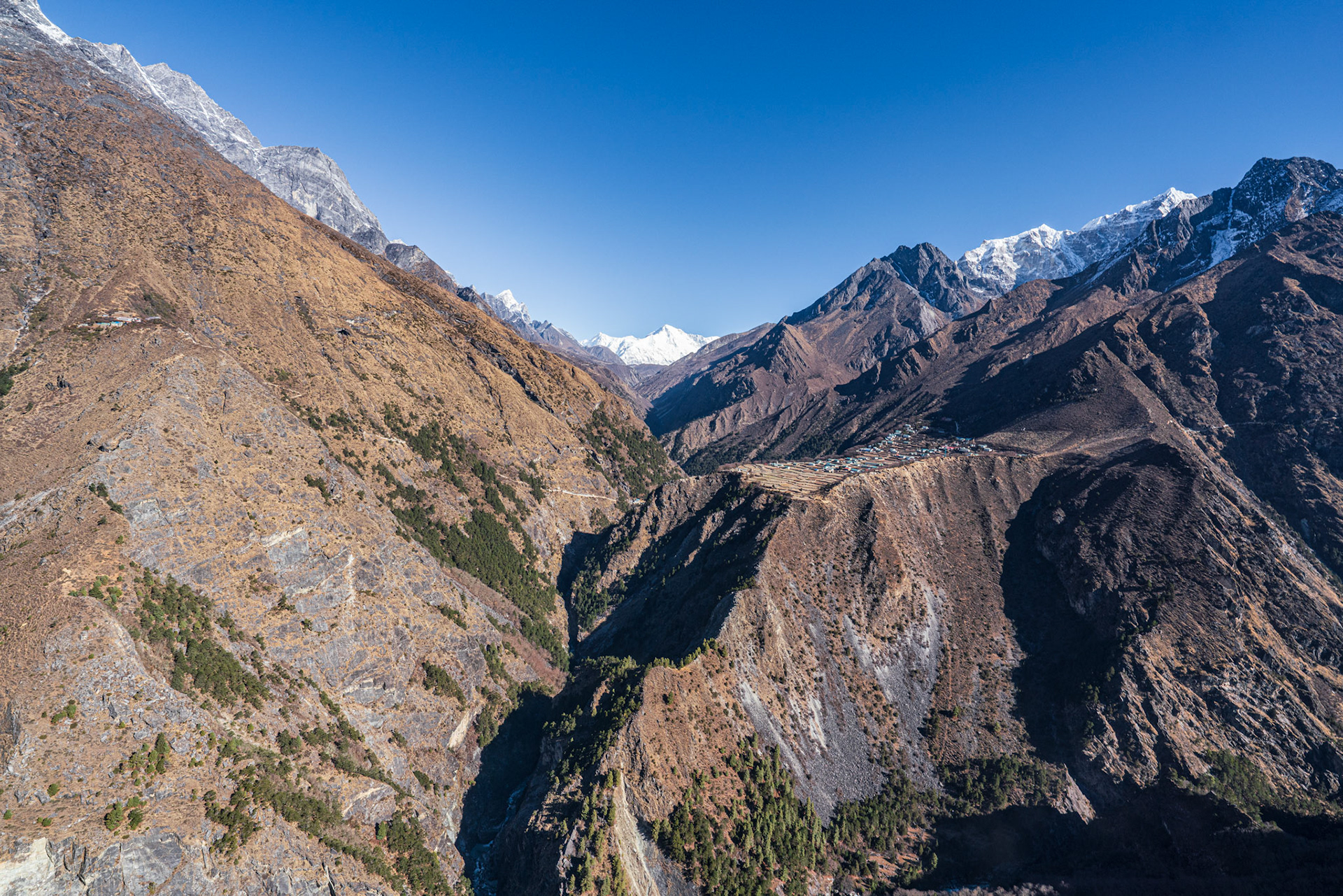
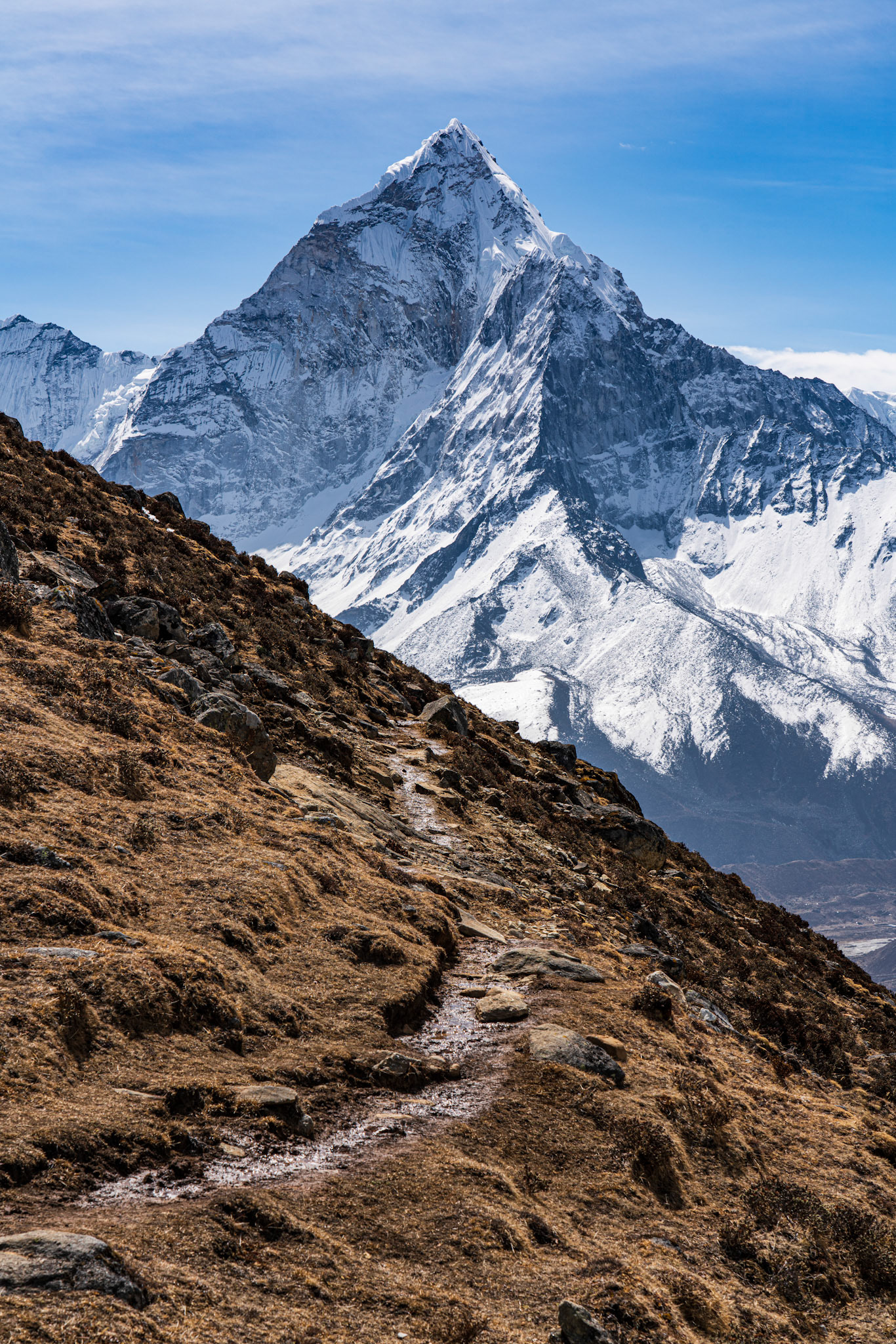
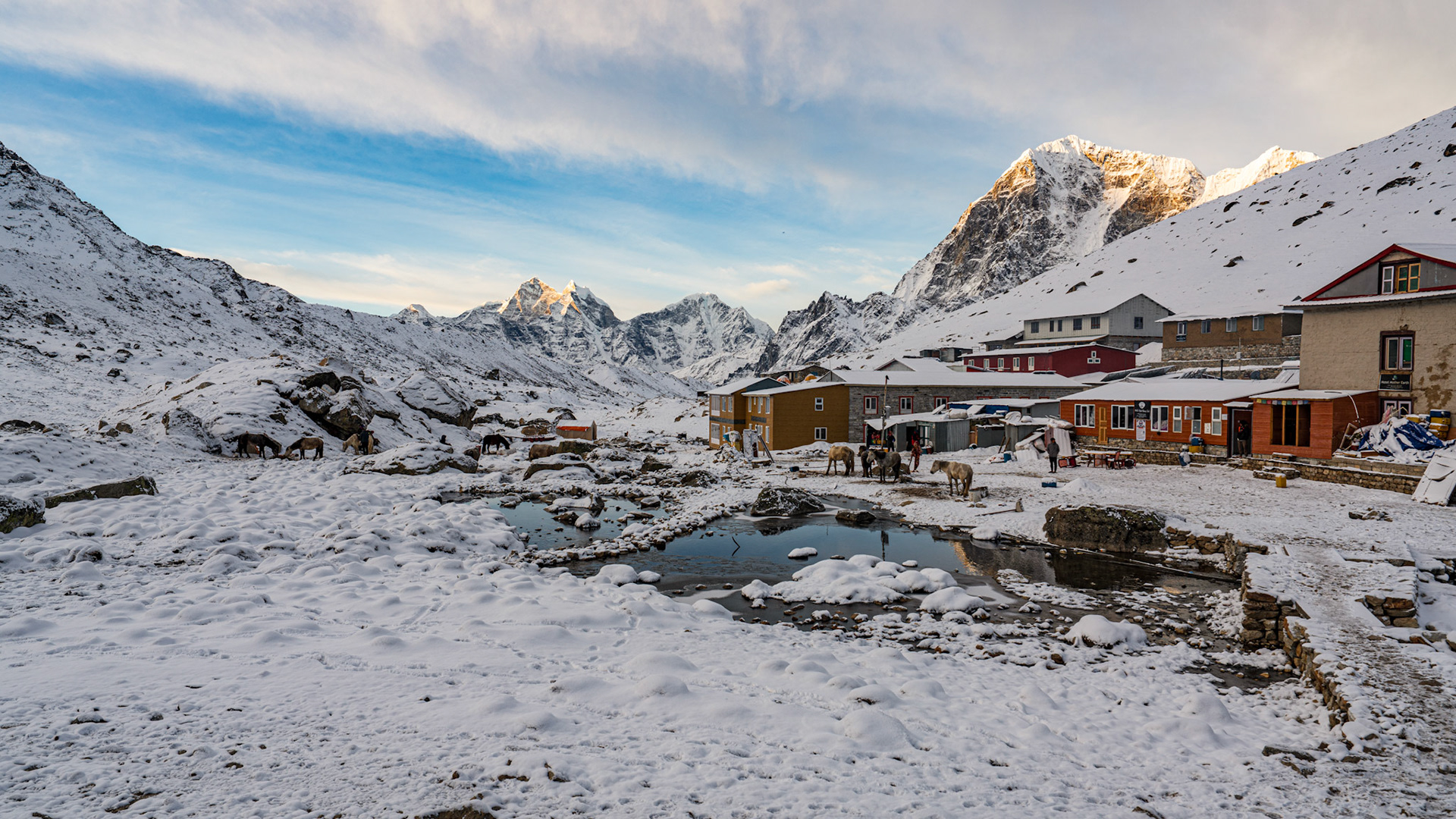
The Everest Base Camp and Gokyo route is one of Nepal’s most spectacular treks, combining the legendary path to Everest Base Camp with the turquoise Gokyo Lakes and panoramic views from Gokyo Ri. The journey leads through Sherpa villages, Buddhist monasteries, dramatic valleys, high mountain passes, and the heart of the Khumbu region.
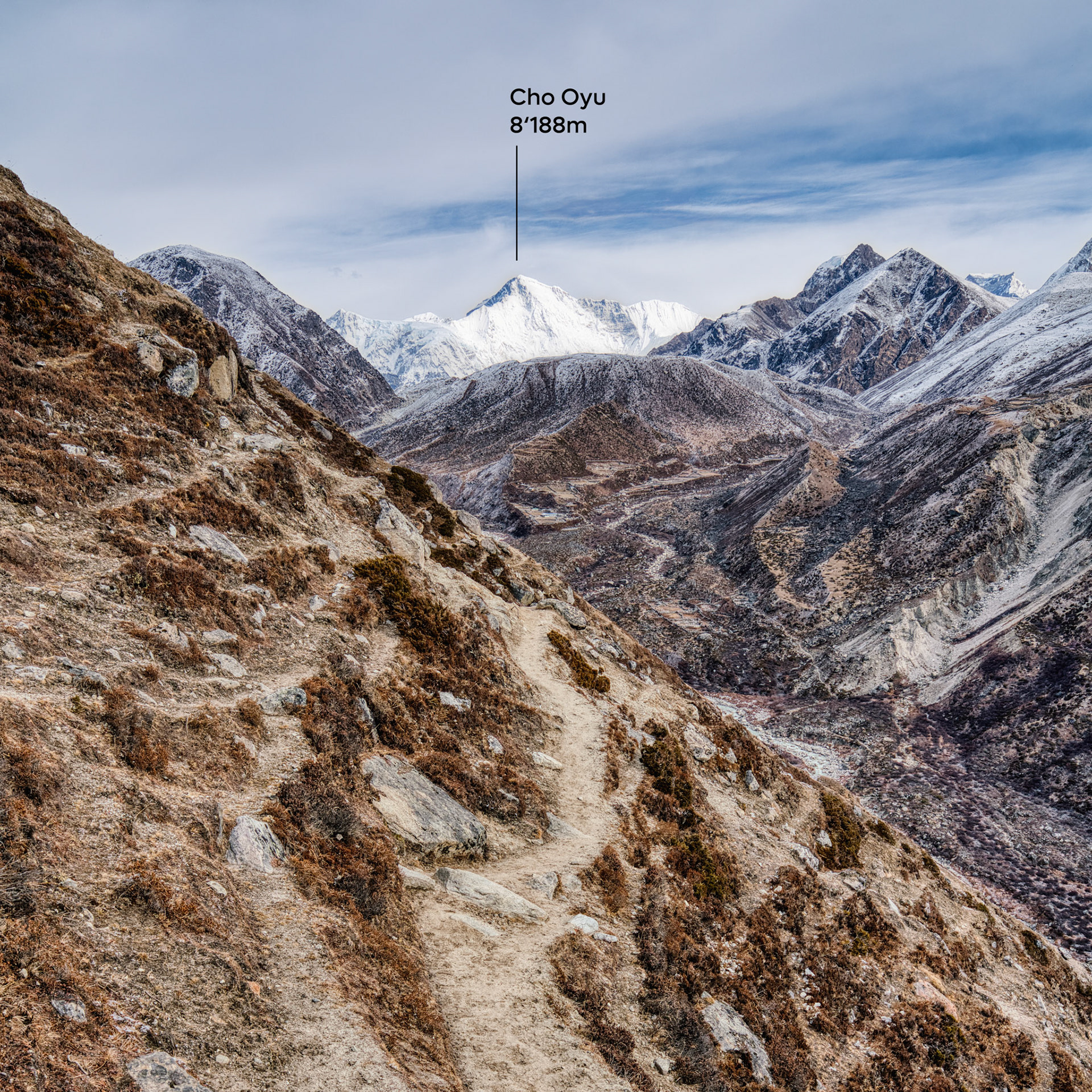
Along the route, trekkers are rewarded with views of some of the highest mountains on Earth, including Mount Everest, Lhotse, Makalu, and Cho Oyu, four of the world’s 8'000-meter peaks. With its mix of culture, altitude, glaciers, lakes, and unforgettable Himalayan scenery, this trek is one of the most complete and impressive adventures in Nepal.
Kathmandu to Lukla: Gateway to the Everest Region
1'356m - 2'860m
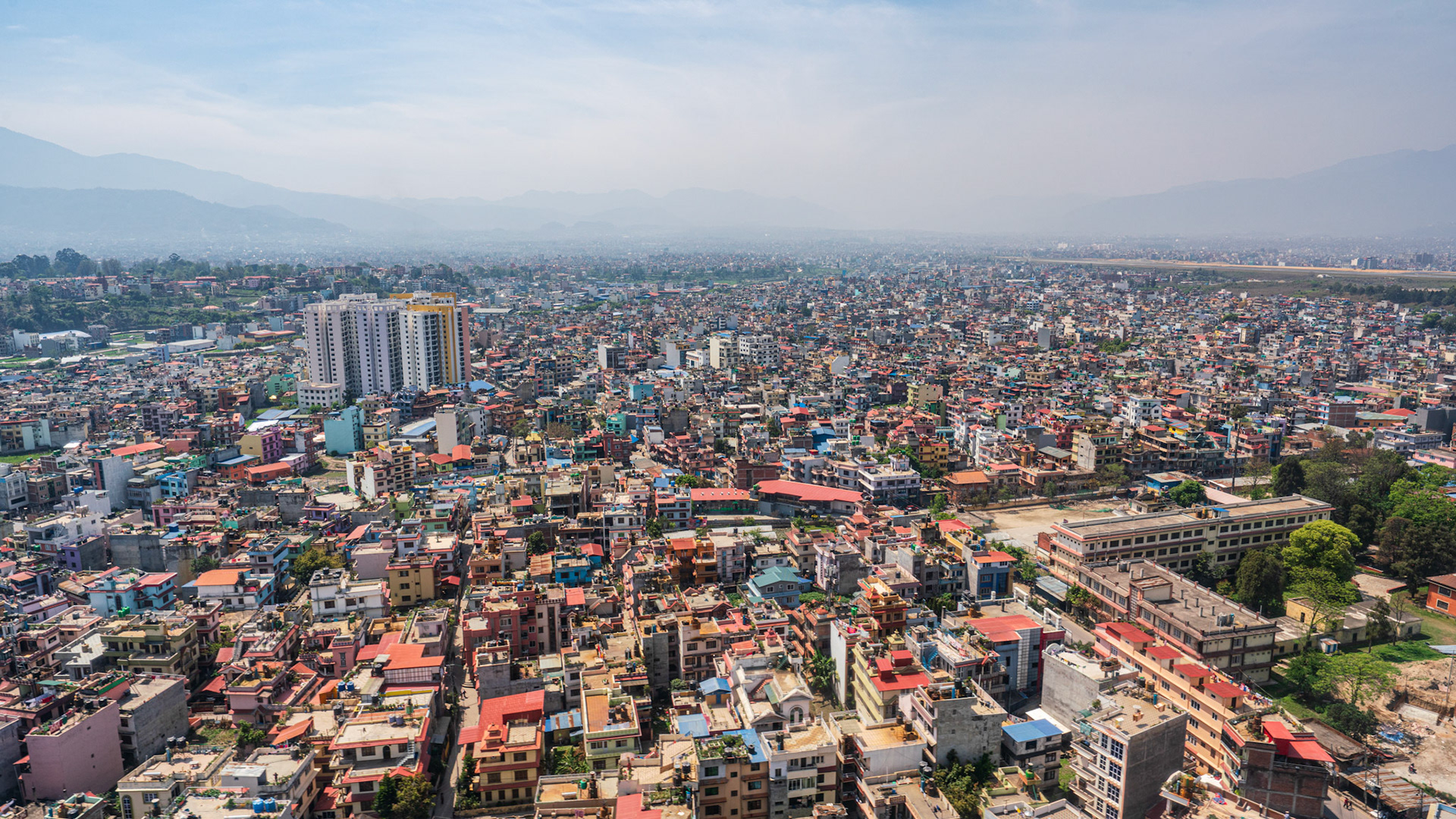
The journey from Kathmandu to Lukla marks the exciting beginning of the Everest adventure. After leaving Nepal’s busy capital behind, a short mountain flight leads deep into the Himalayas, offering first glimpses of snow-covered peaks, steep valleys, and remote villages.
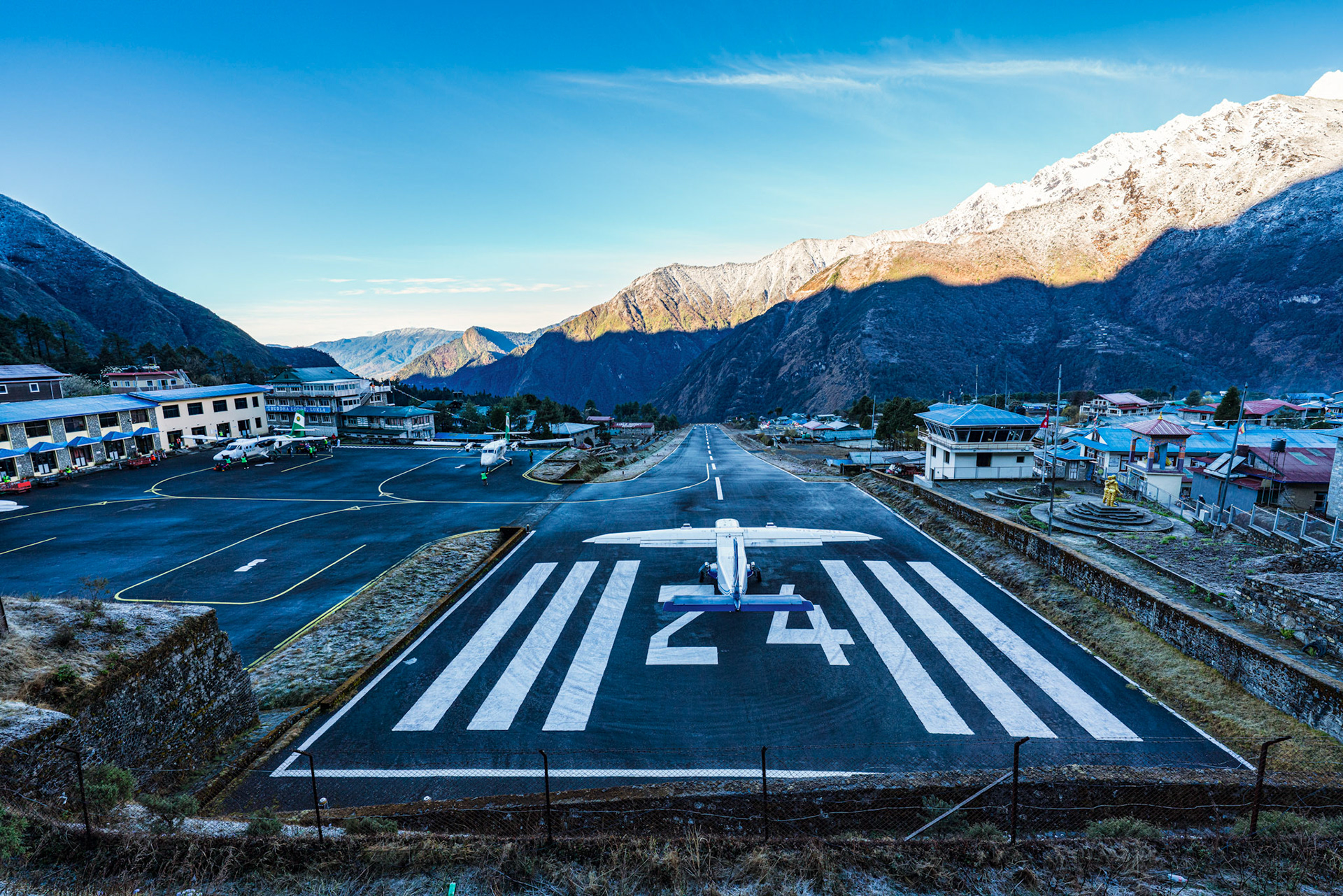
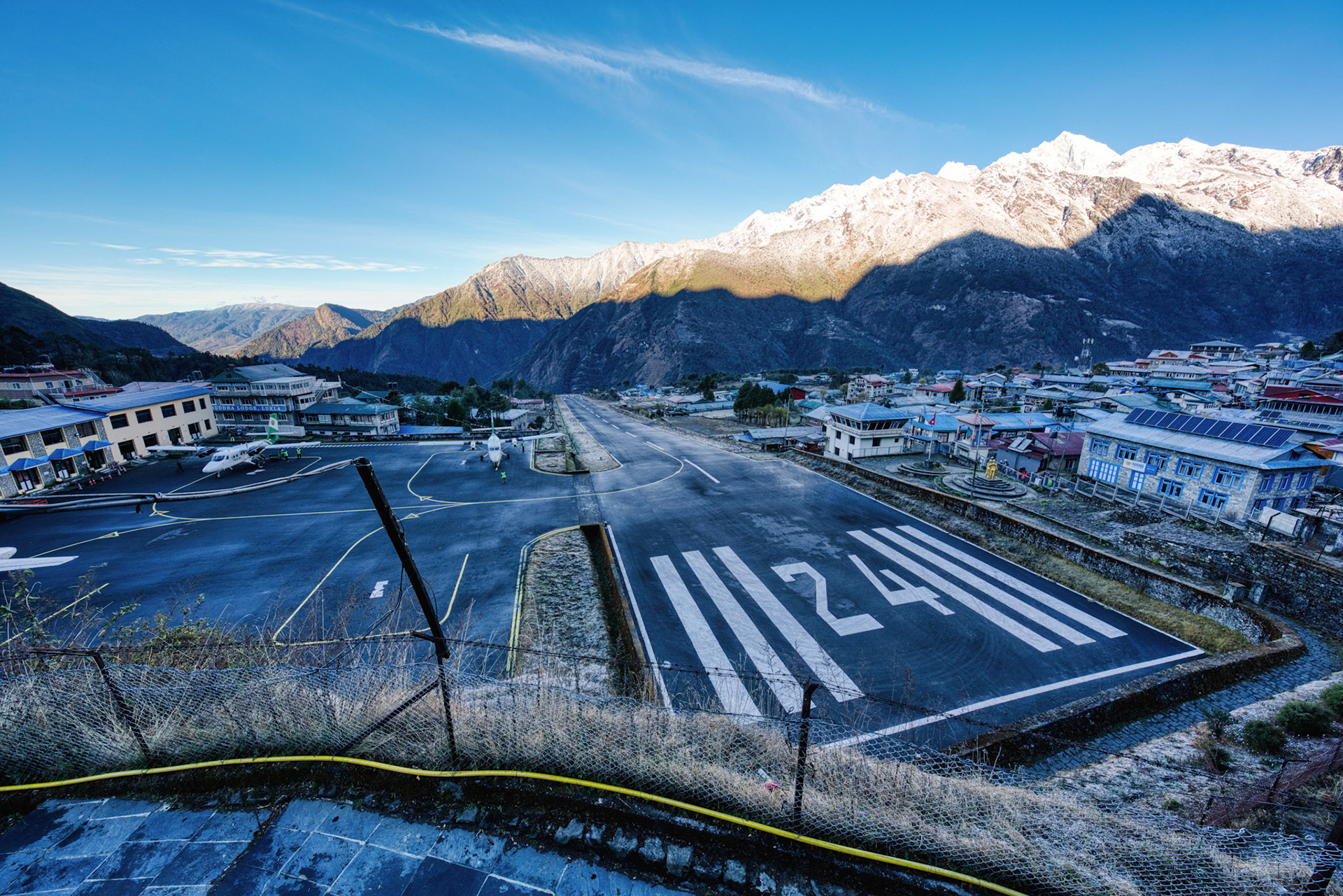
Landing at Lukla’s Tenzing-Hillary Airport, often considered one of the most dangerous airports in the world, is an unforgettable experience. Its short runway, dramatic mountain setting, and unpredictable weather make the arrival especially thrilling.
Lukla to Namche Bazaar: Into the Khumbu
2'860m - 3'440m
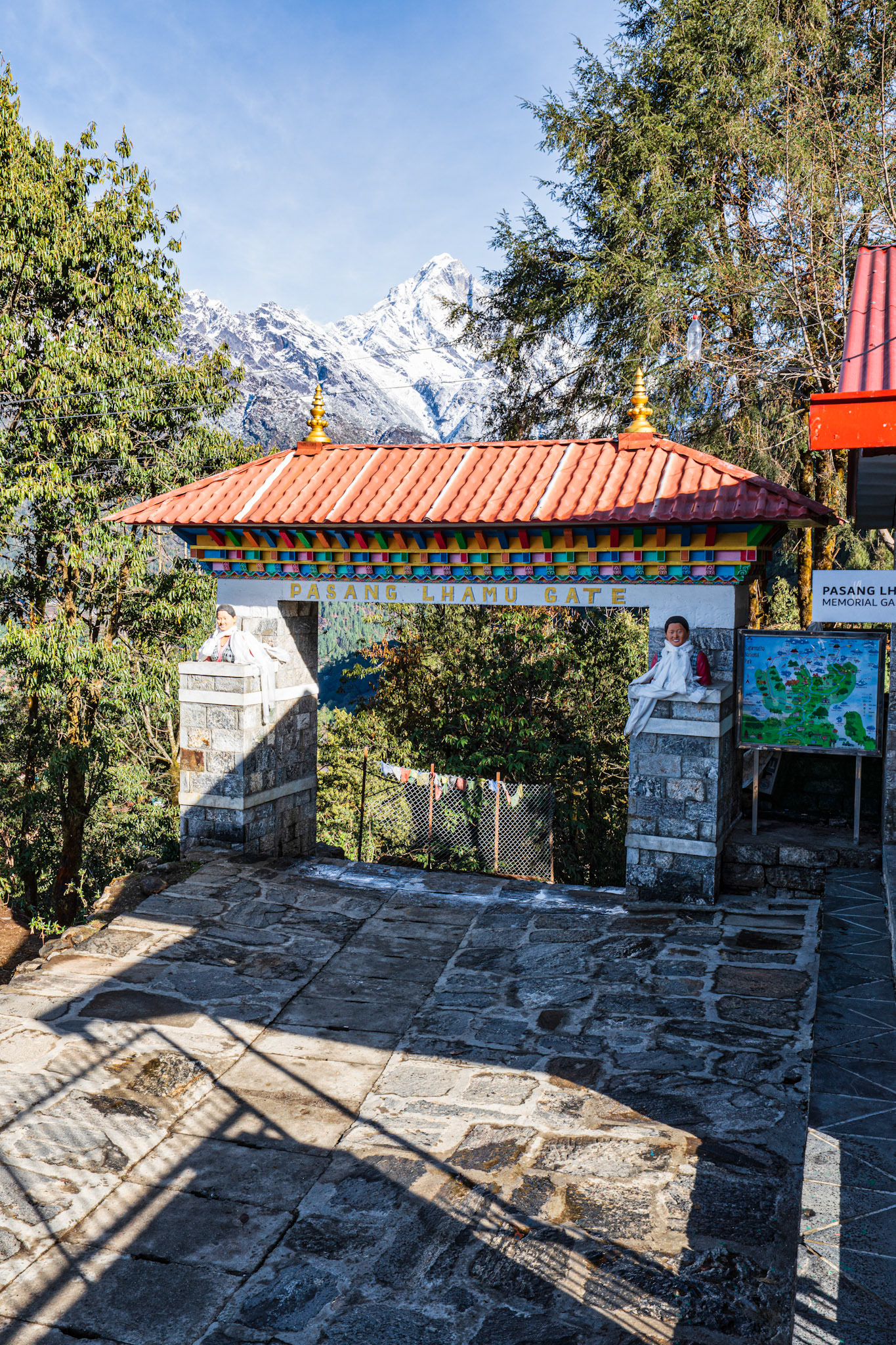
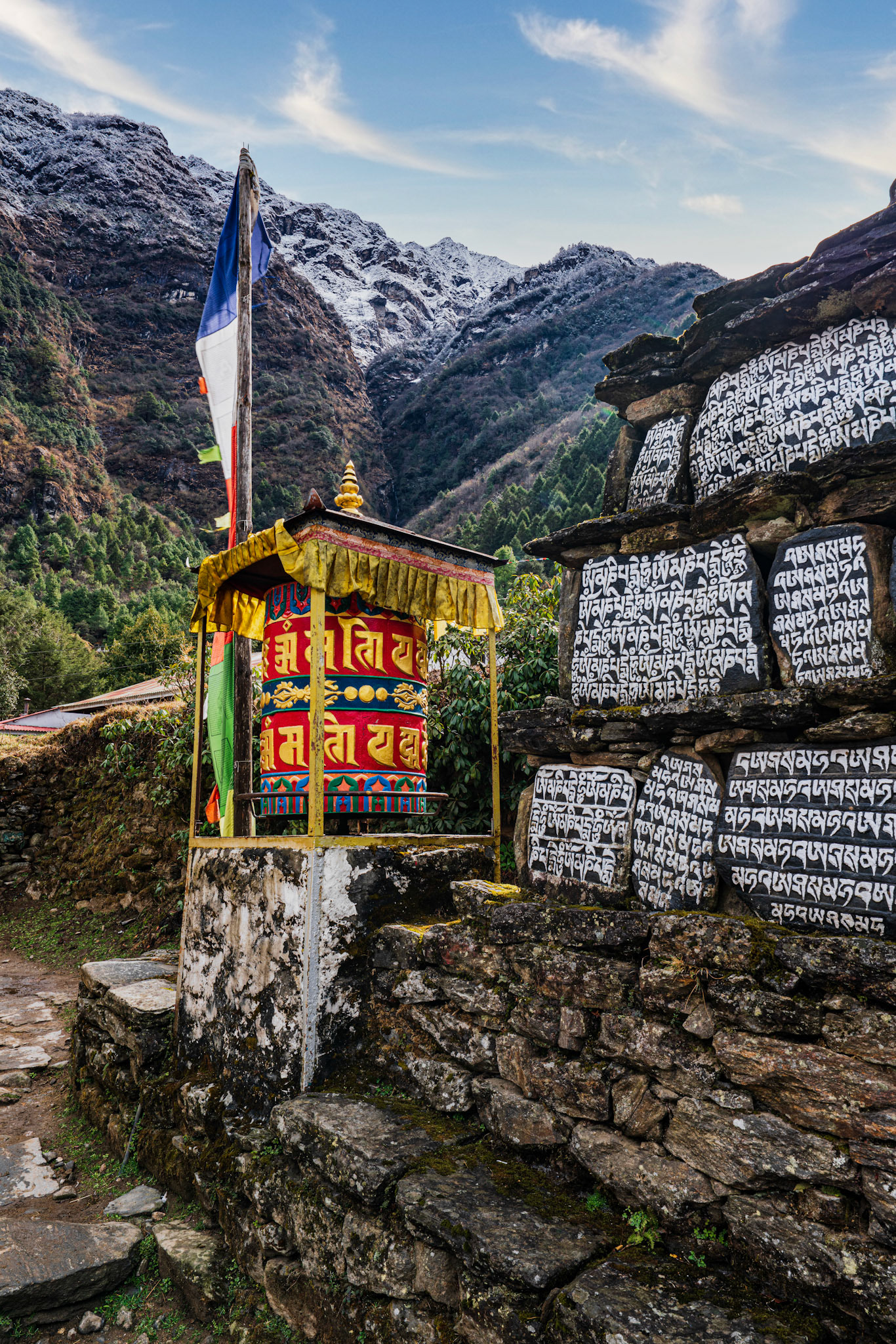
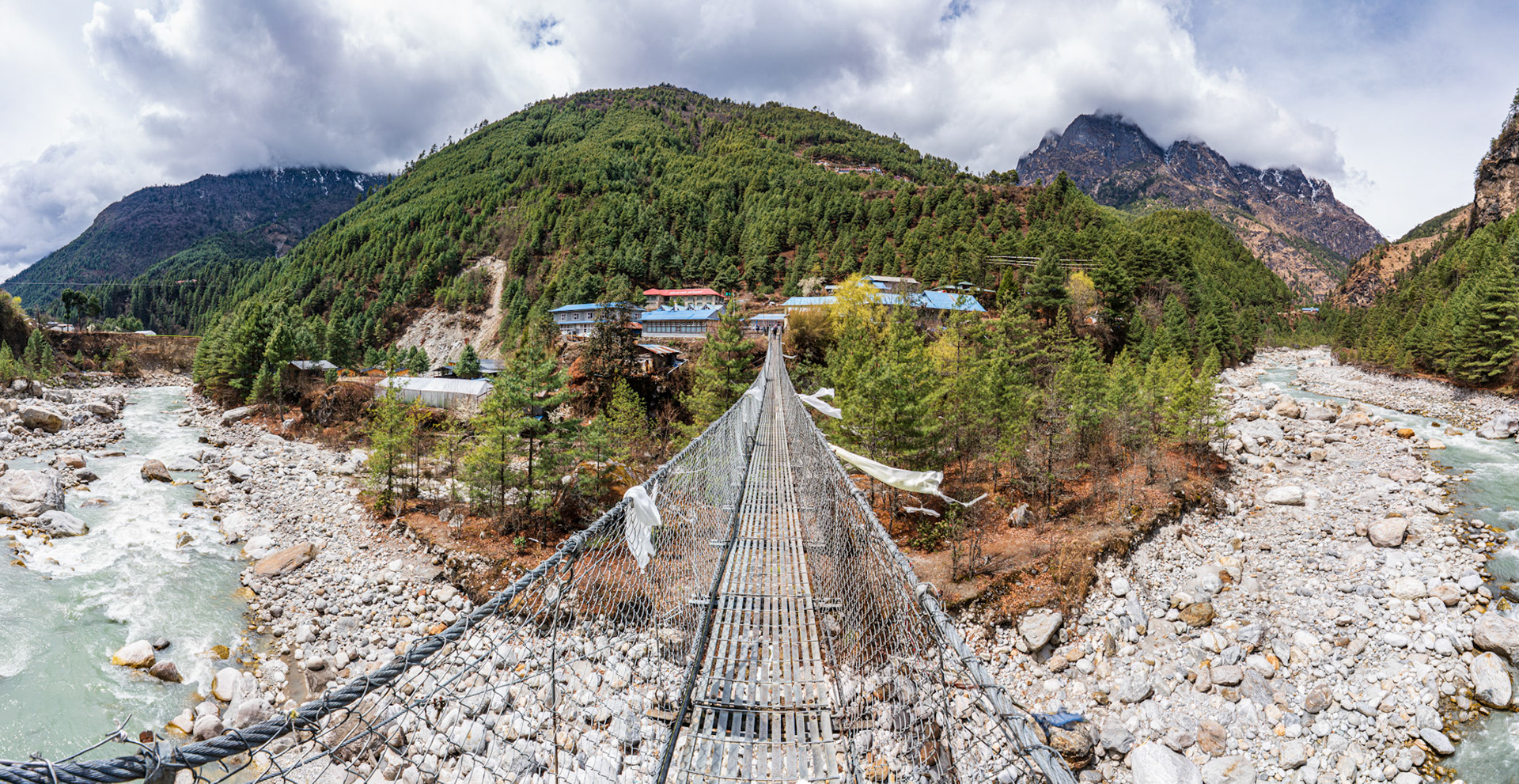
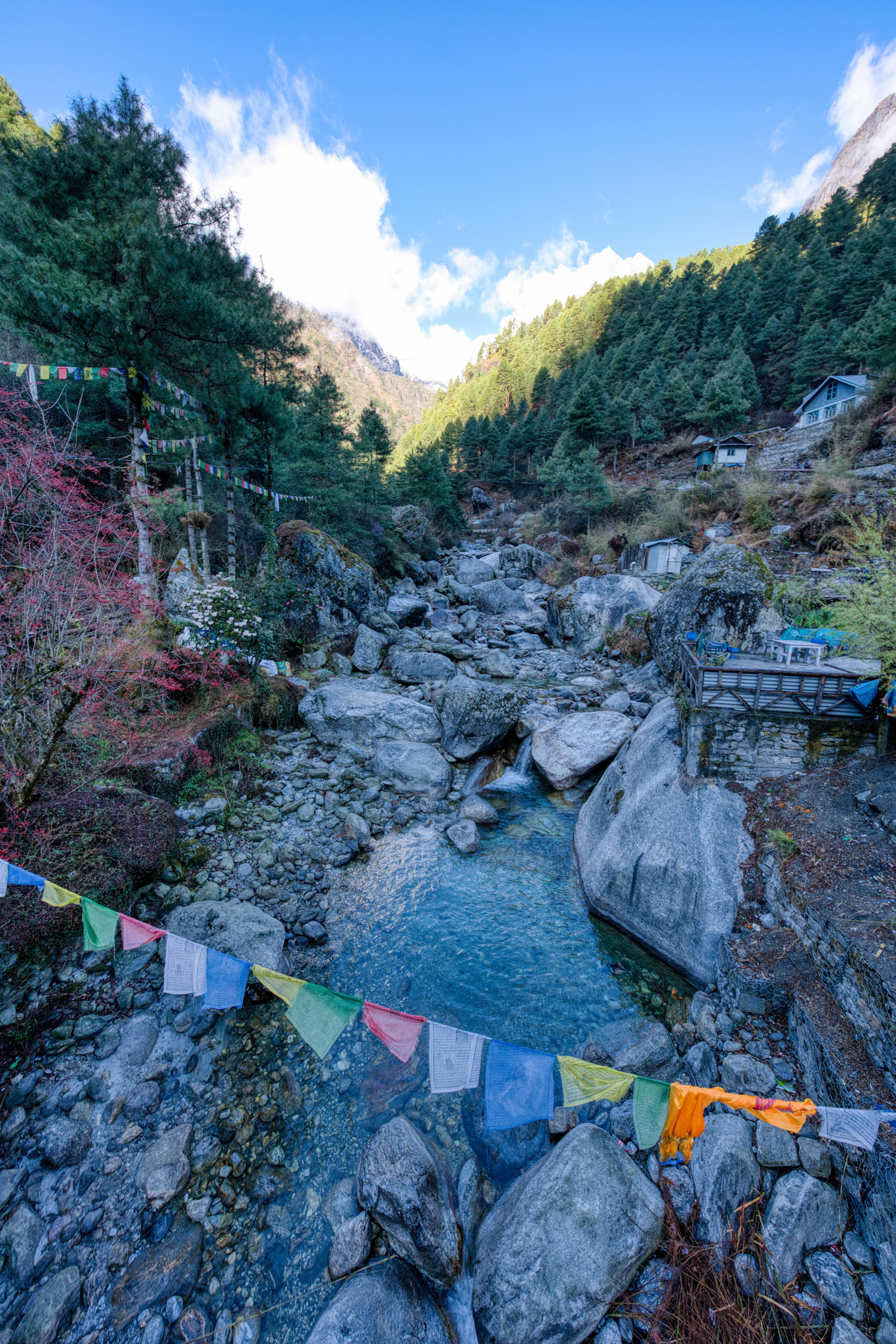
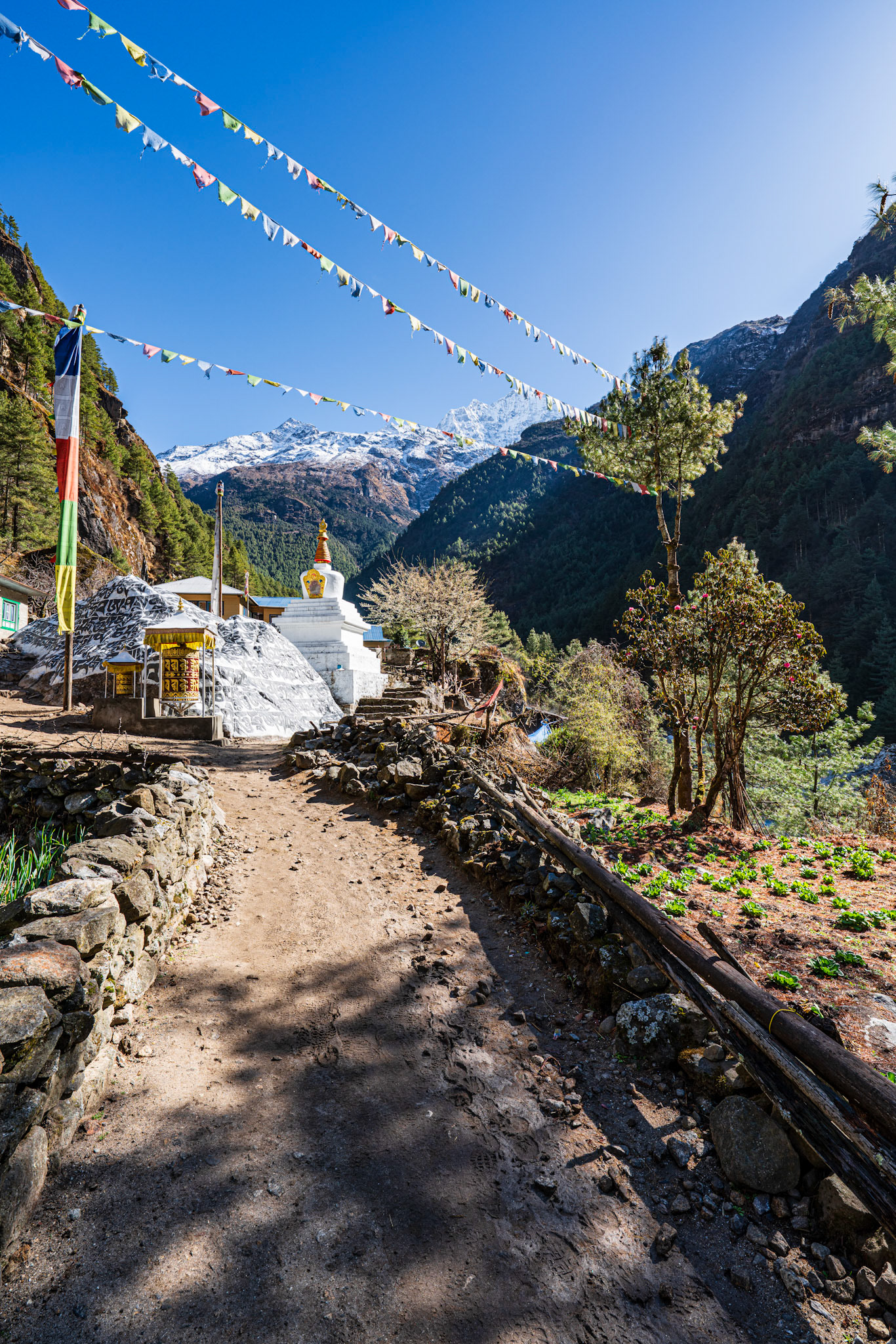
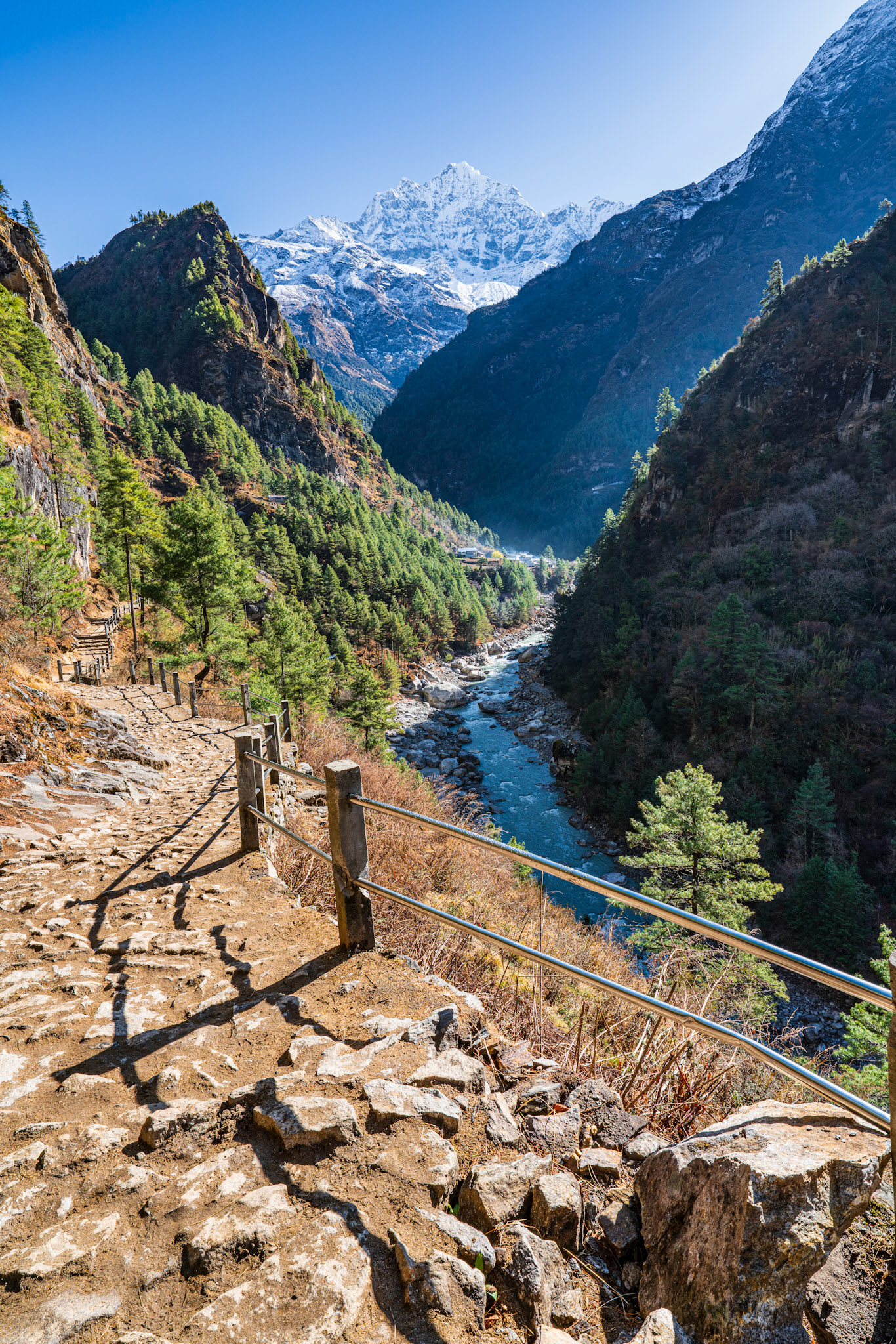
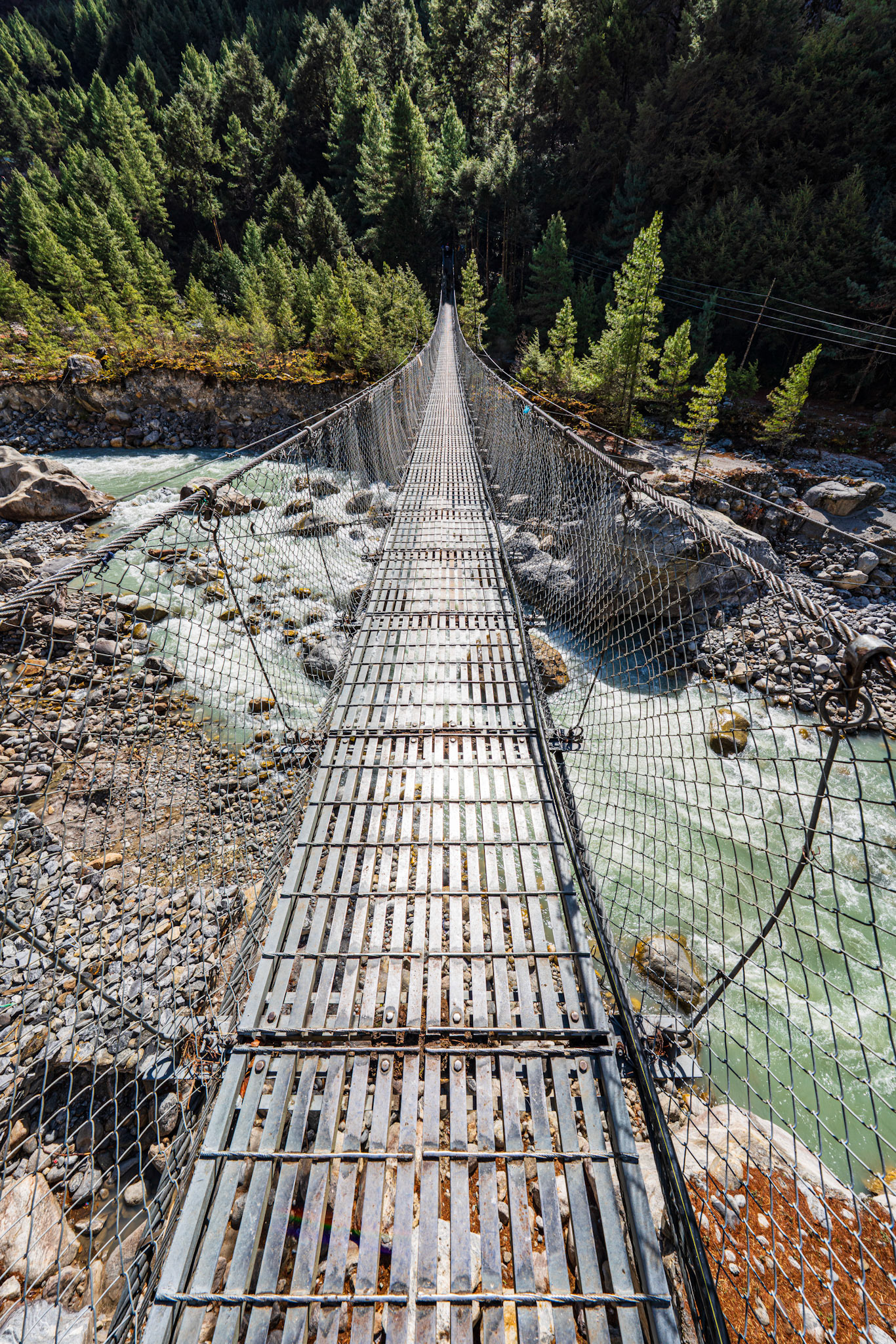
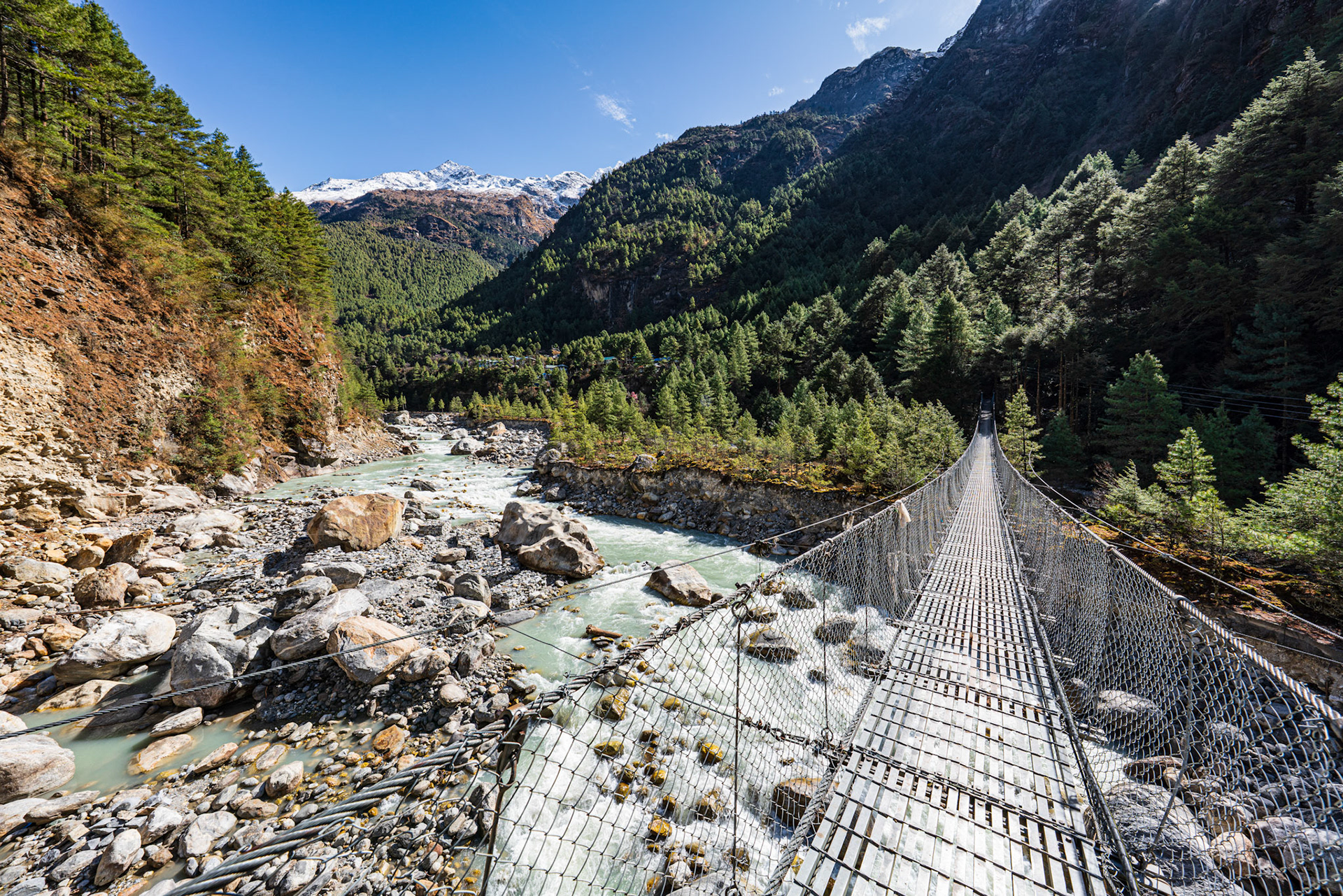
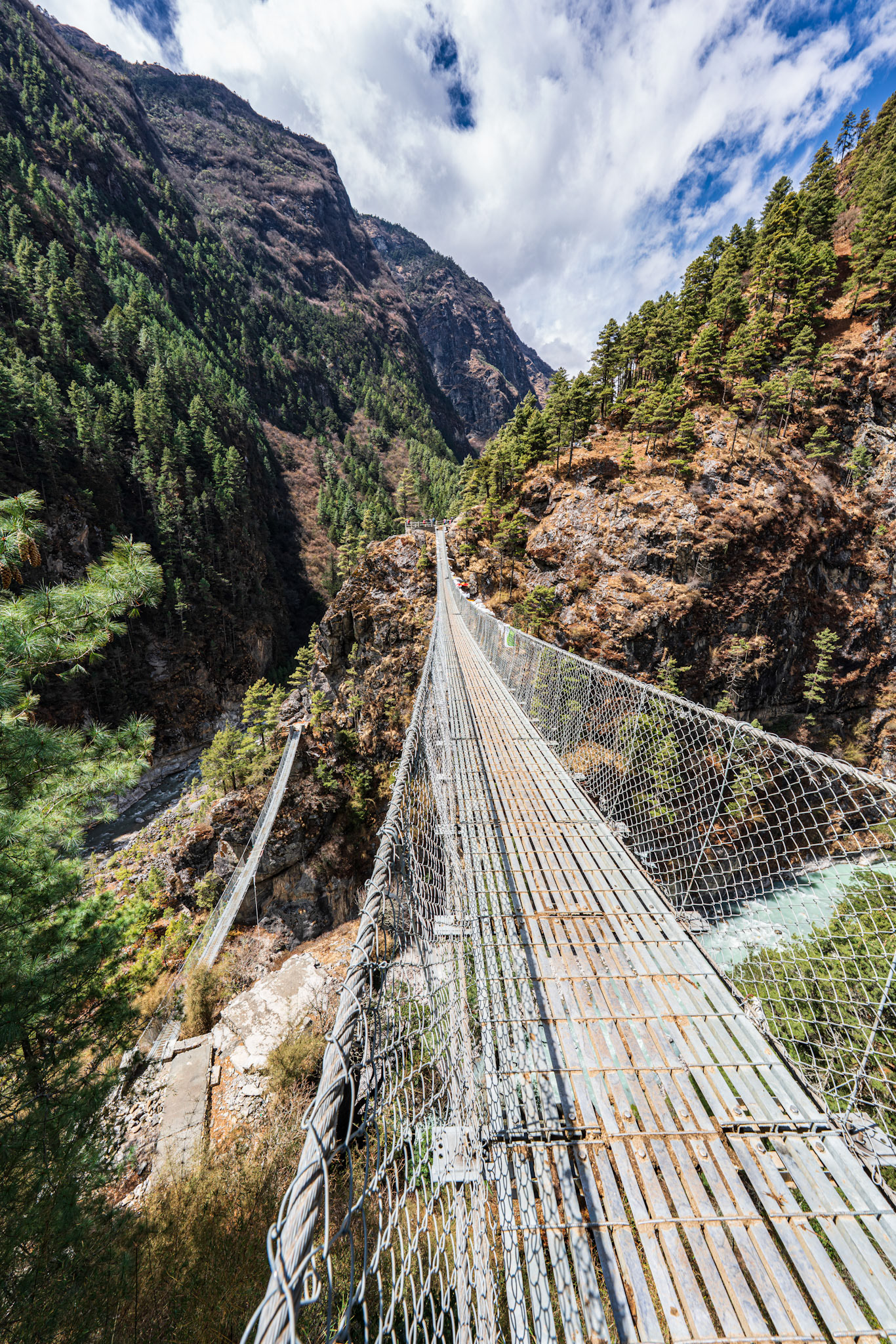
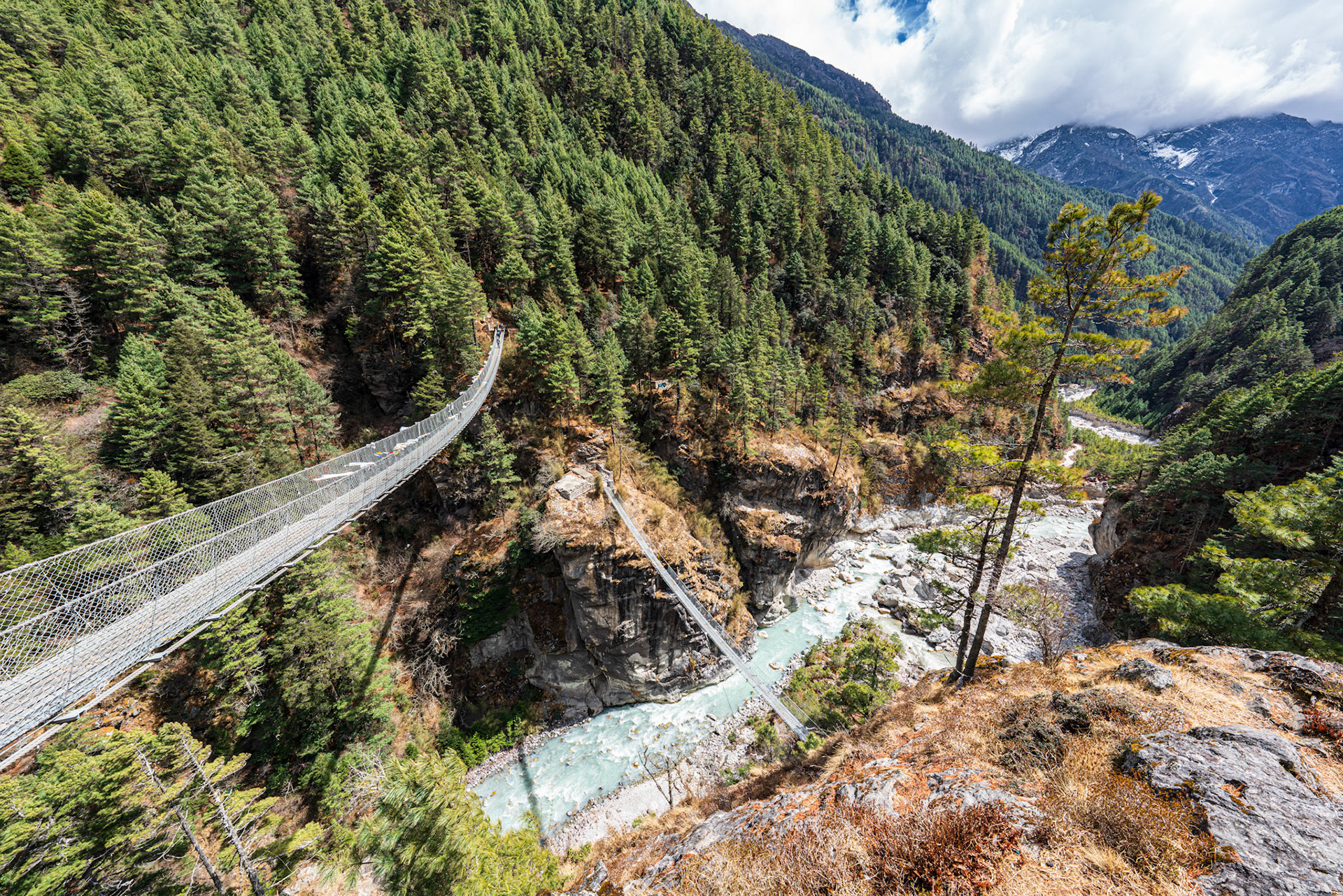
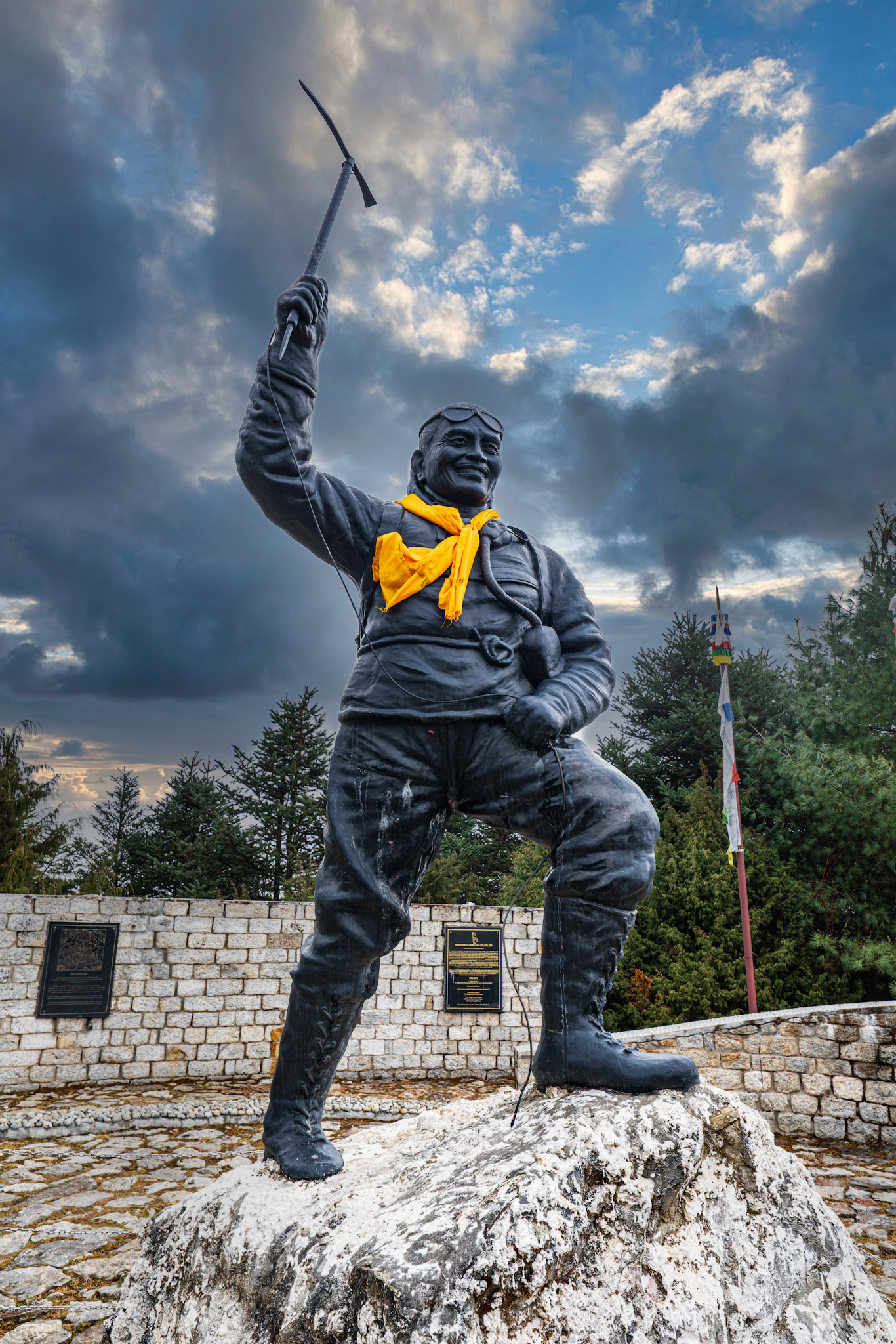
The trek from Lukla to Namche Bazaar is the first major step into the Everest region. The trail follows the Dudh Koshi River through small Sherpa villages, pine forests, prayer wheels, and suspension bridges, gradually revealing the unique atmosphere of the Khumbu.
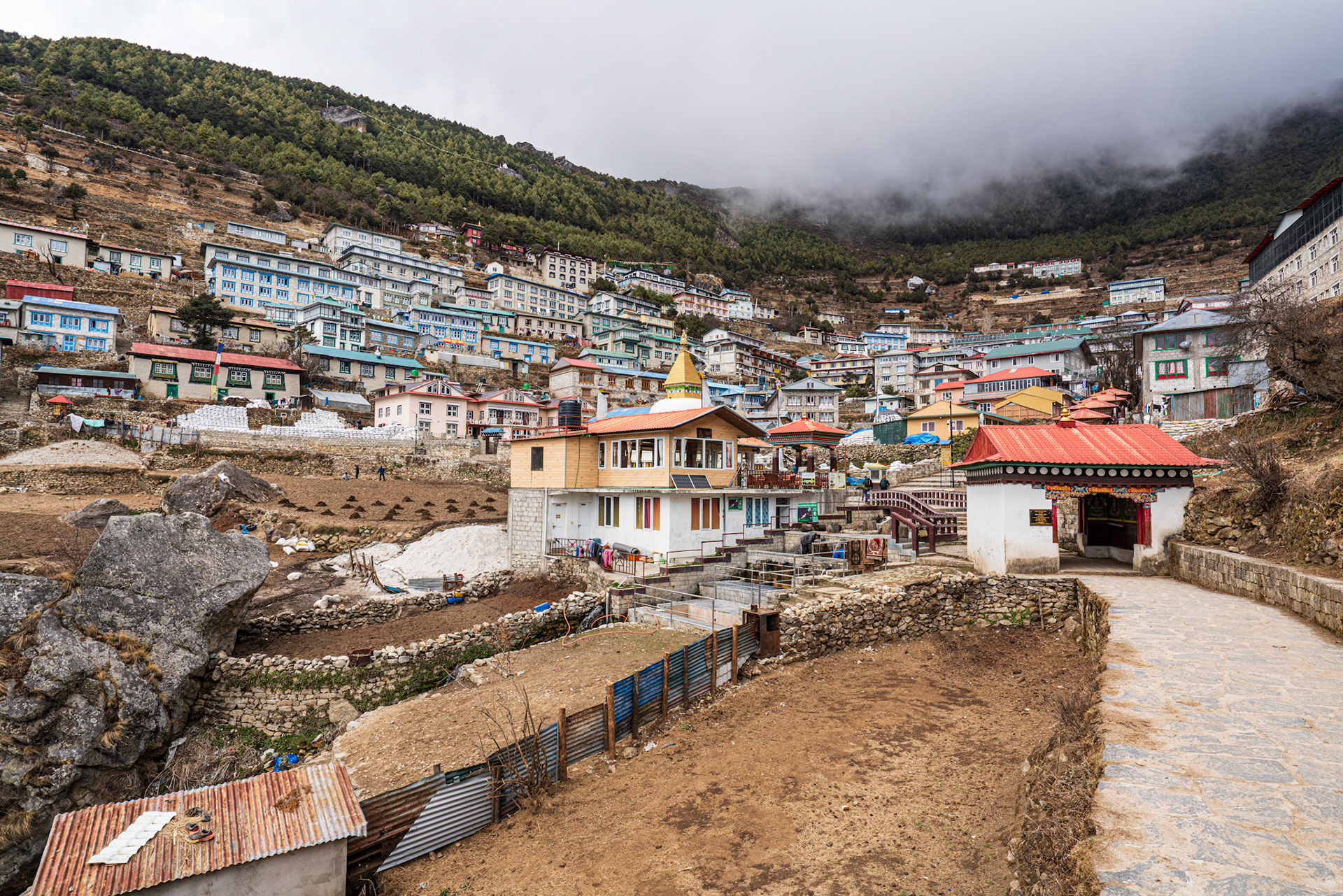
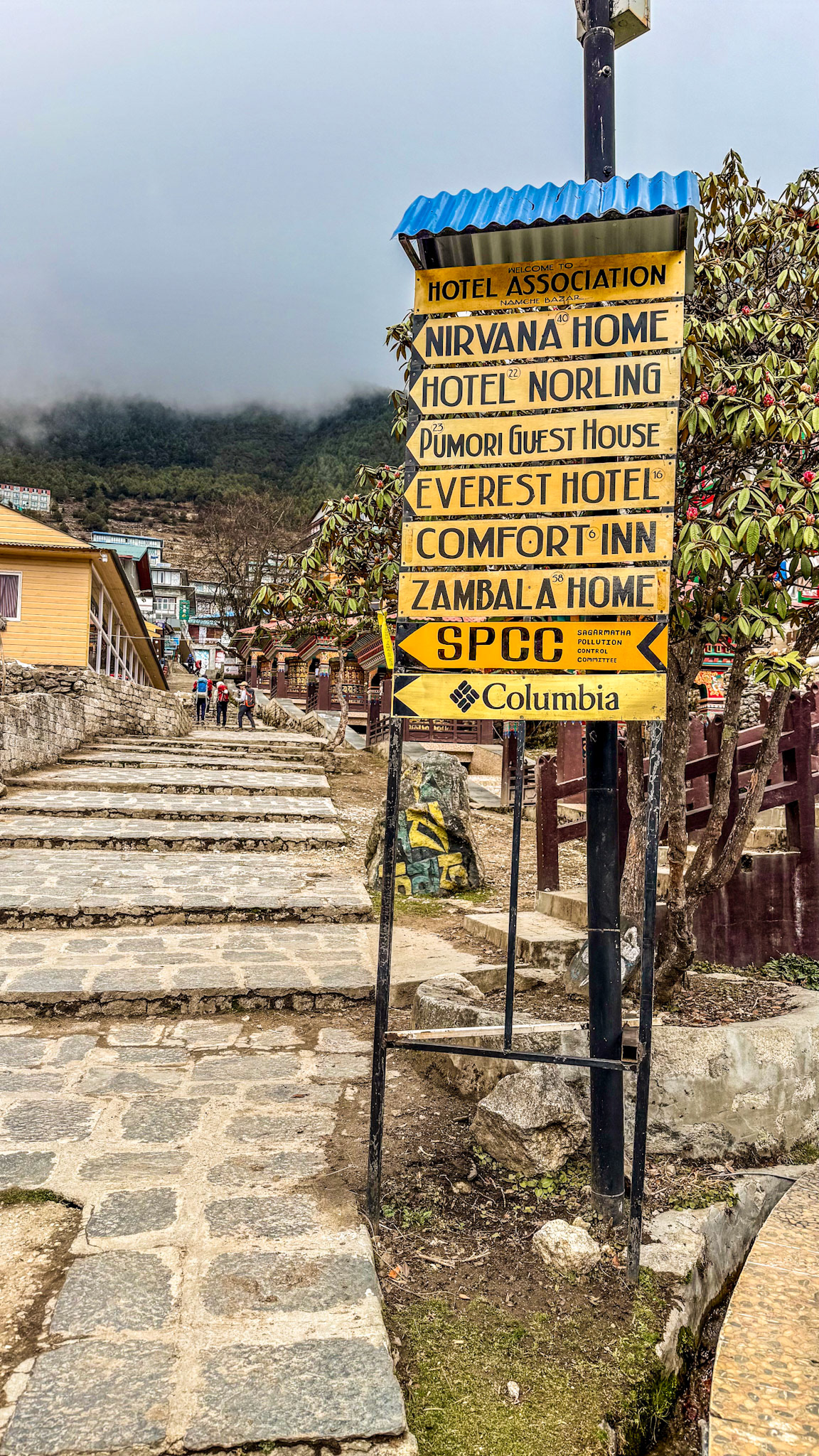
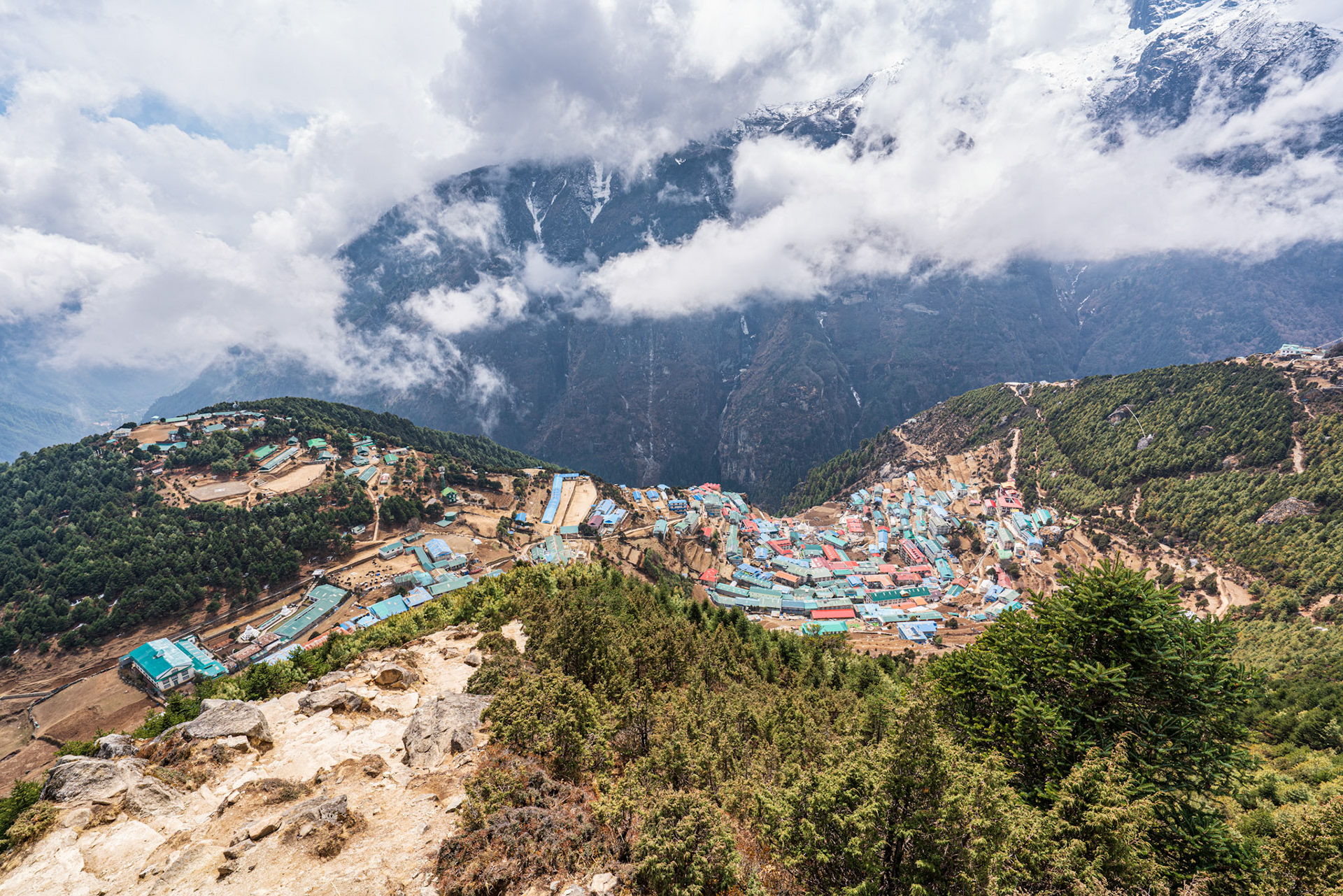
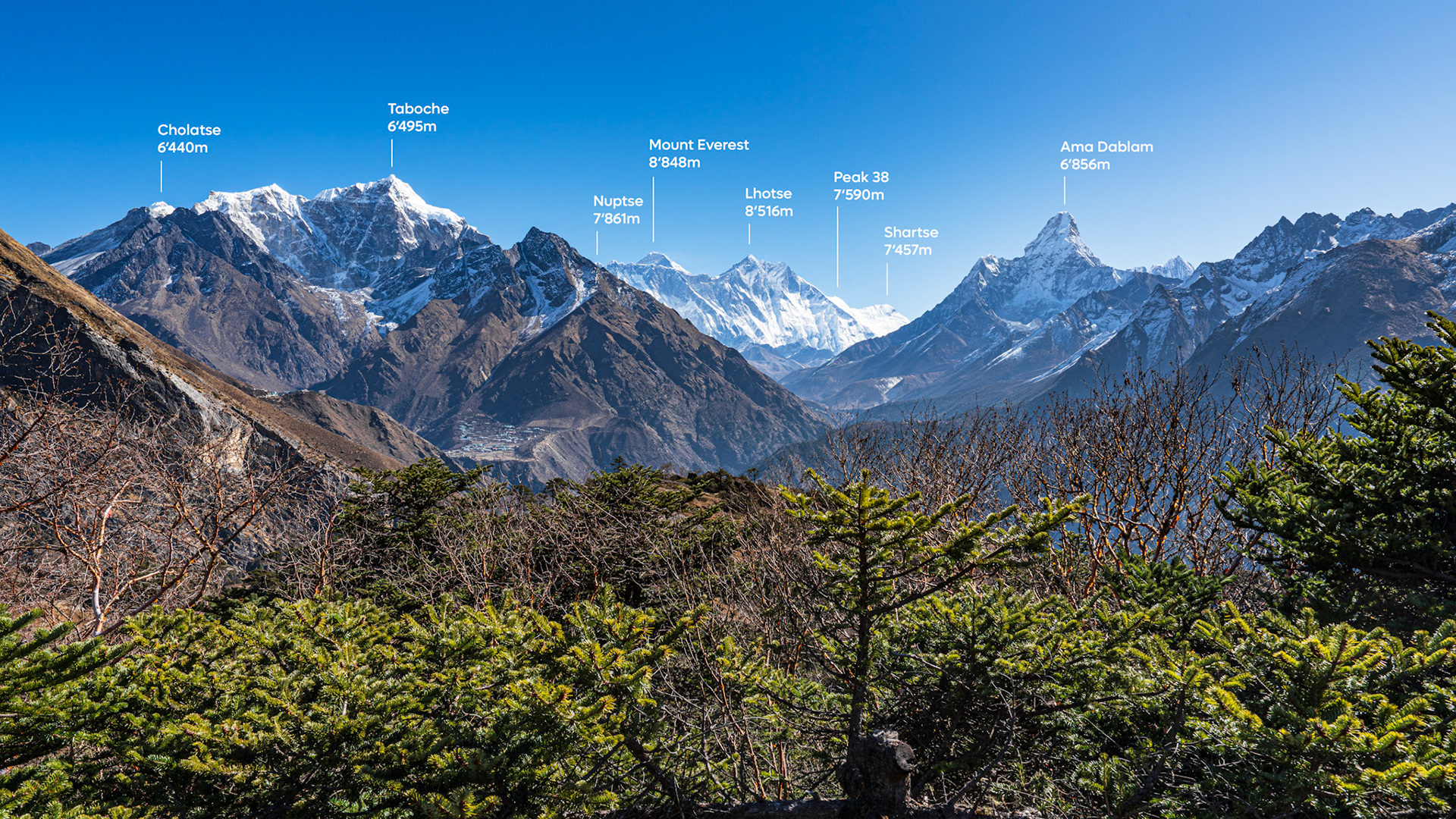
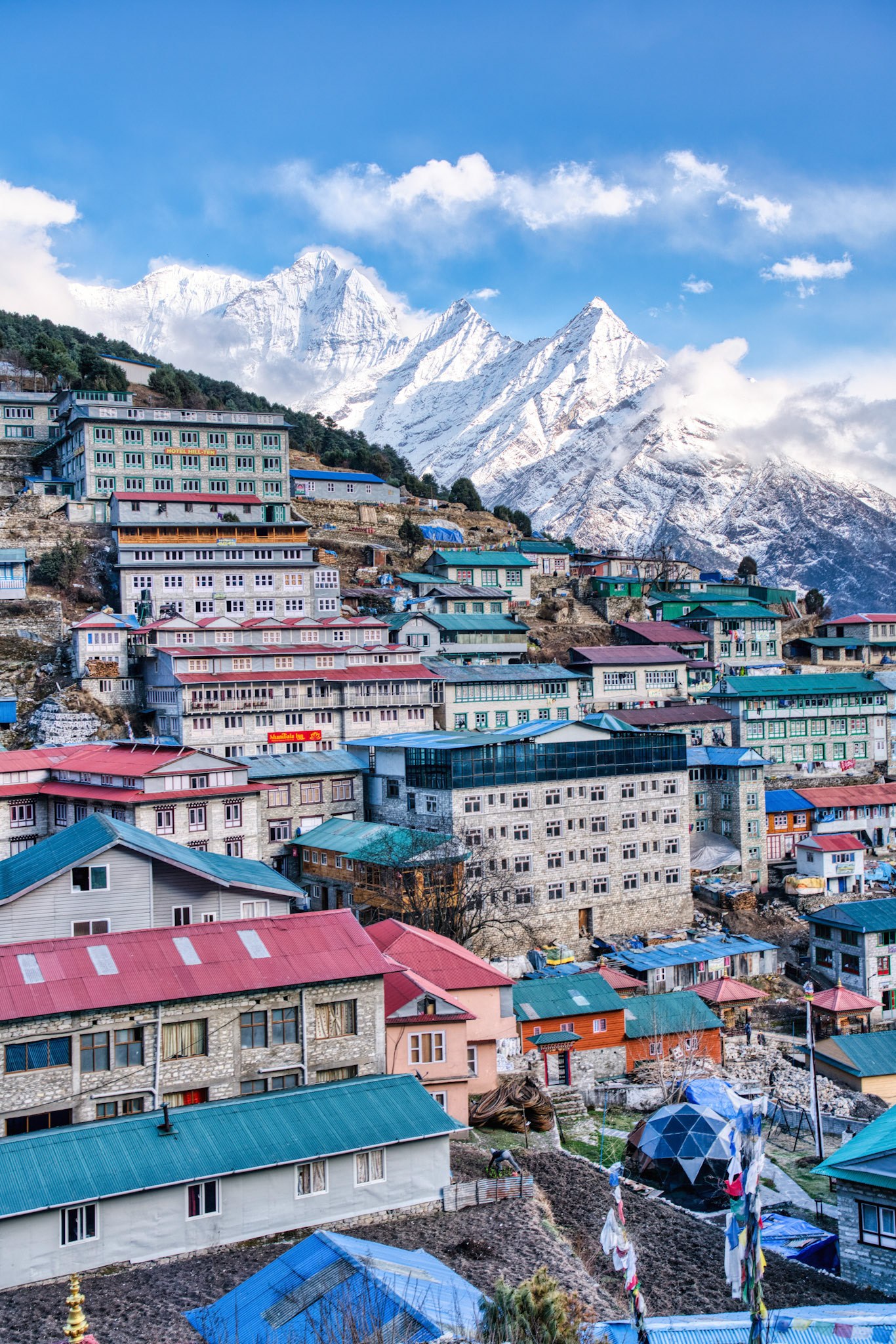
After entering Sagarmatha National Park, the route climbs steeply toward Namche Bazaar, the lively mountain town and main trading hub of the region. This section offers the first real feeling of Himalayan trekking — with dramatic valleys, high bridges, and, on clear days, the first distant views of Mount Everest.

Namche Bazaar to Gokyo: Lakes Beneath the Giants
3'440m - 4'790m
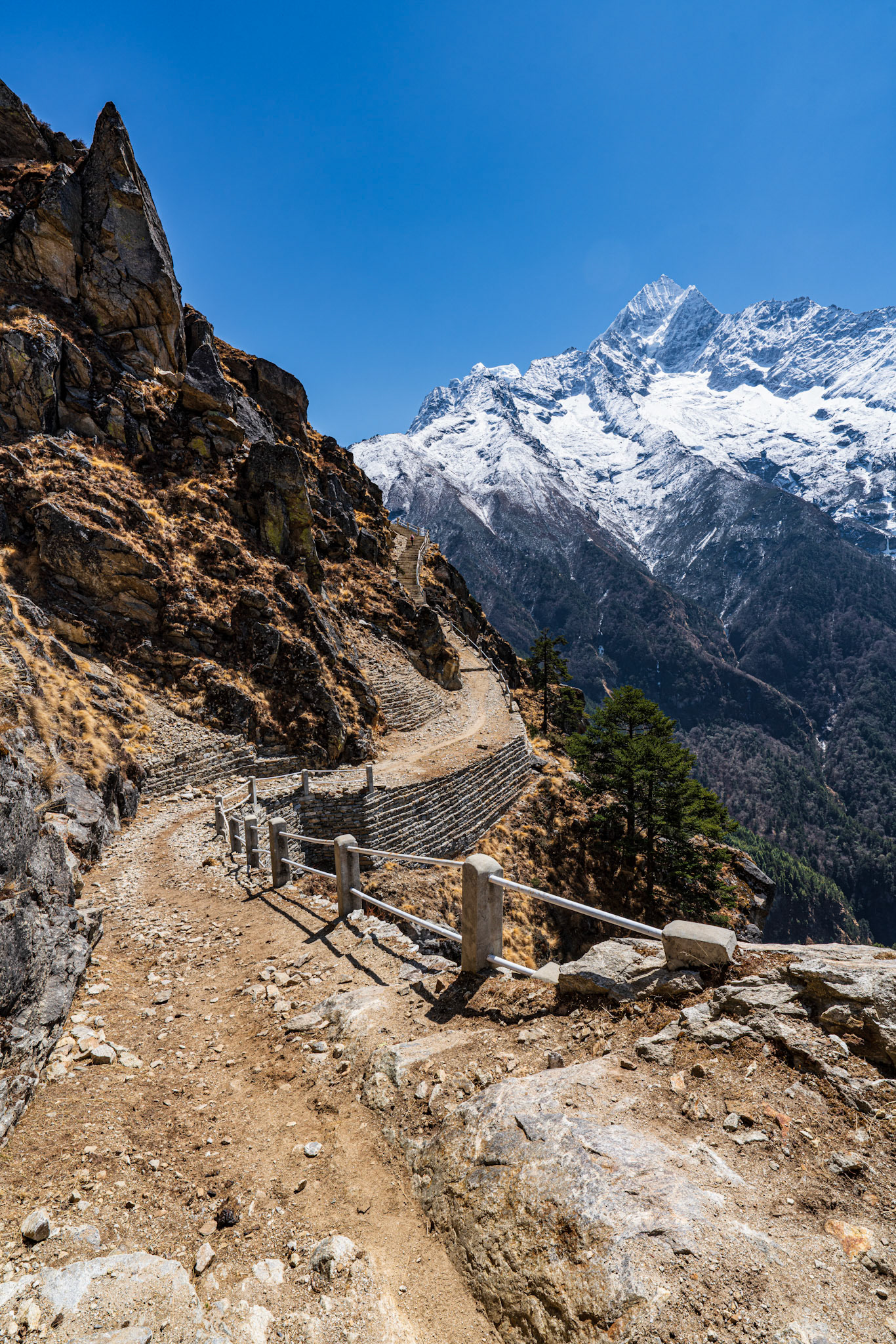
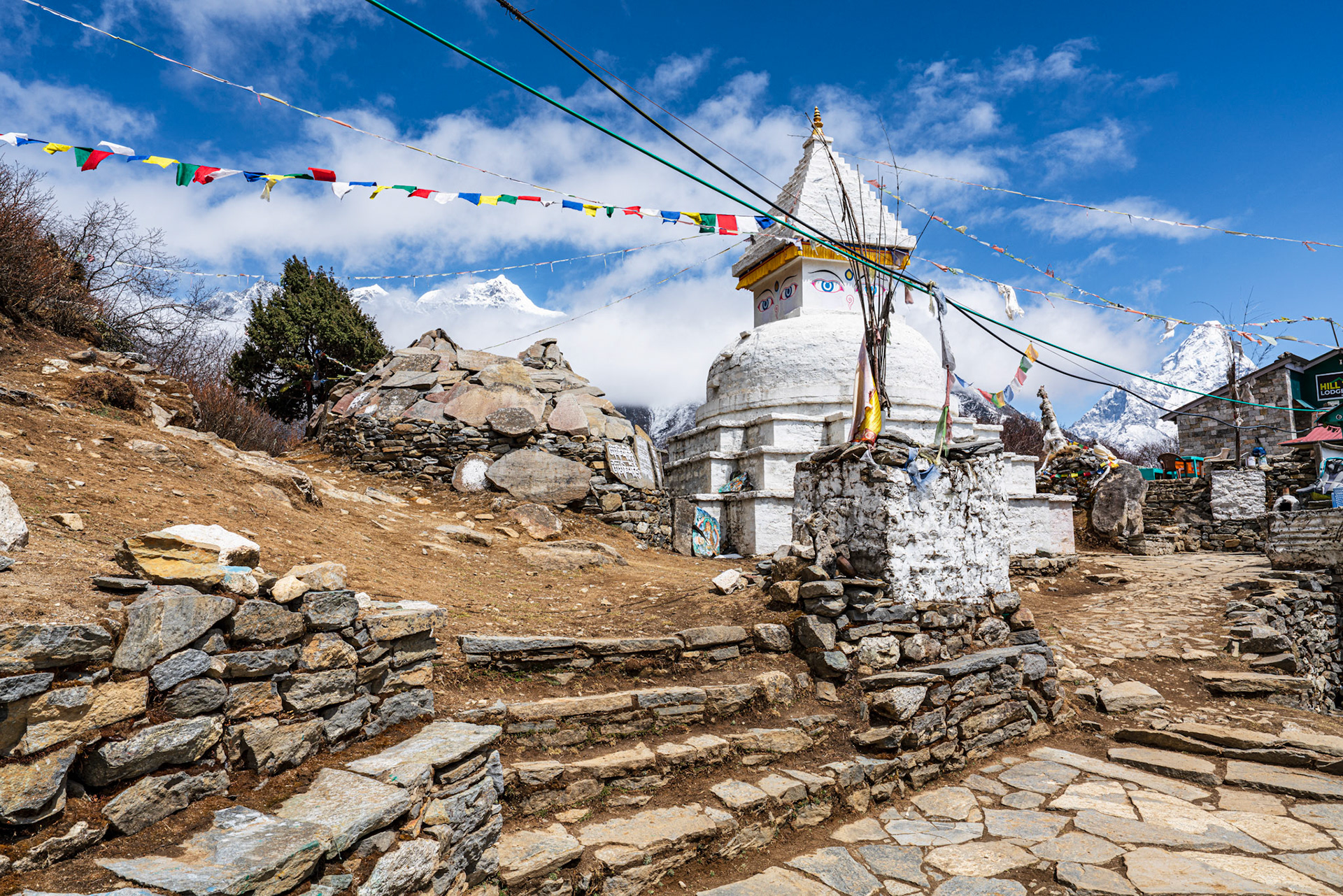
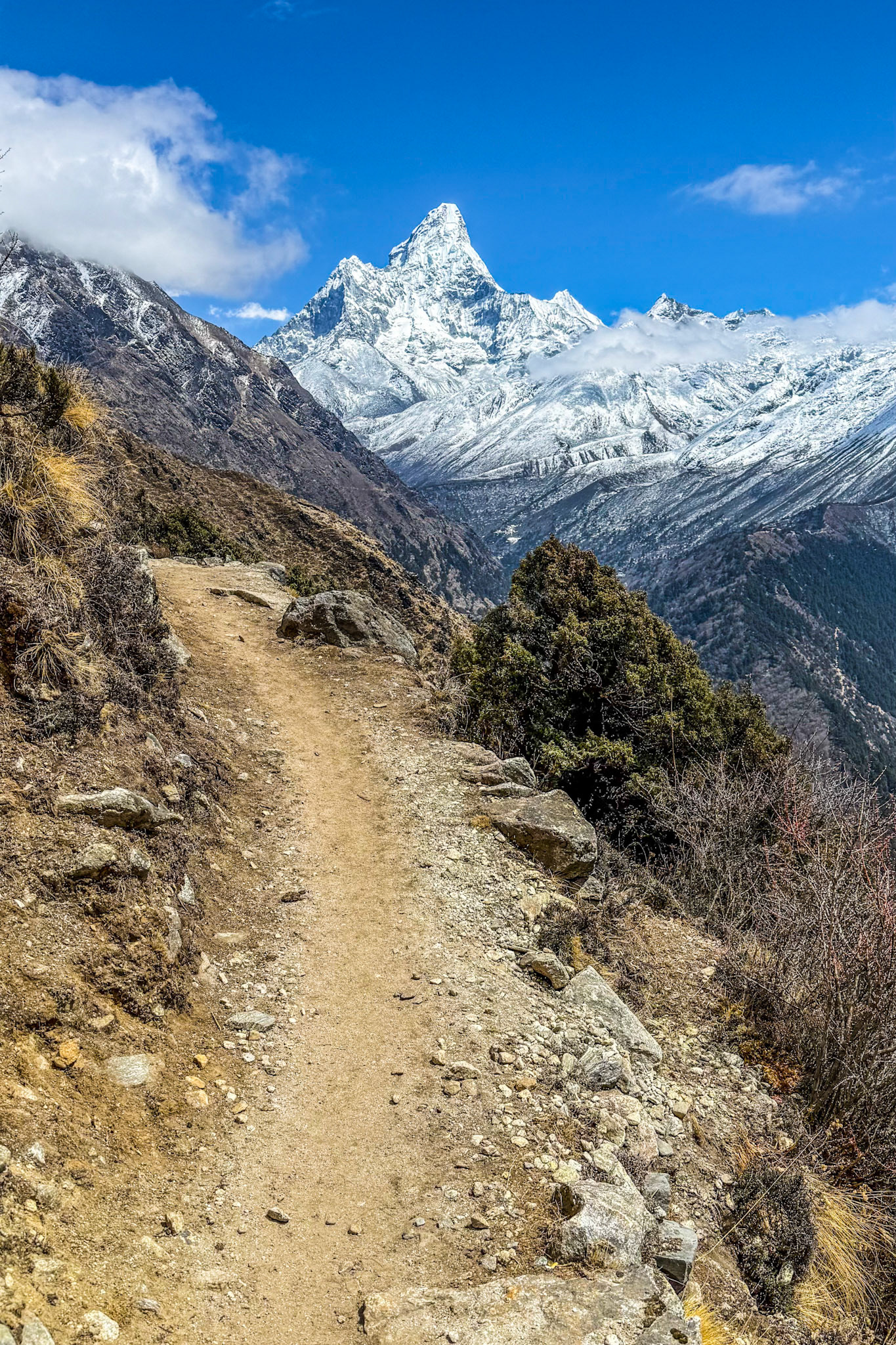
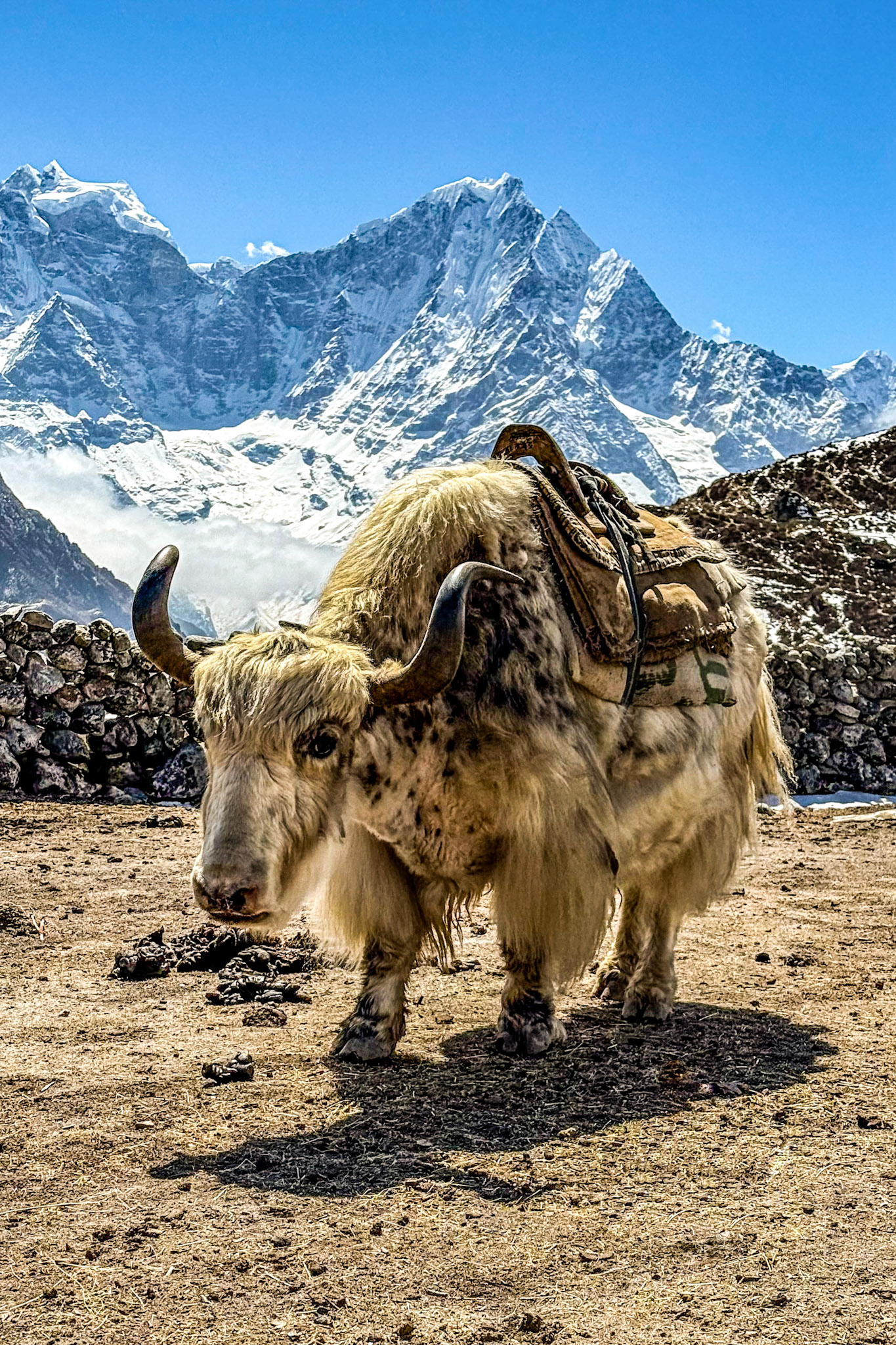
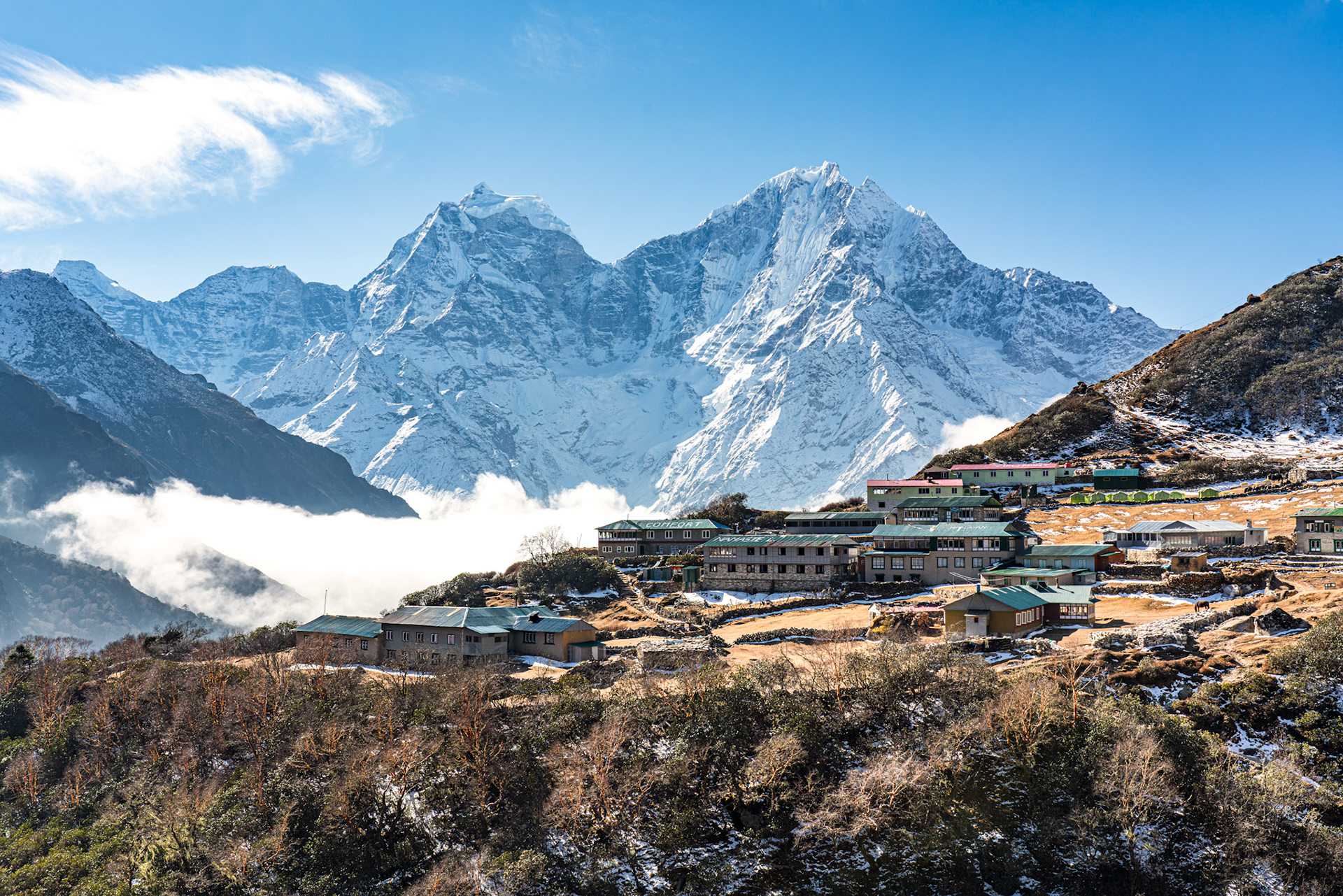
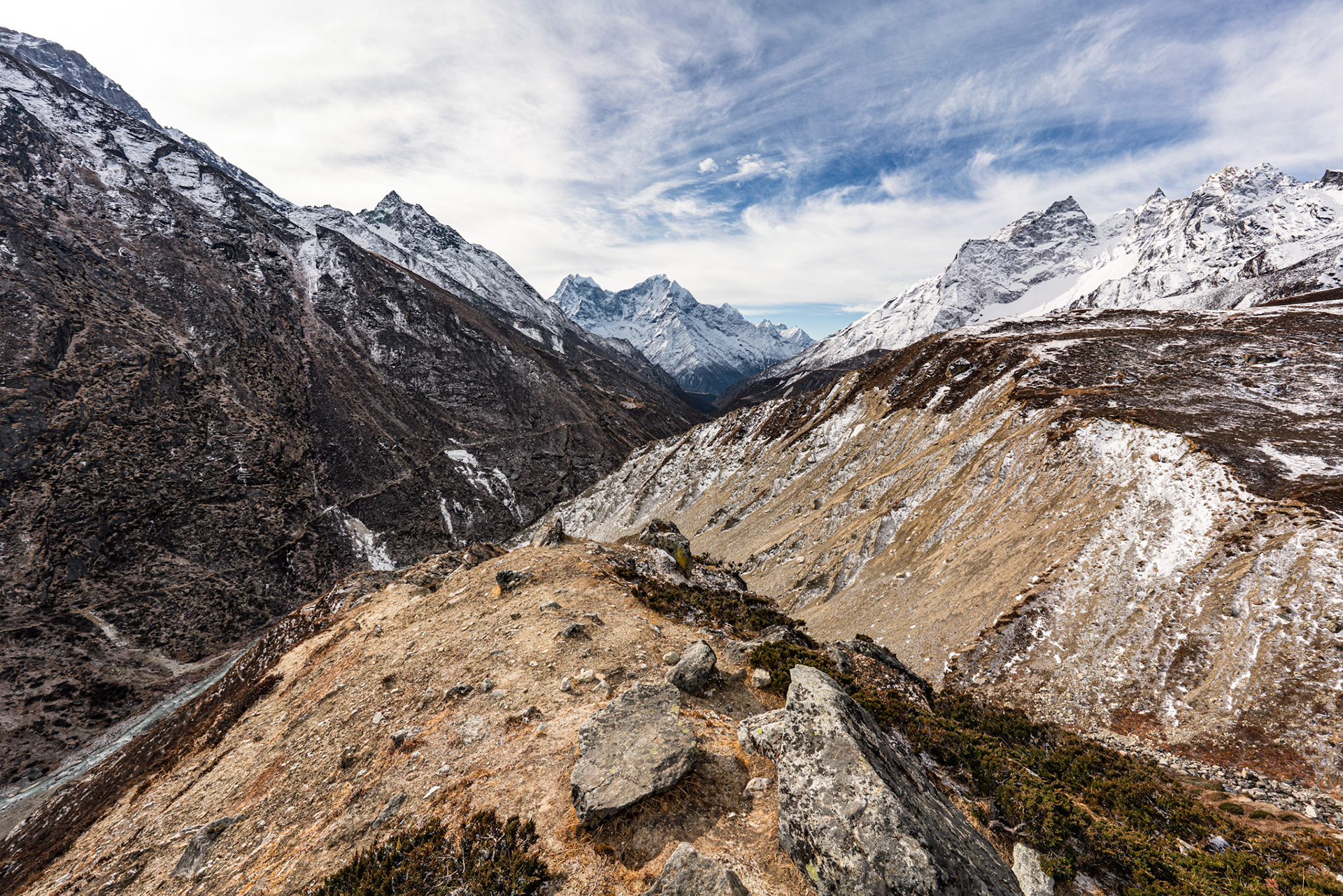
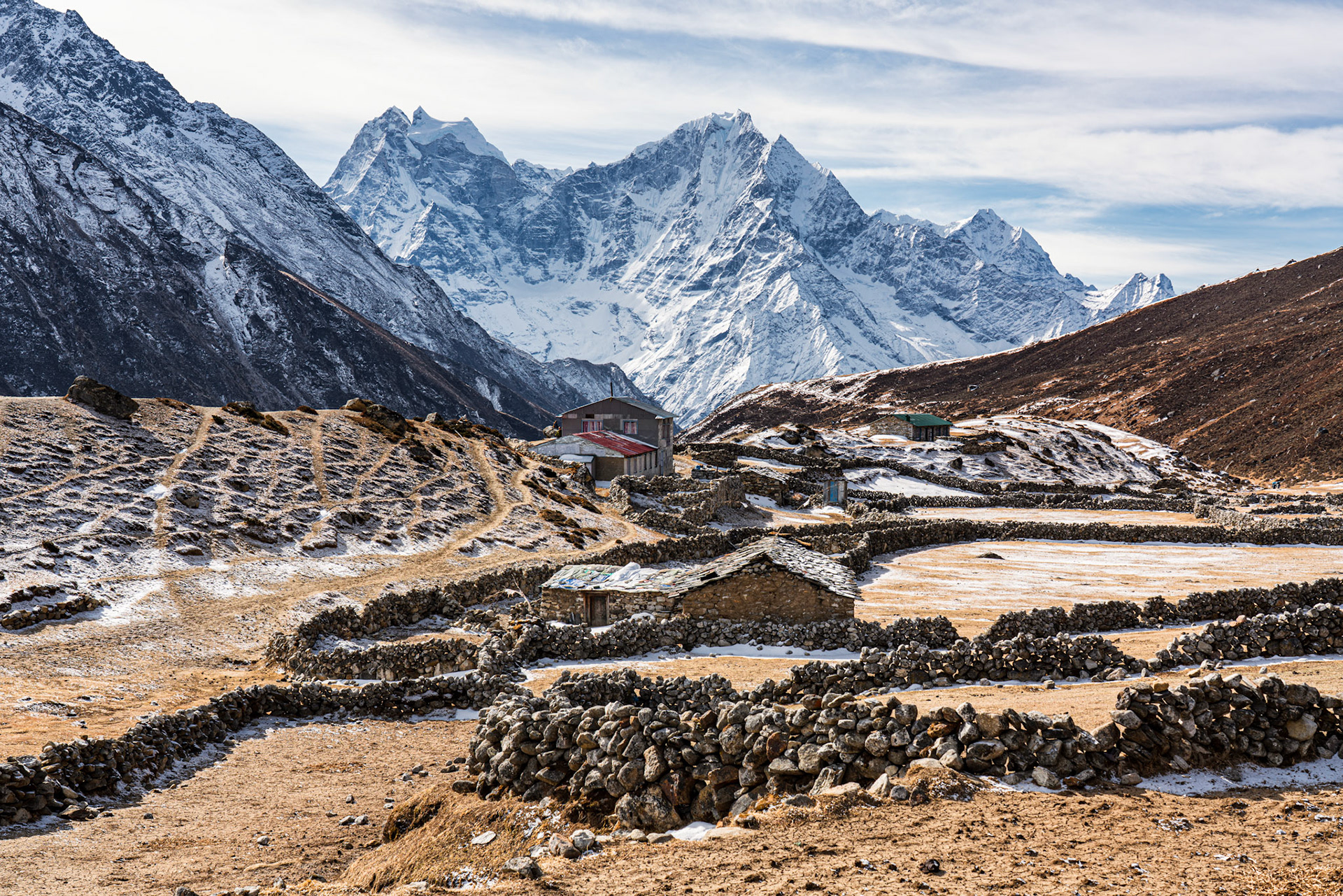
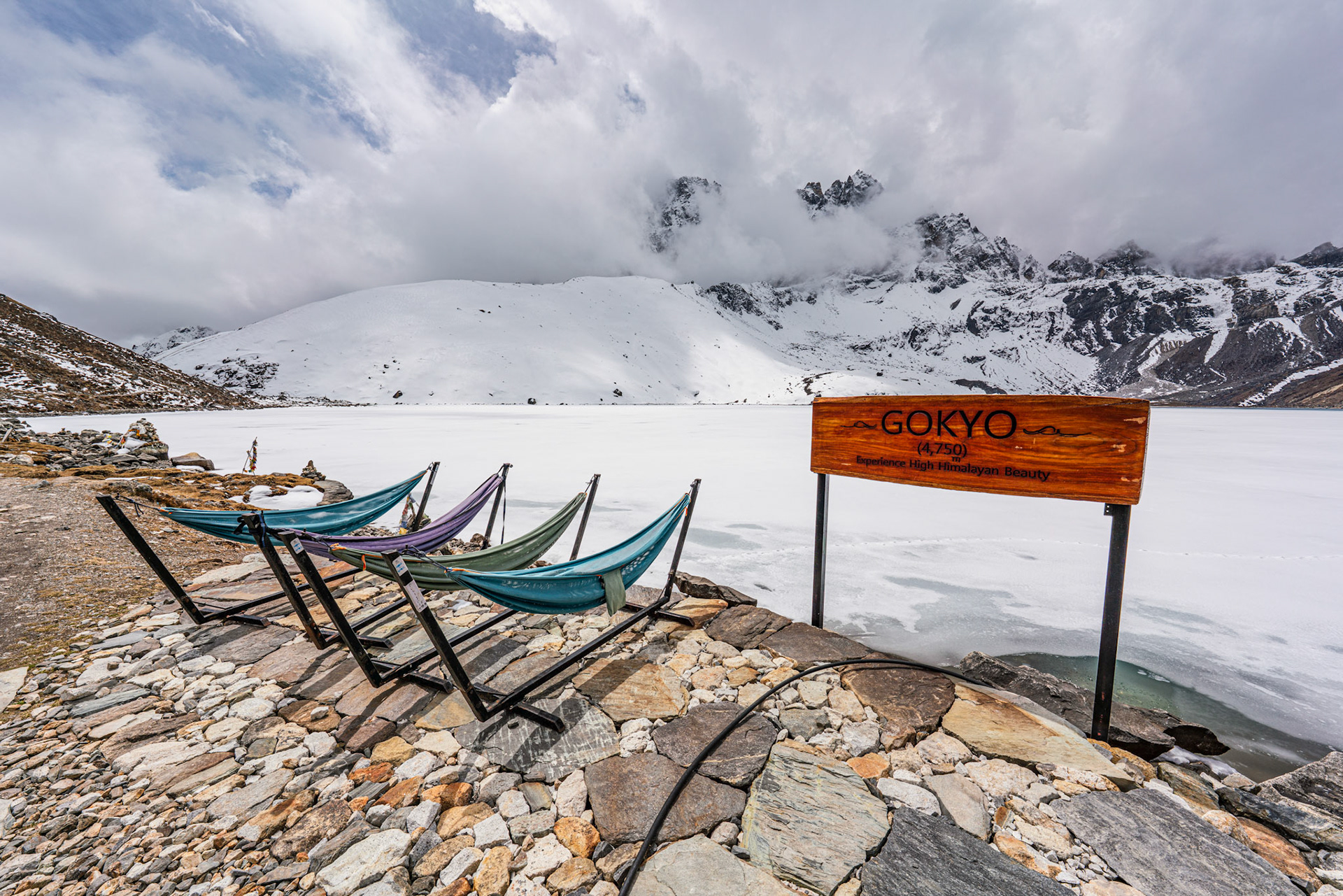
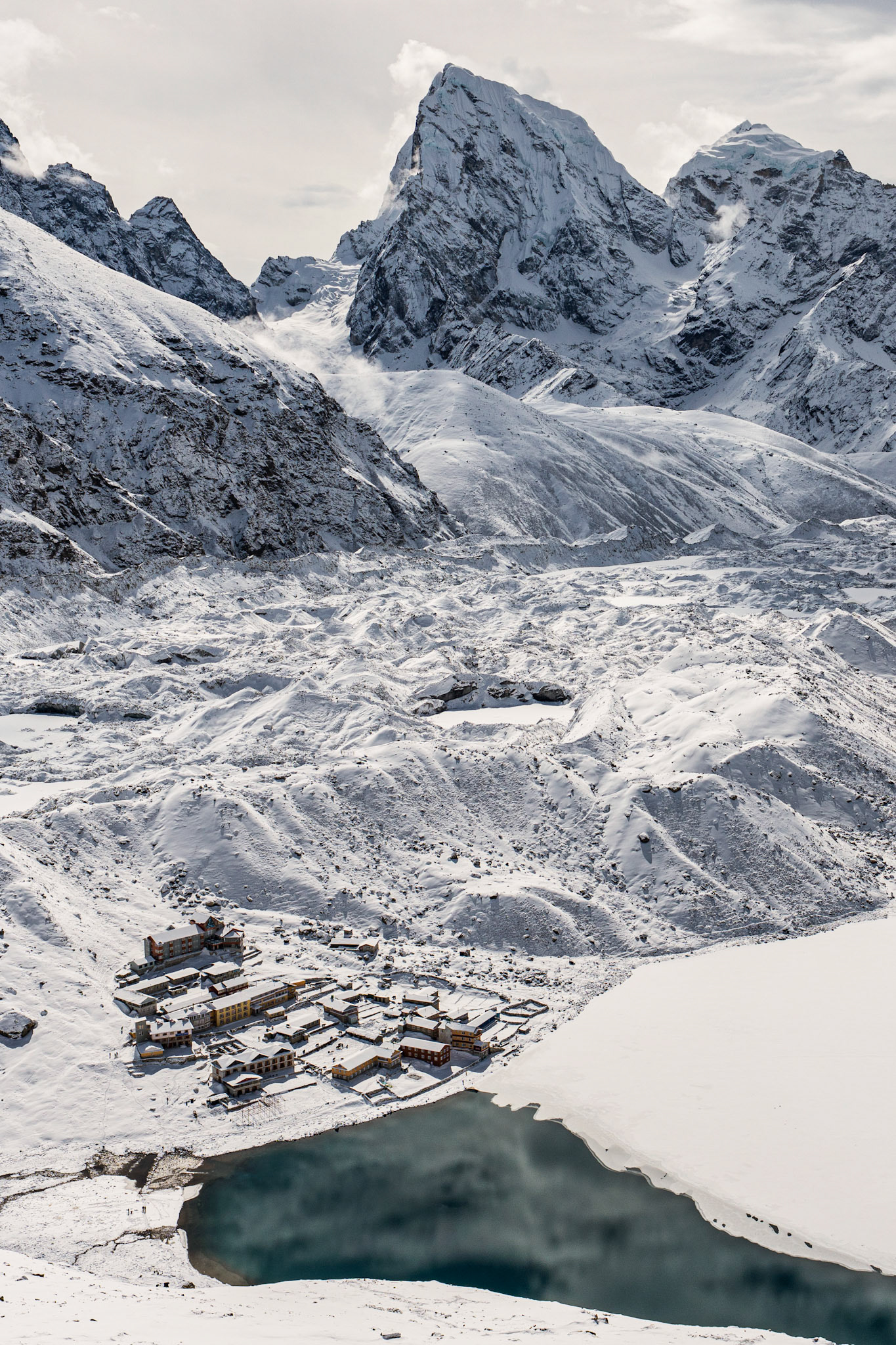
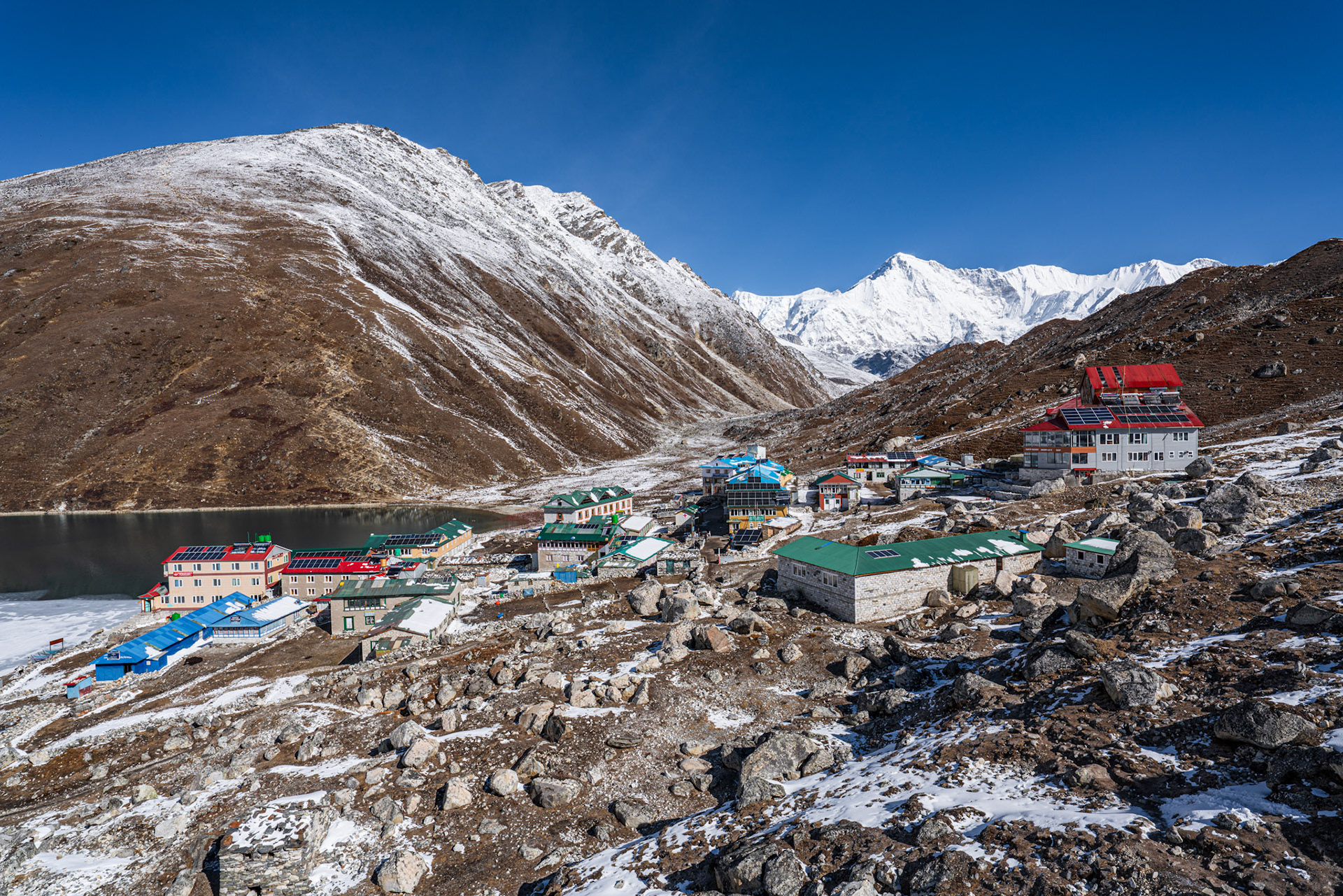
The route from Namche Bazaar to Gokyo leads deeper into the Khumbu, away from the classic Everest Base Camp trail and into one of the most scenic valleys of the region. The path passes through quiet Sherpa villages, high alpine landscapes, yak pastures, and wide views of snow-covered Himalayan peaks.
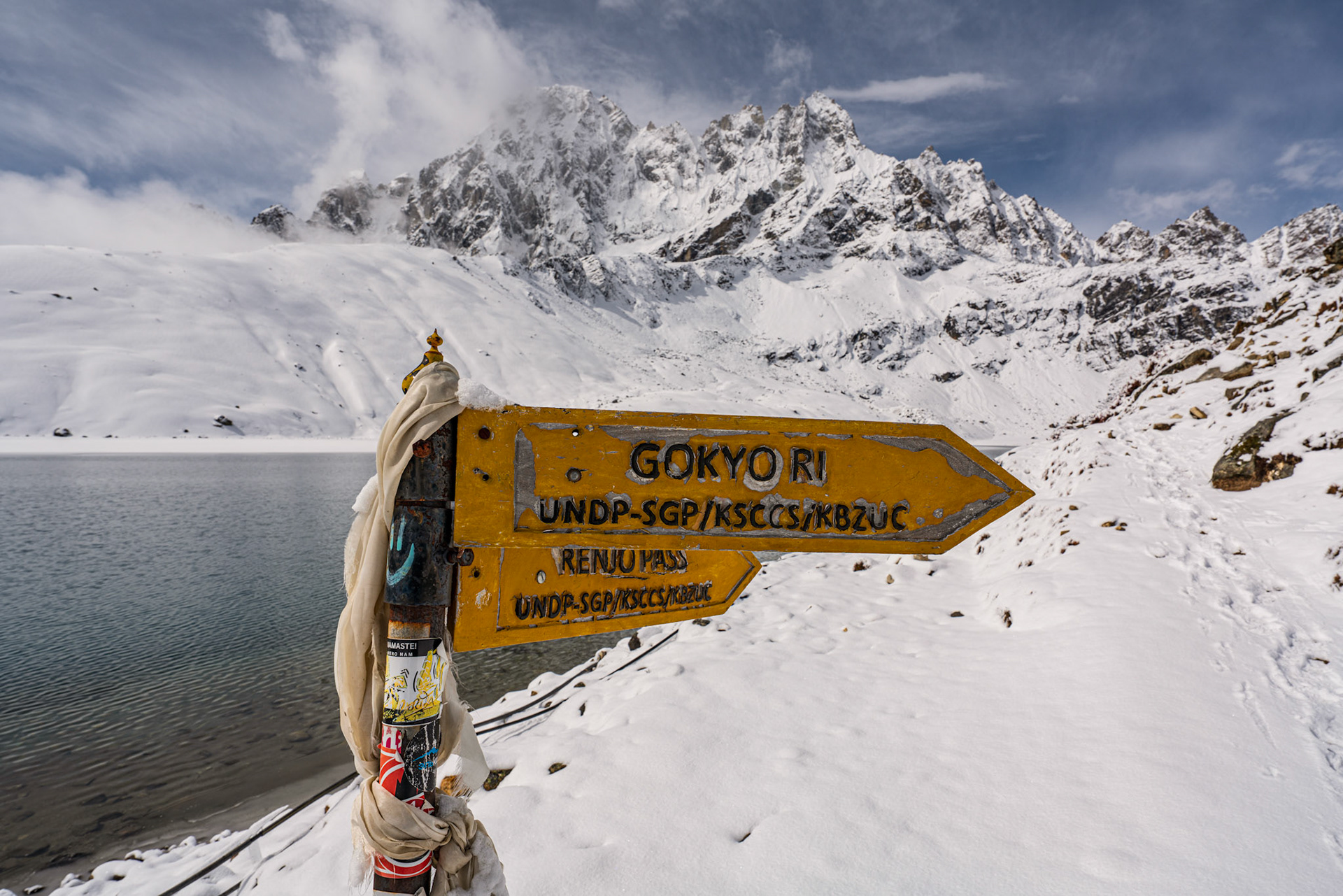
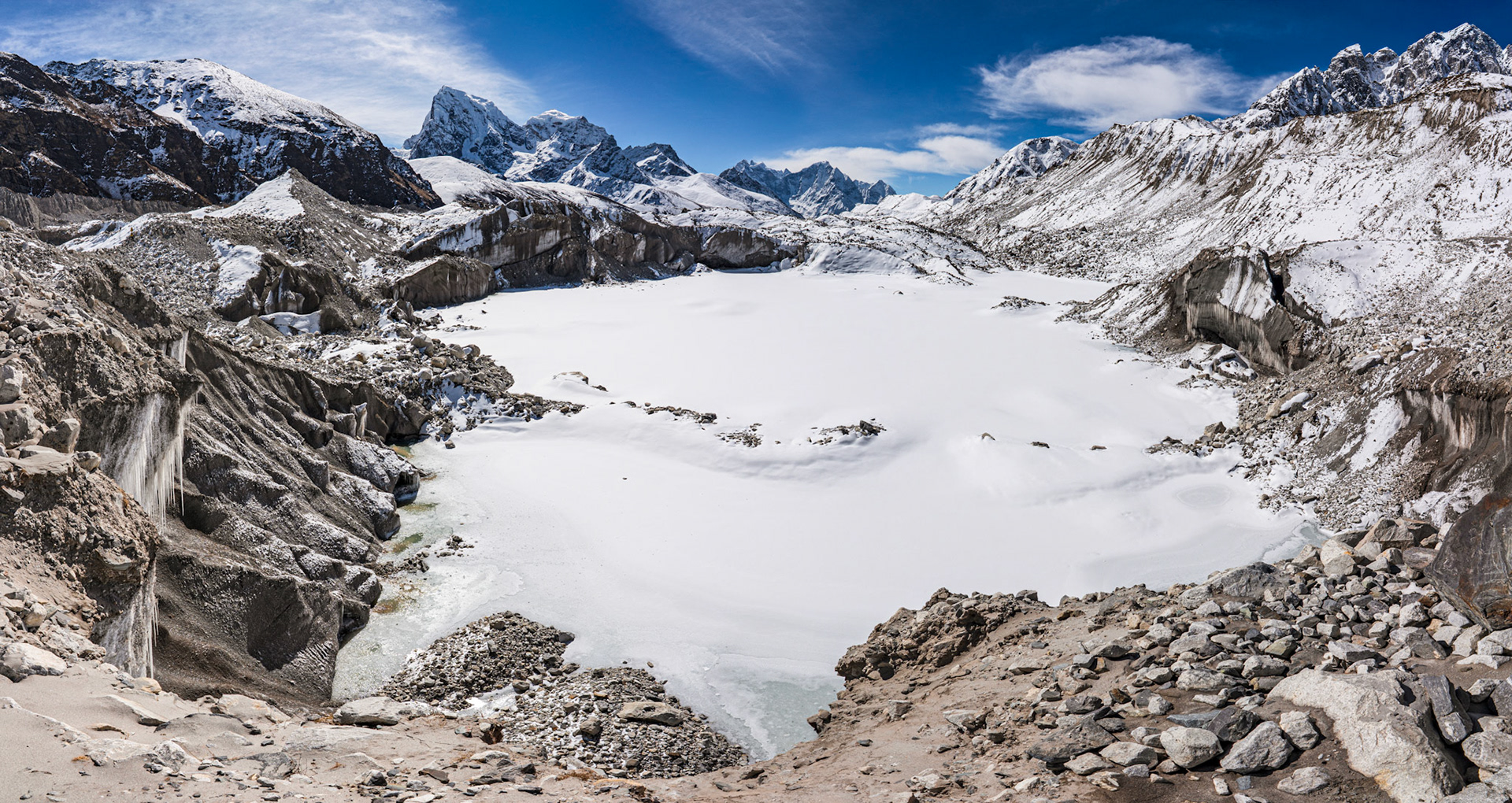
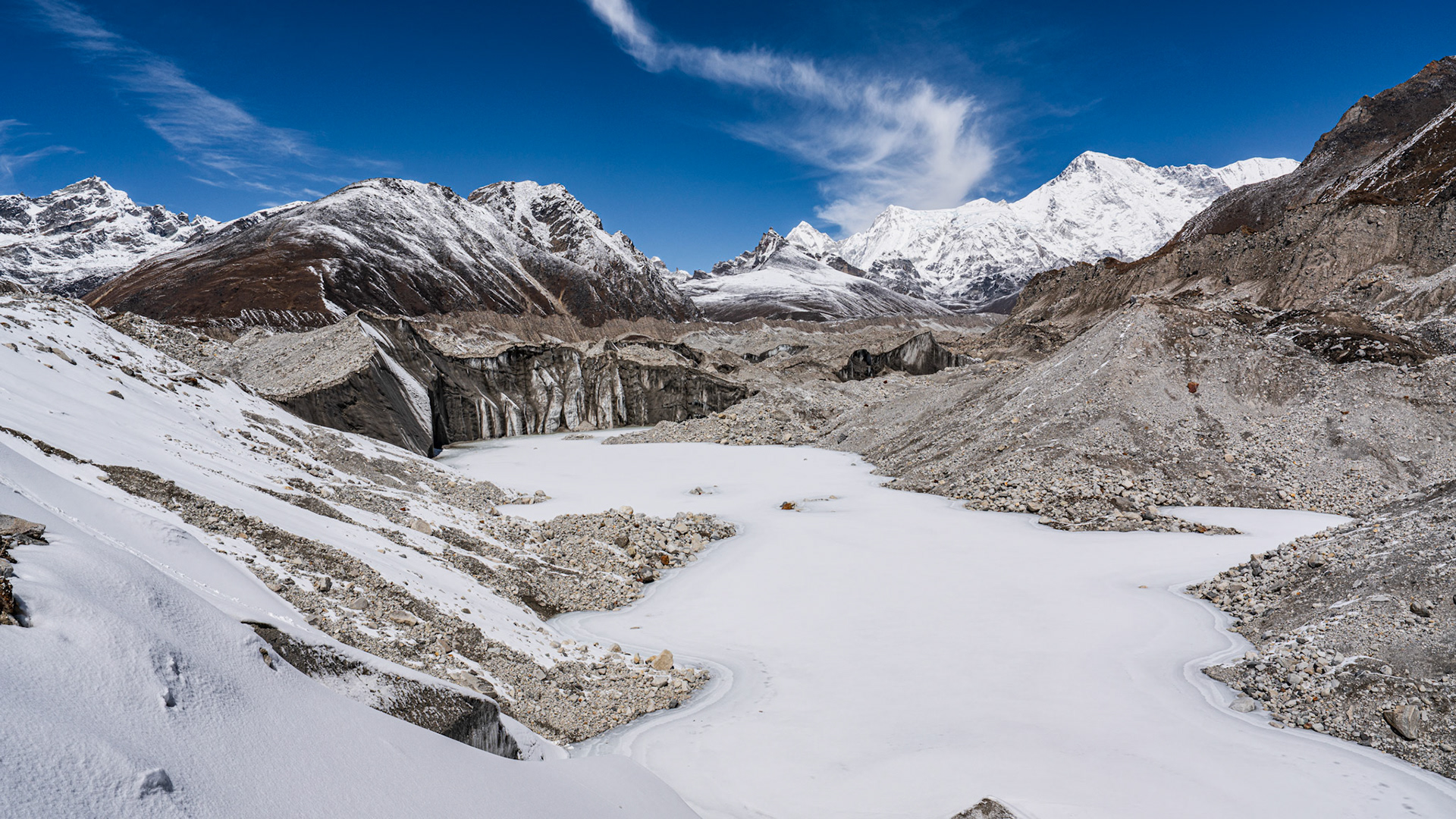
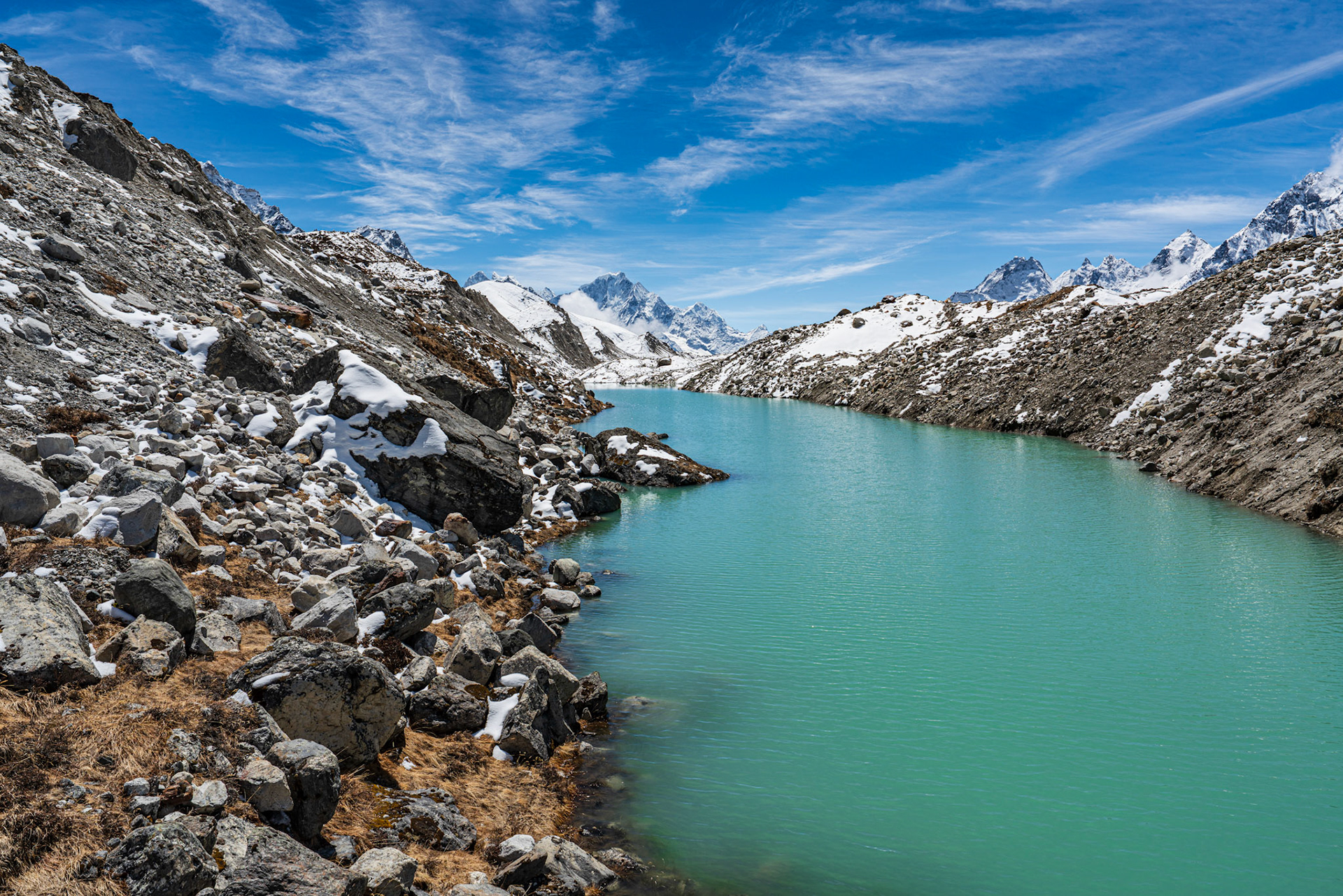
A highlight of this section is the arrival at the turquoise Gokyo Lakes, surrounded by glaciers and towering mountains. From Gokyo, the climb to Gokyo Ri at 5'357 meters offers one of the finest viewpoints in Nepal, with breathtaking panoramas of Everest, Lhotse, Makalu, and Cho Oyu, four of the world’s 8'000-meter peaks.

Gokyo to Gorak Shep: Accross Cho La Pass
4'790m - 5'140m
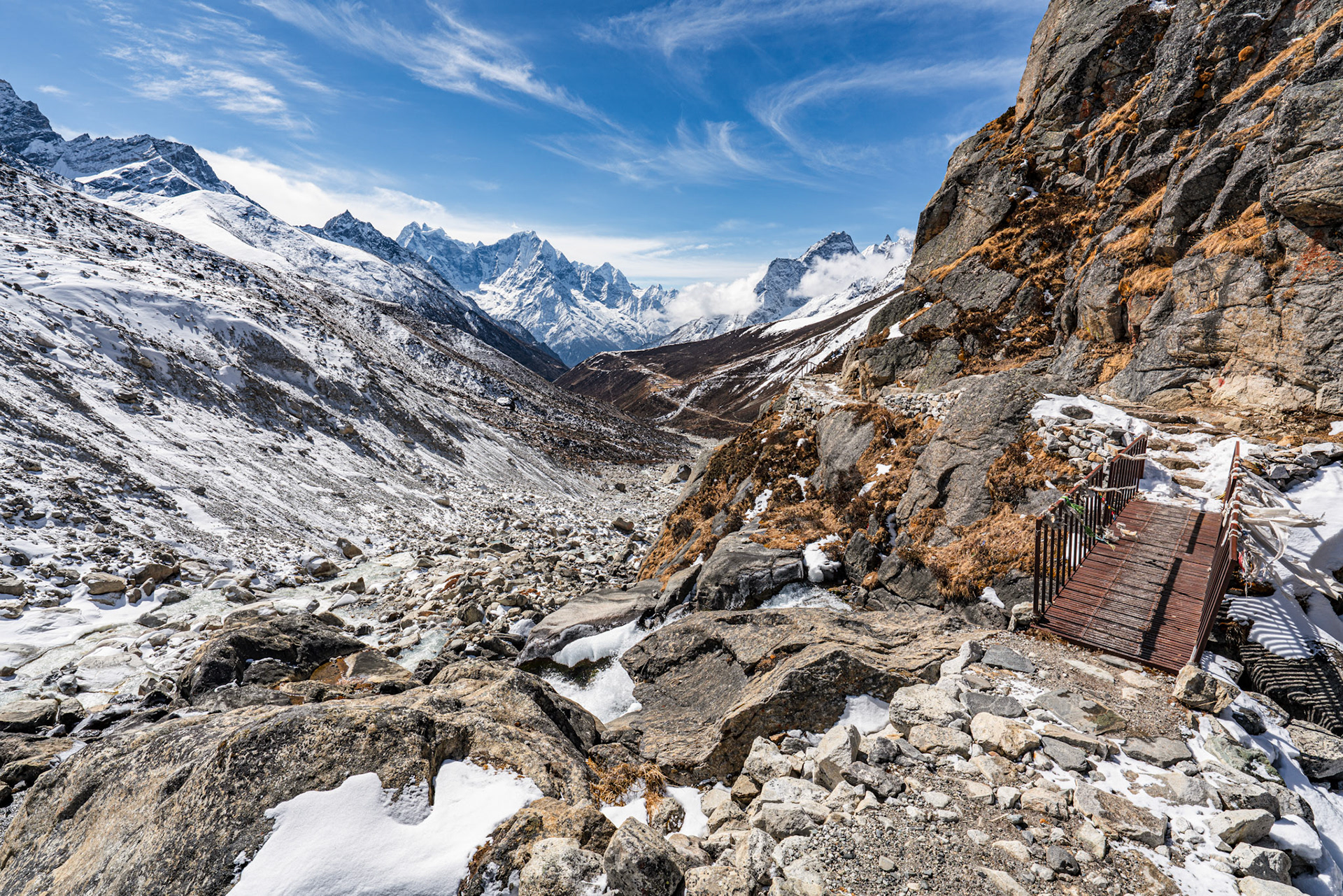
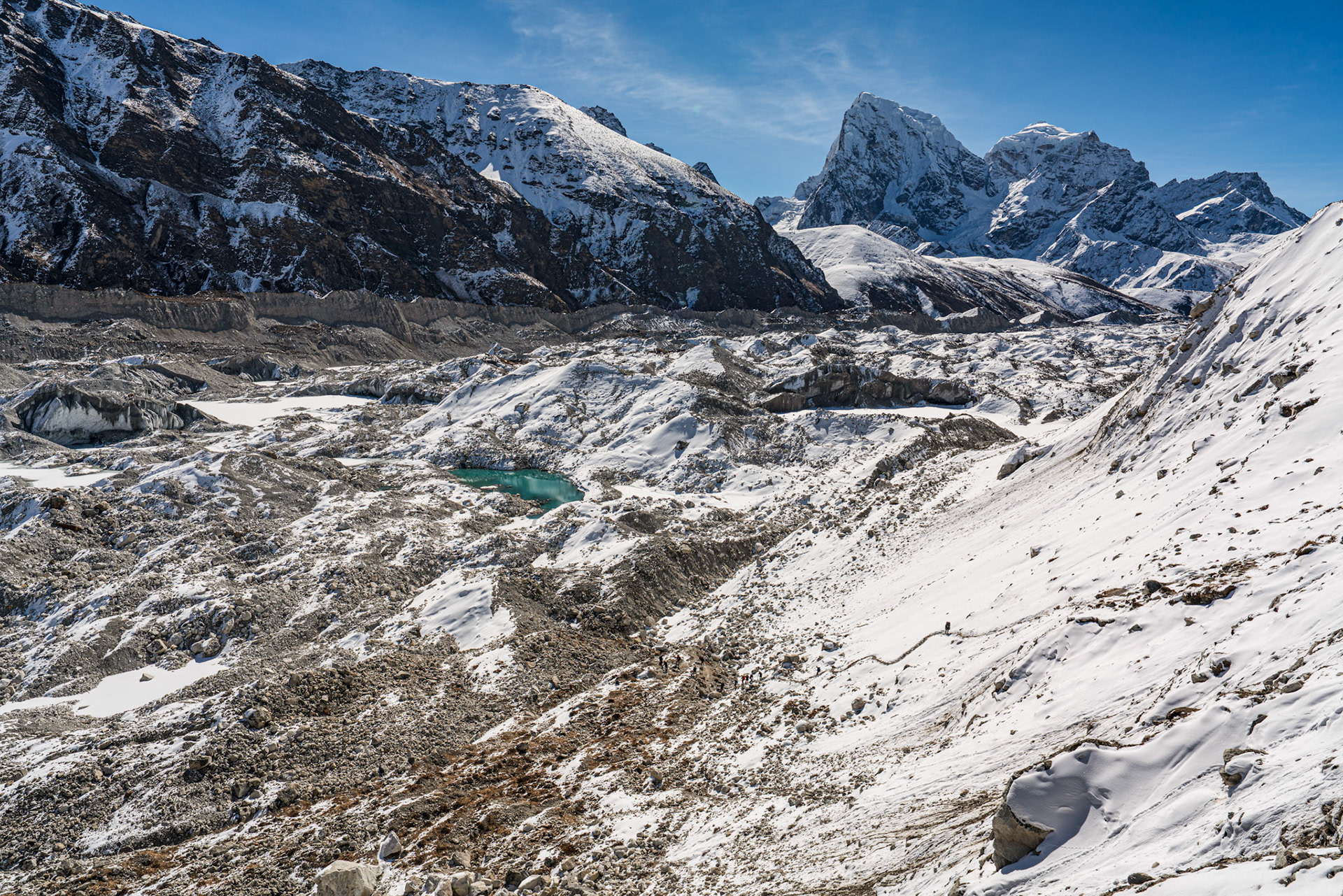
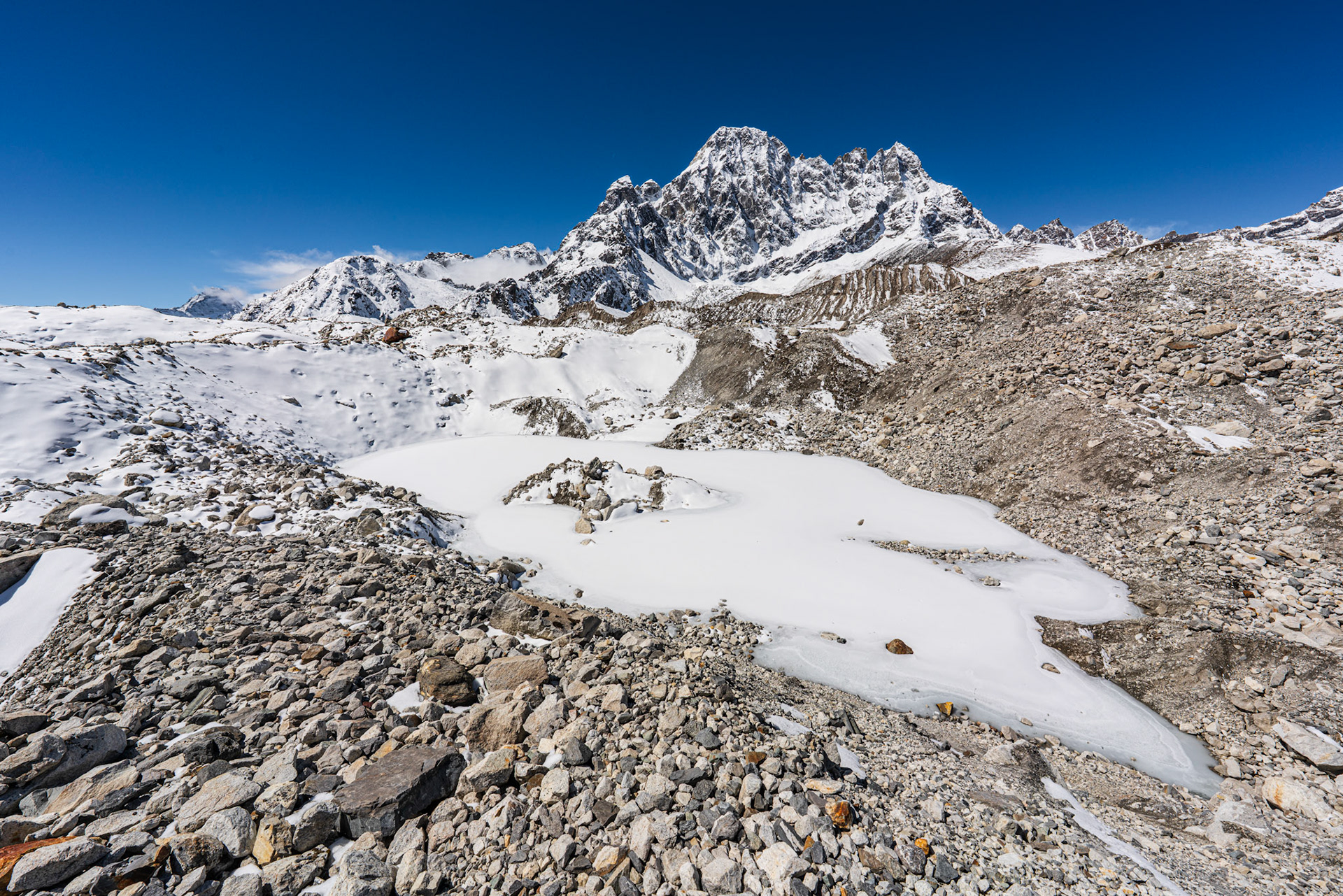
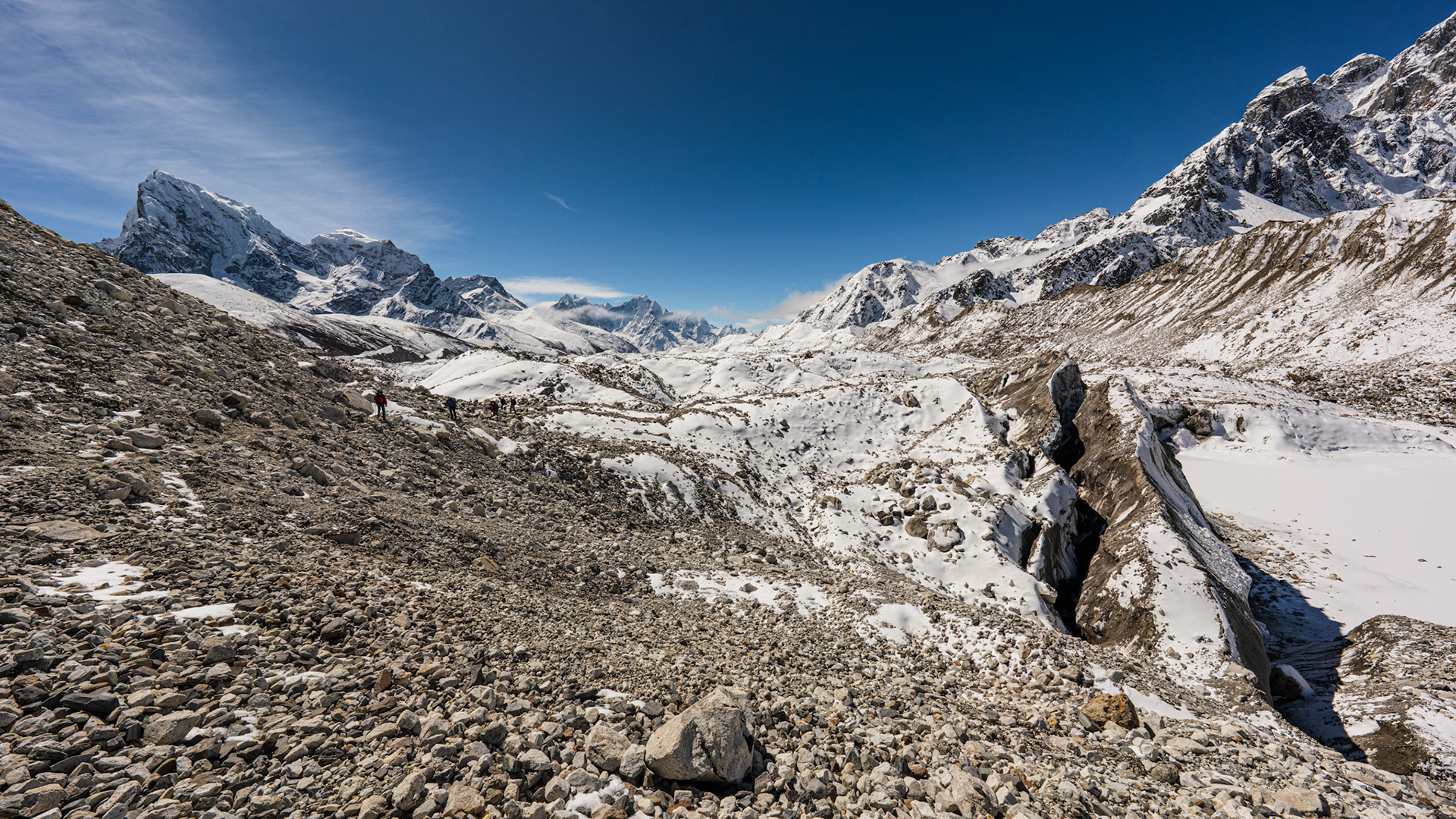
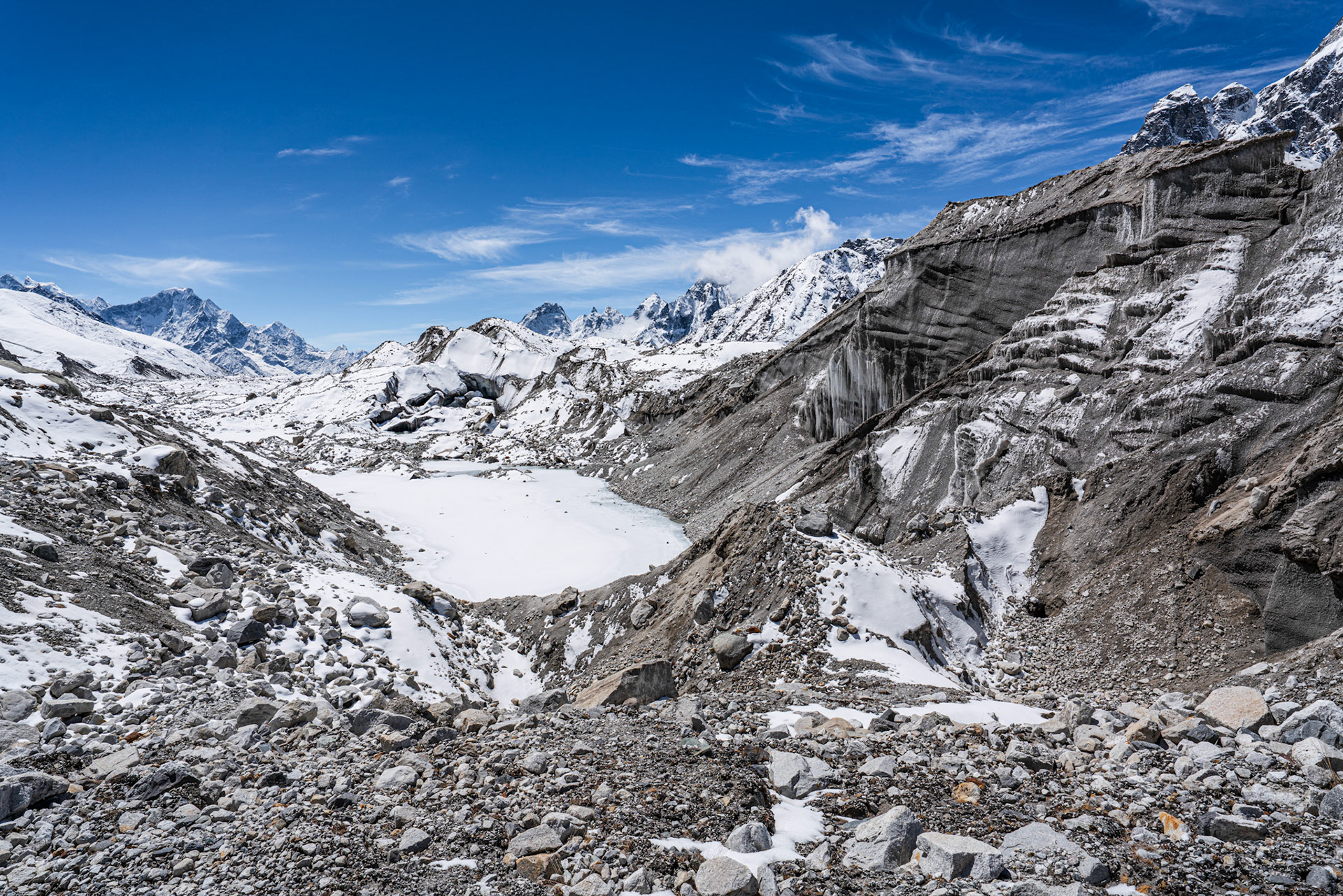
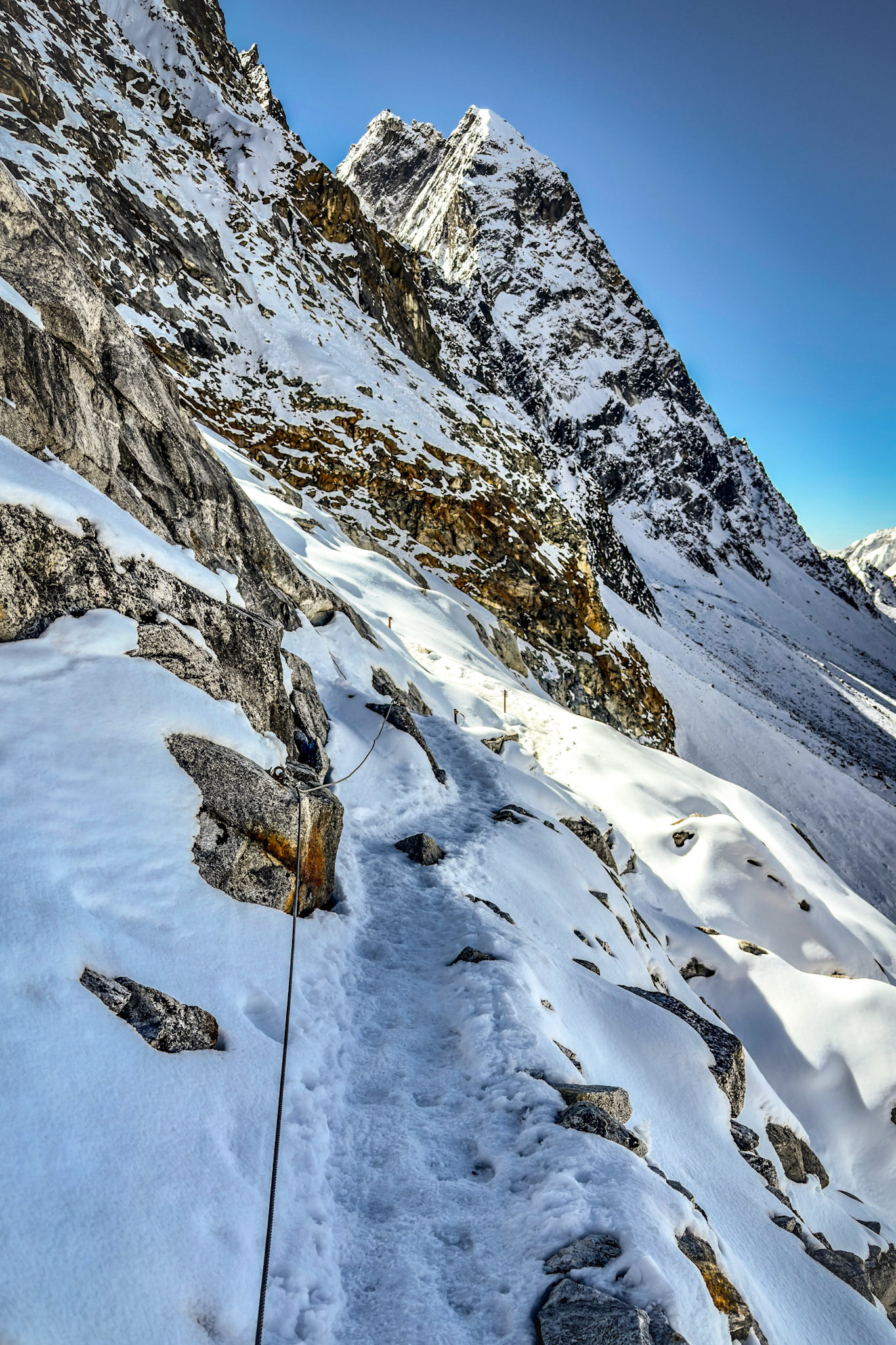
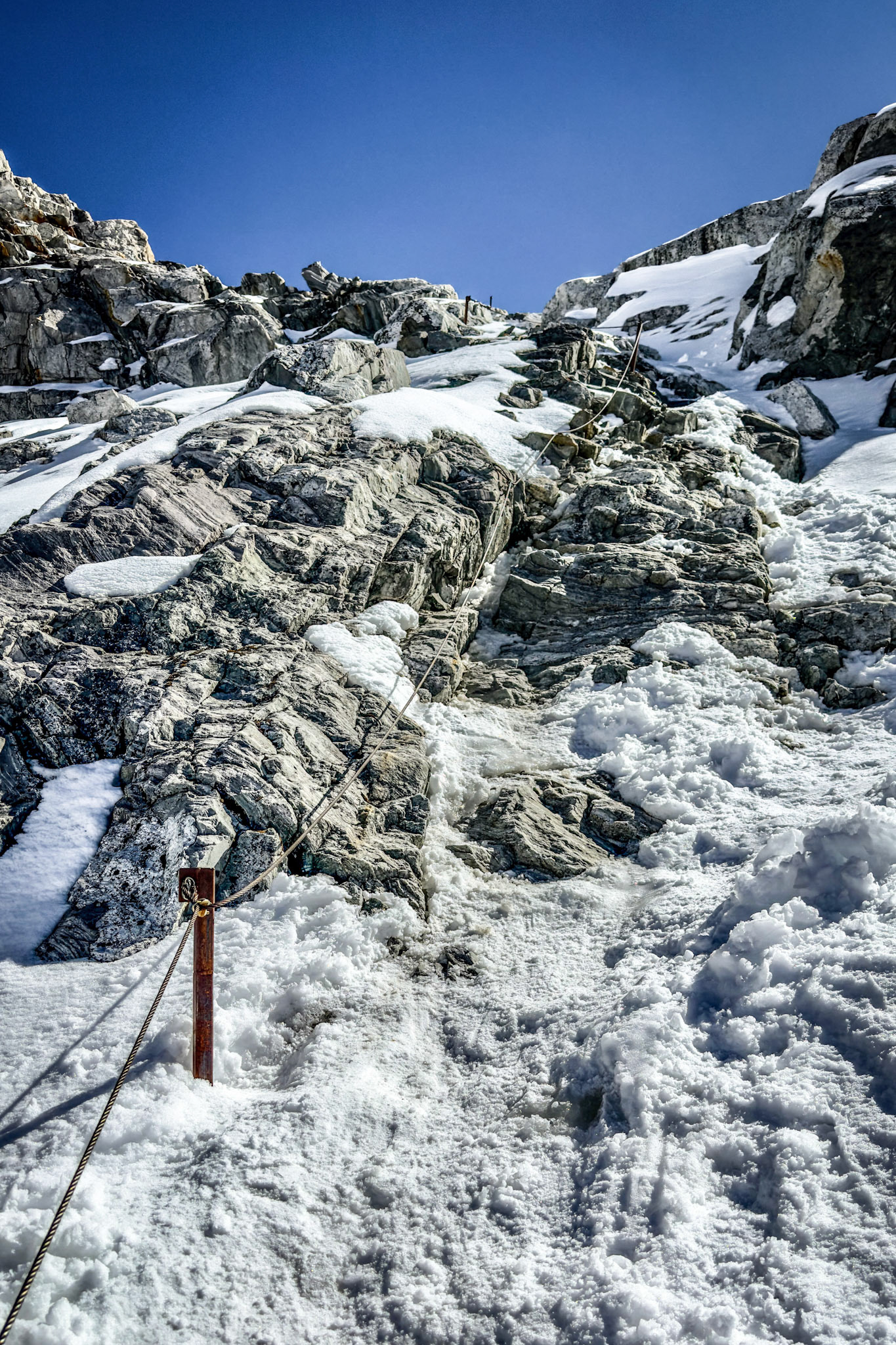
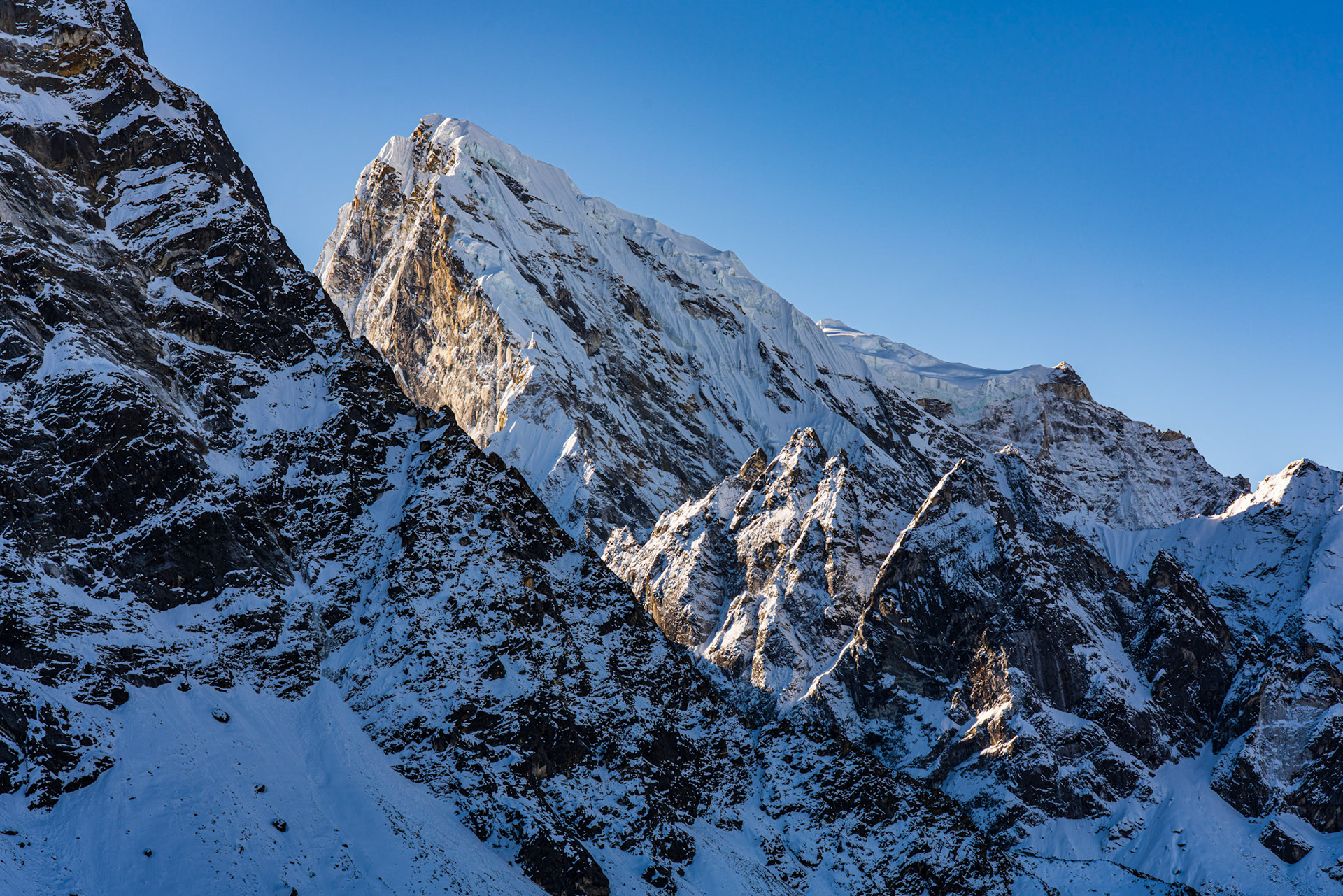
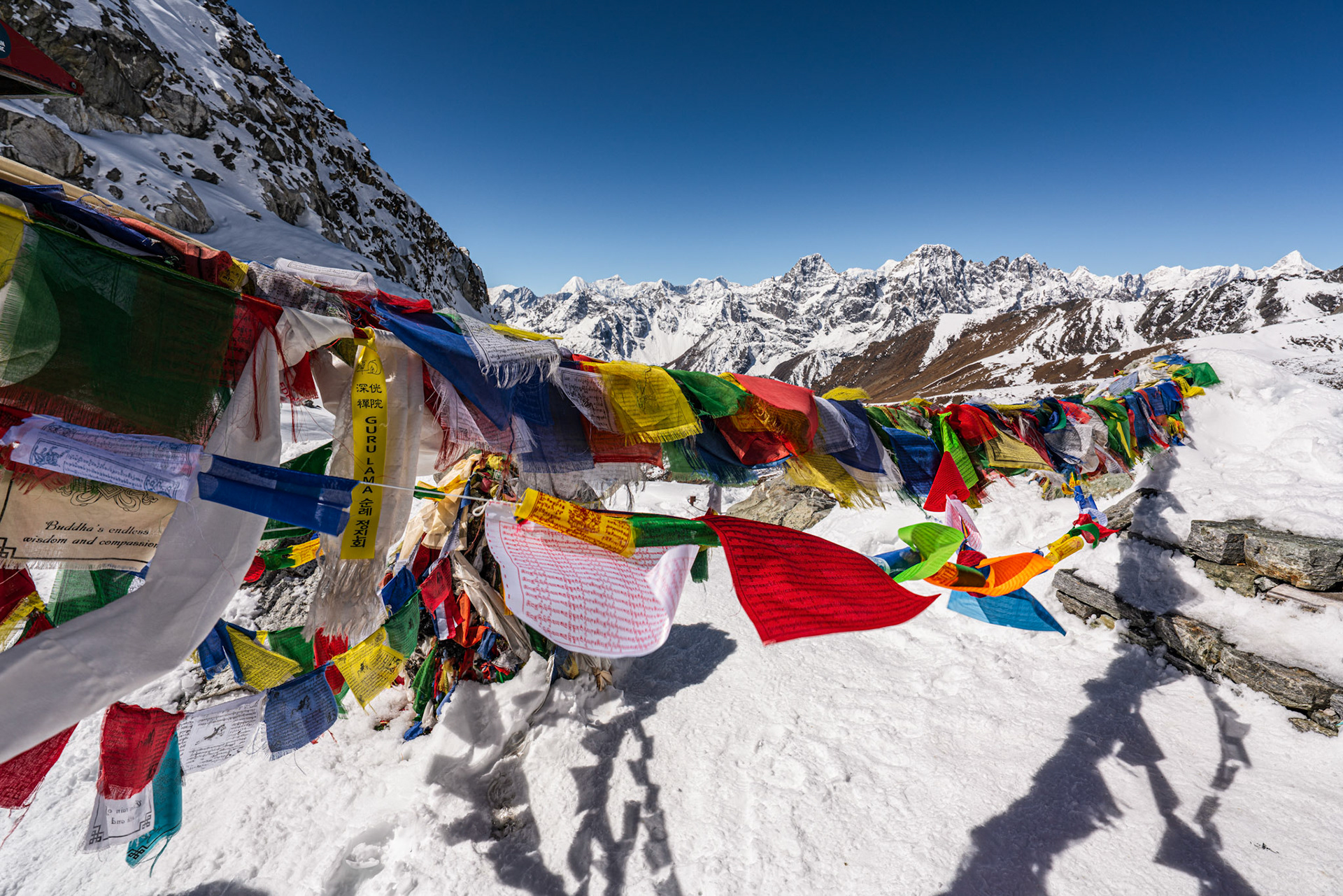
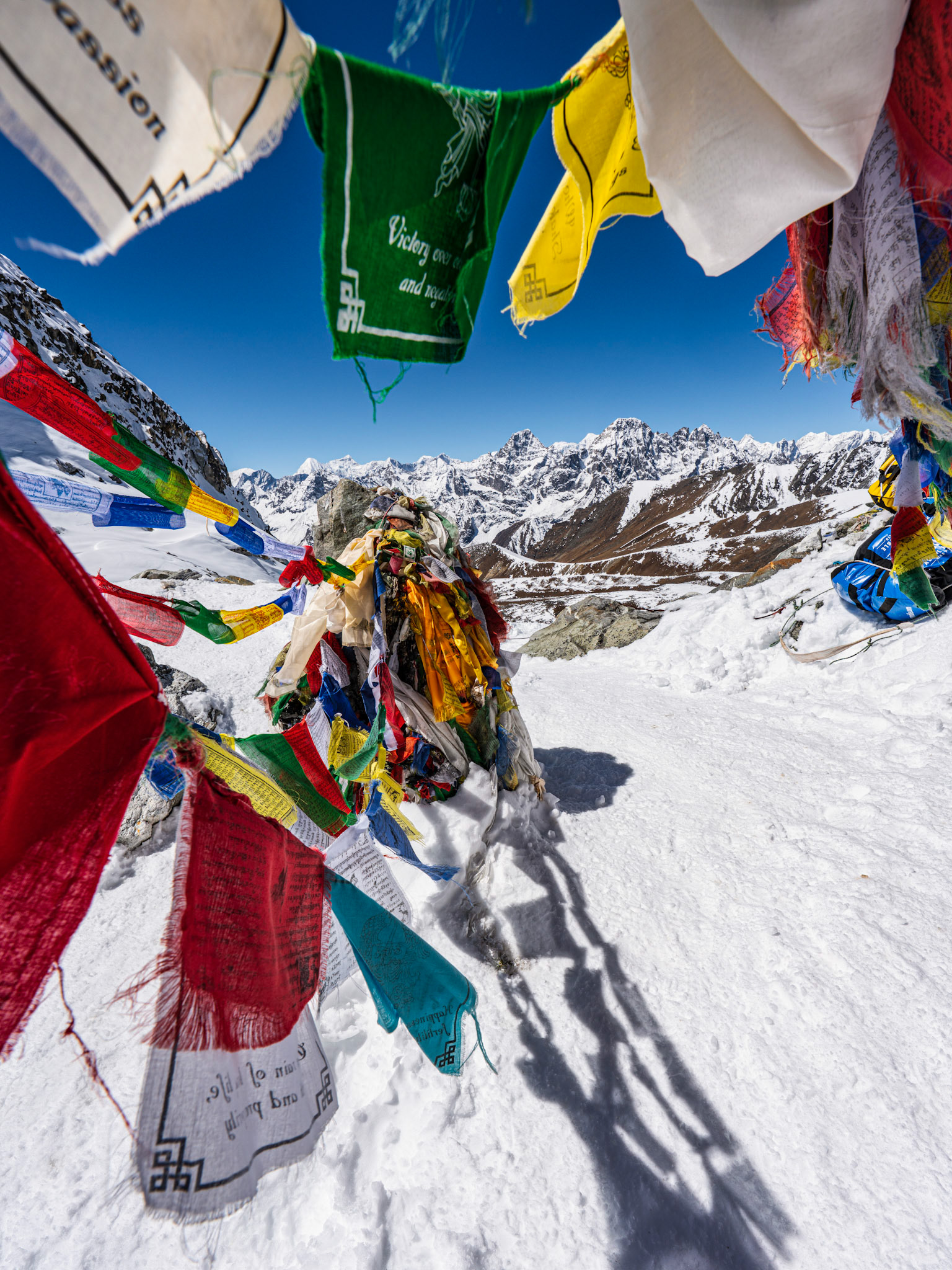
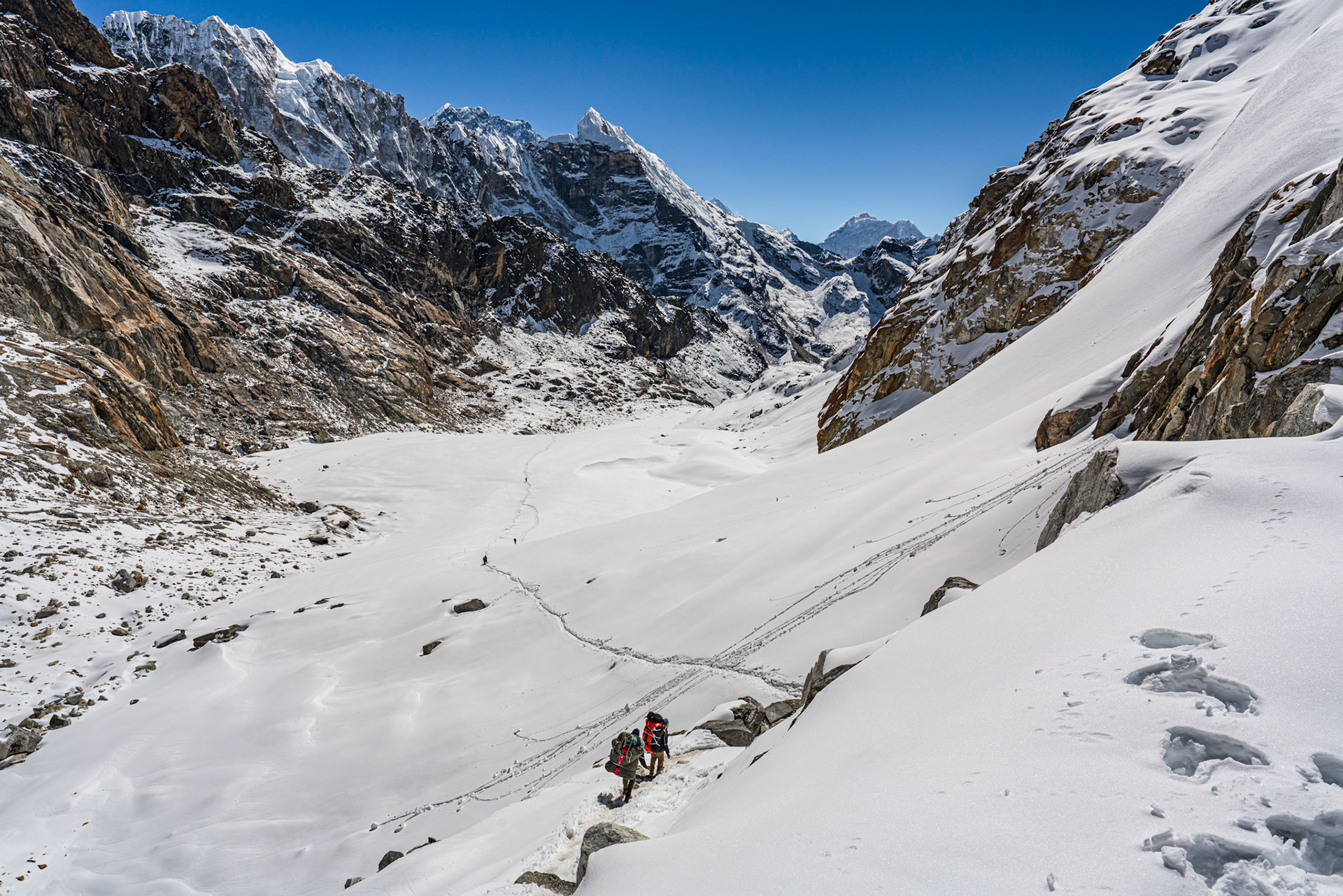
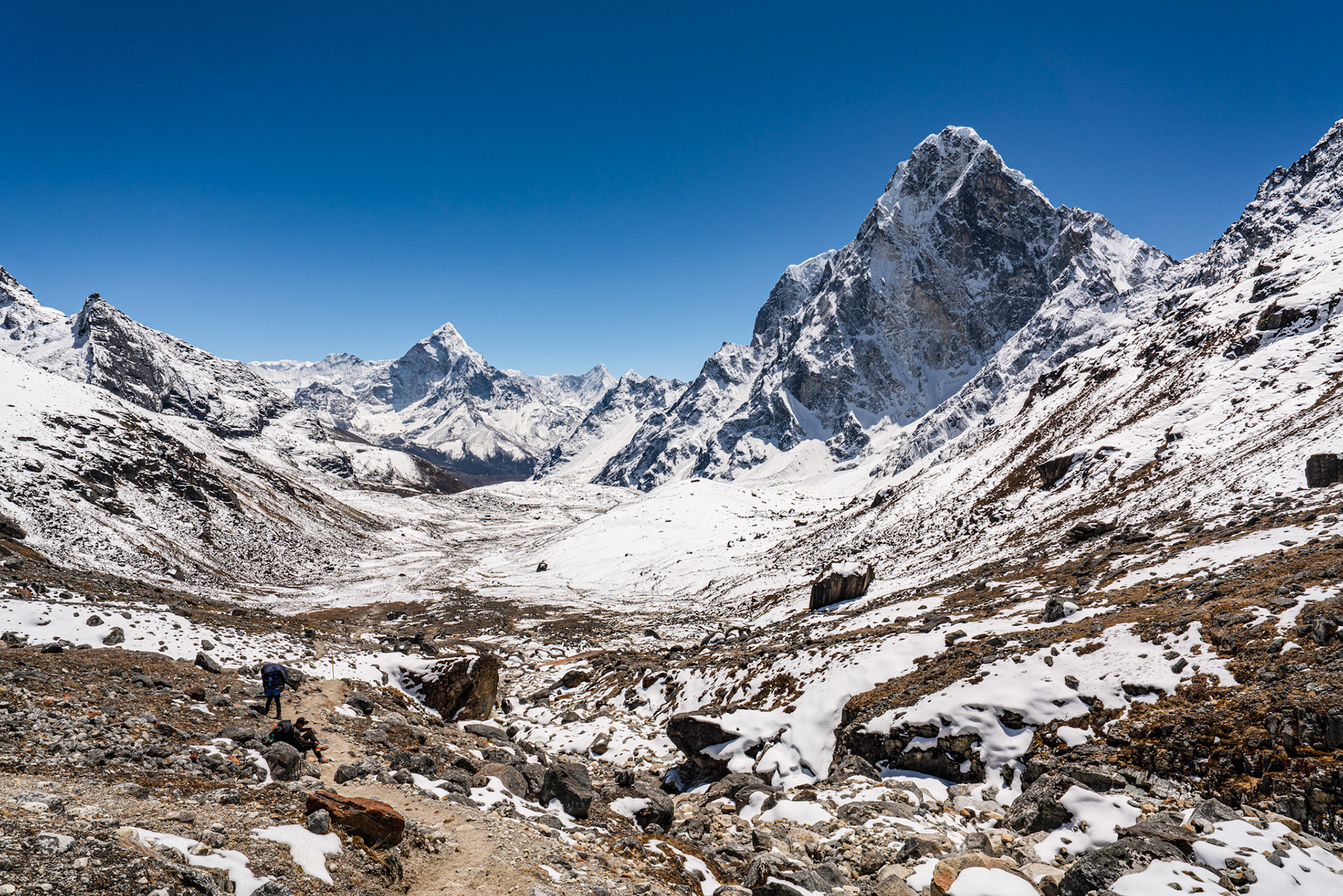
The trek from Gokyo to Gorak Shep over Cho La Pass is one of the most demanding and dramatic sections of the route. Leaving the peaceful Gokyo Lakes behind, the trail crosses rugged glacier terrain, rocky paths, and high alpine landscapes before reaching the pass at around 5'420 meters.
Cho La Pass connects the Gokyo Valley with the classic Everest Base Camp trail and offers an intense feeling of true Himalayan adventure. After the crossing, the route continues toward Dzongla, Lobuche, and finally Gorak Shep, the last settlement before Everest Base Camp and Kala Patthar.

Everest Climbers Memorial
Remembering Those Who Stayed on the Mountain
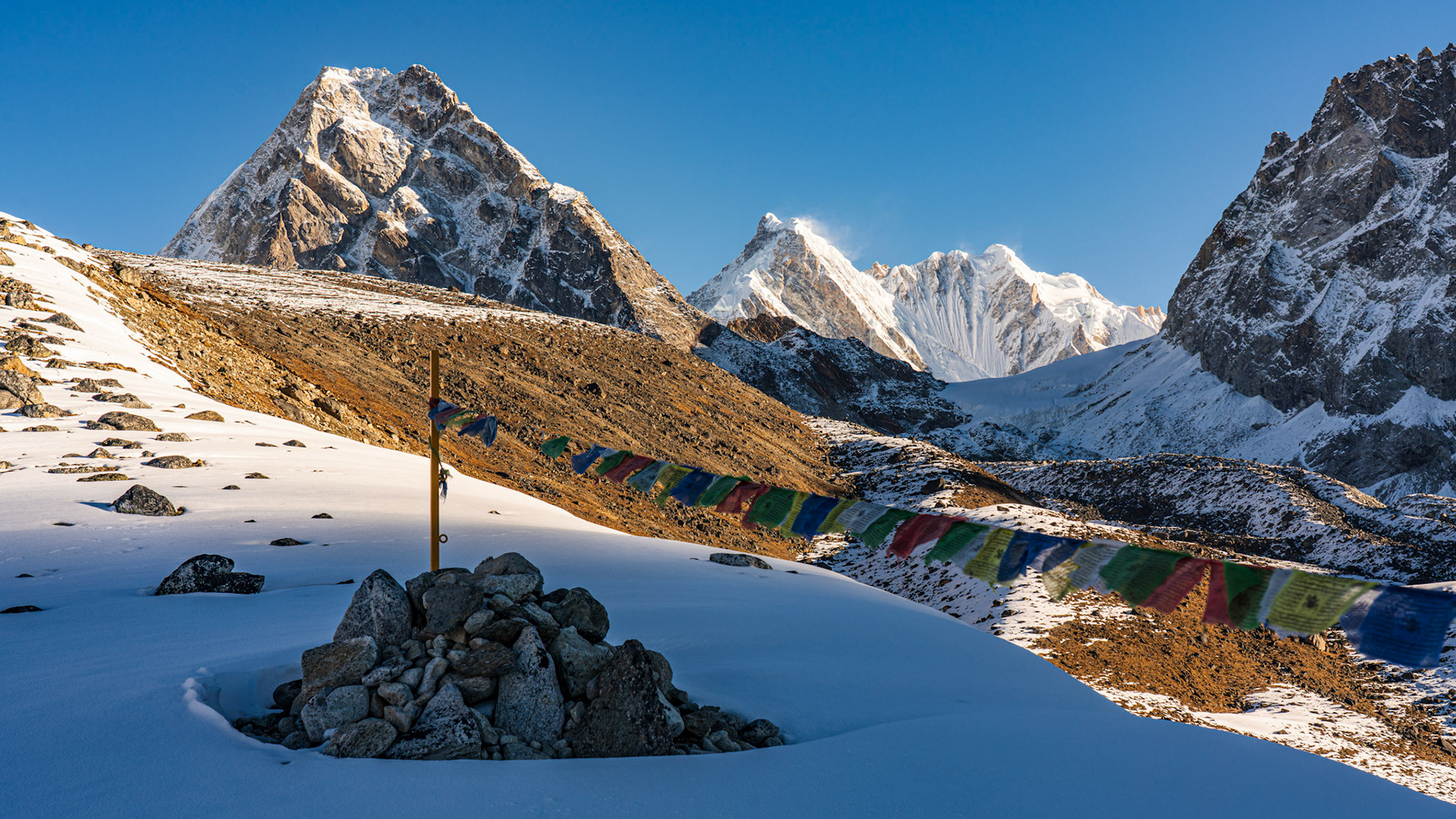
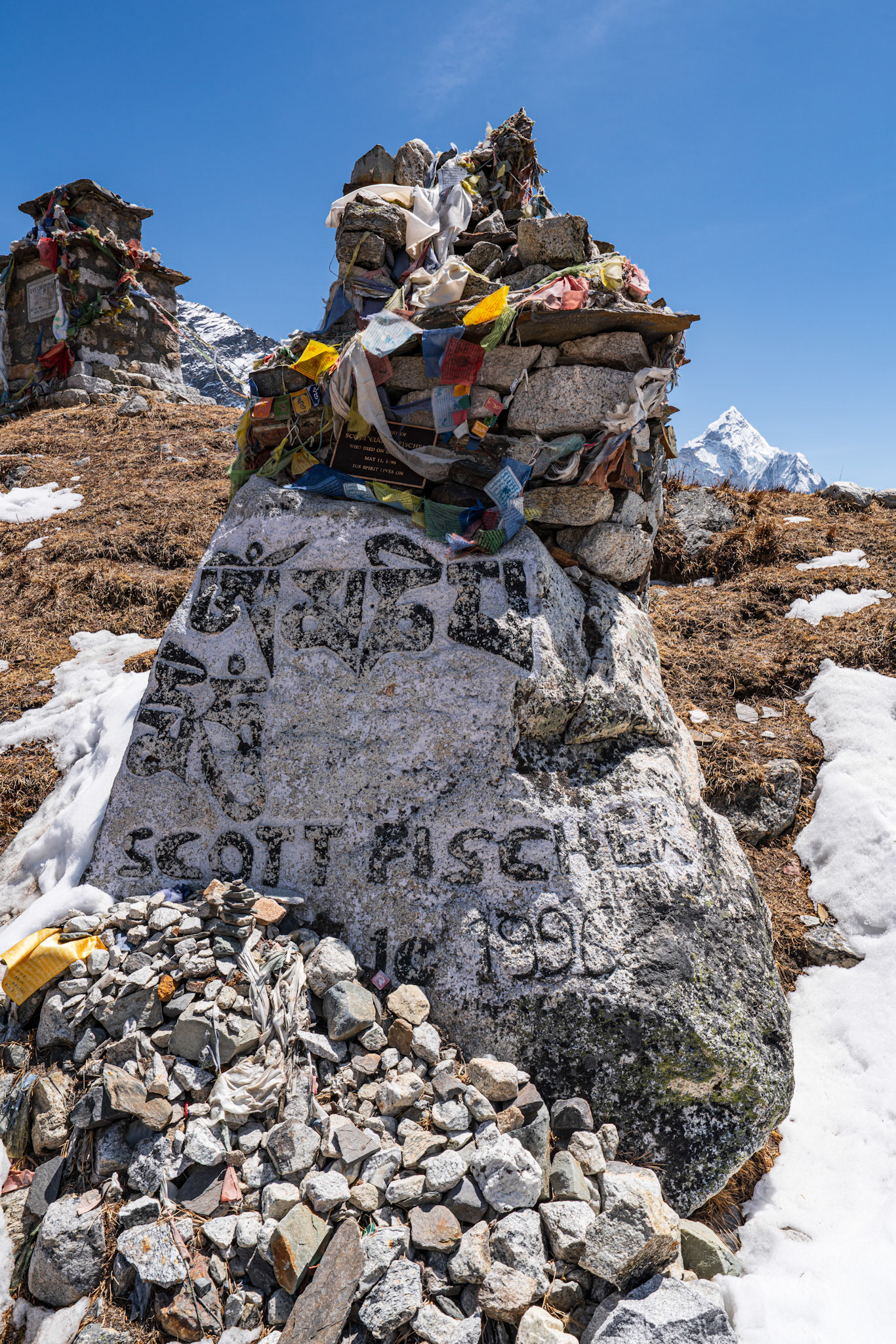
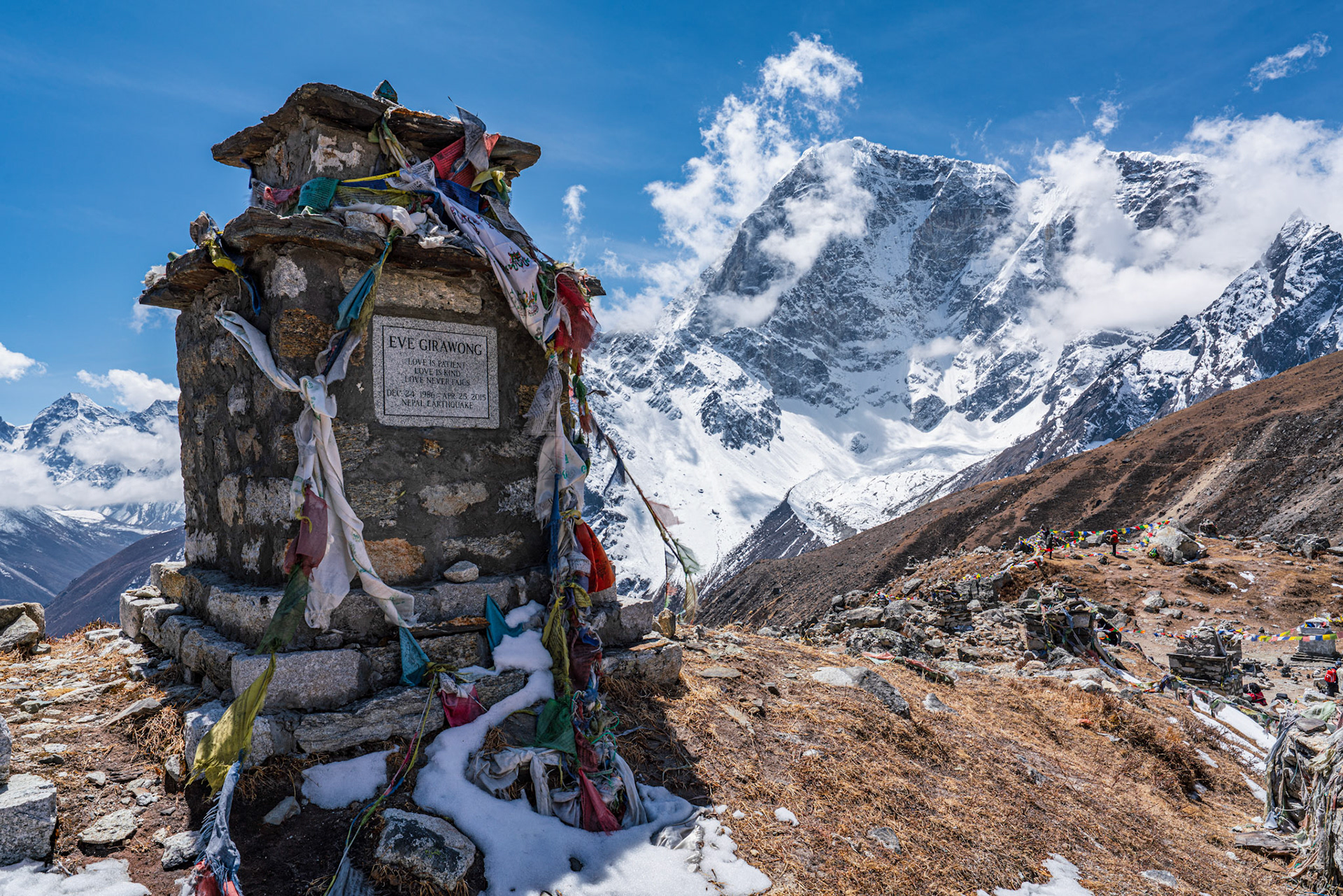
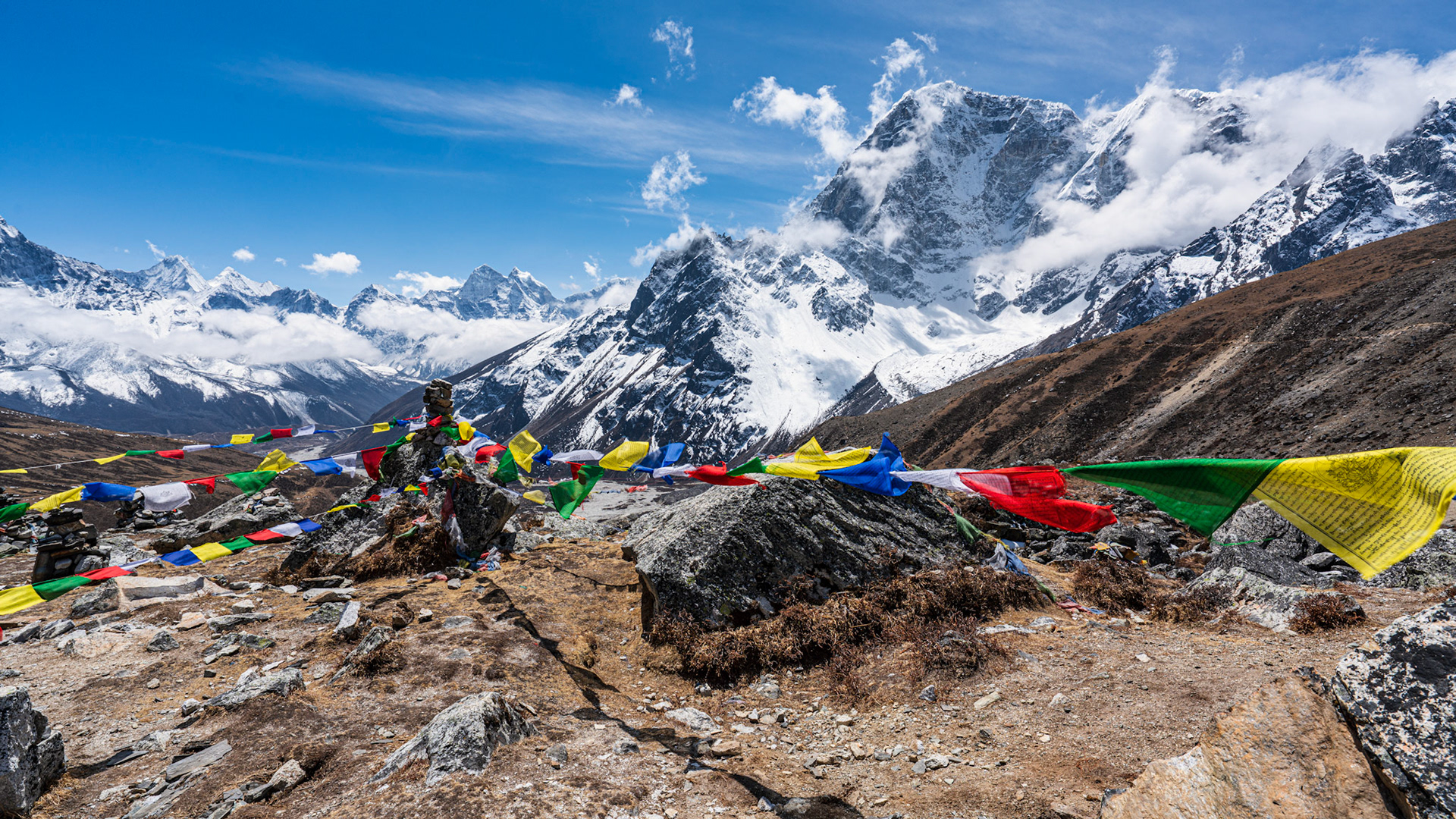
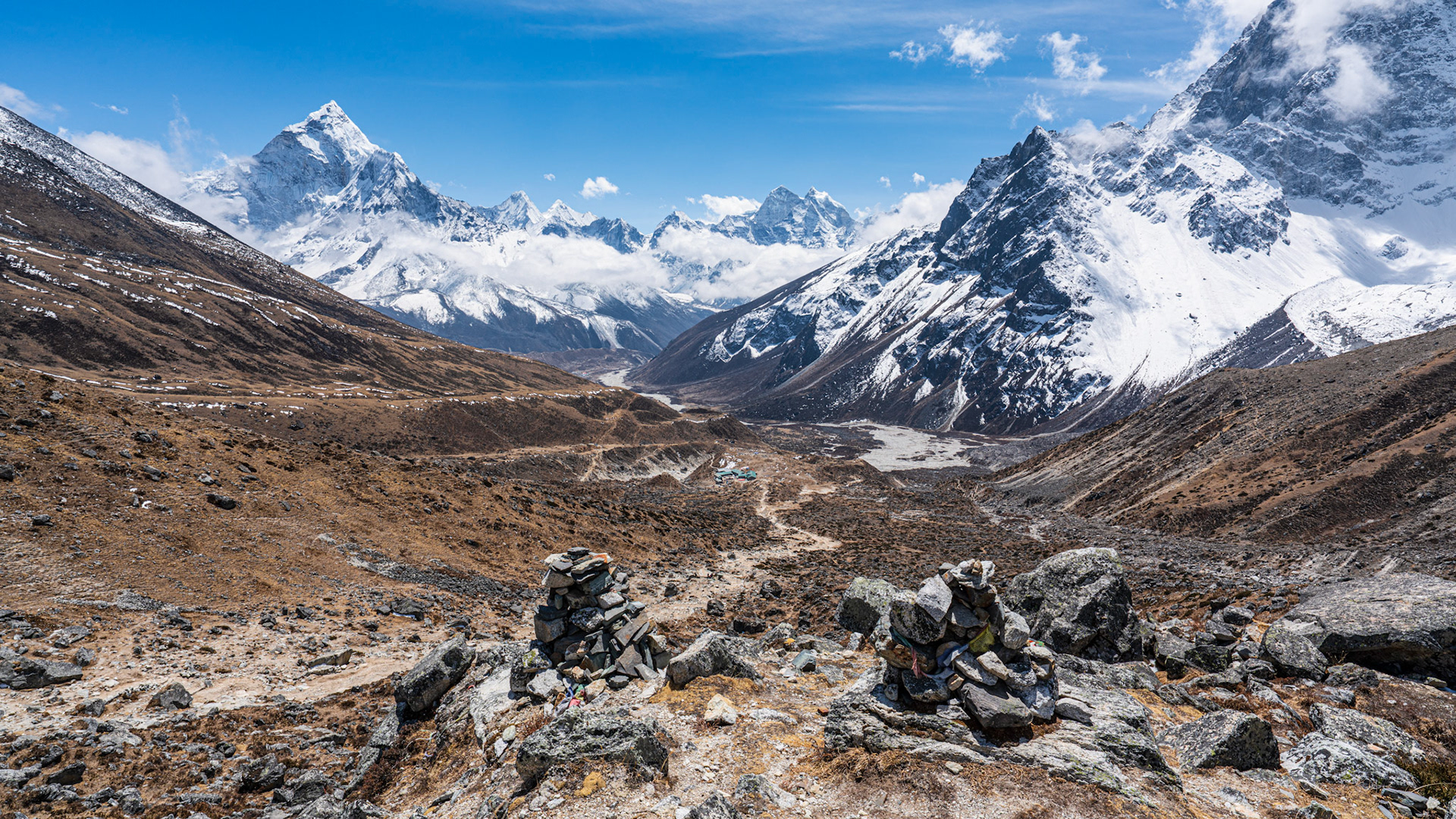
The Everest Climbers Memorial, near the trail between Dughla and Lobuche, is one of the most emotional places on the route to Everest Base Camp. Surrounded by Himalayan peaks, the stone memorials honor climbers and Sherpas who lost their lives on Everest.
Among the most well-known memorials is the one for Scott Fischer, the American mountain guide who died during the tragic 1996 Everest disaster, one of the most famous and widely documented tragedies in mountaineering history. The area also remembers climbers lost in later disasters, including Eve Girawong, a doctor who died in the devastating 2015 Everest Base Camp avalanche triggered by the Nepal earthquake.
Walking through the memorial is a powerful reminder that Everest is not only a place of beauty and achievement, but also of risk, respect, and remembrance.
Gorak Shep to Everest Base Camp: The Final Approach
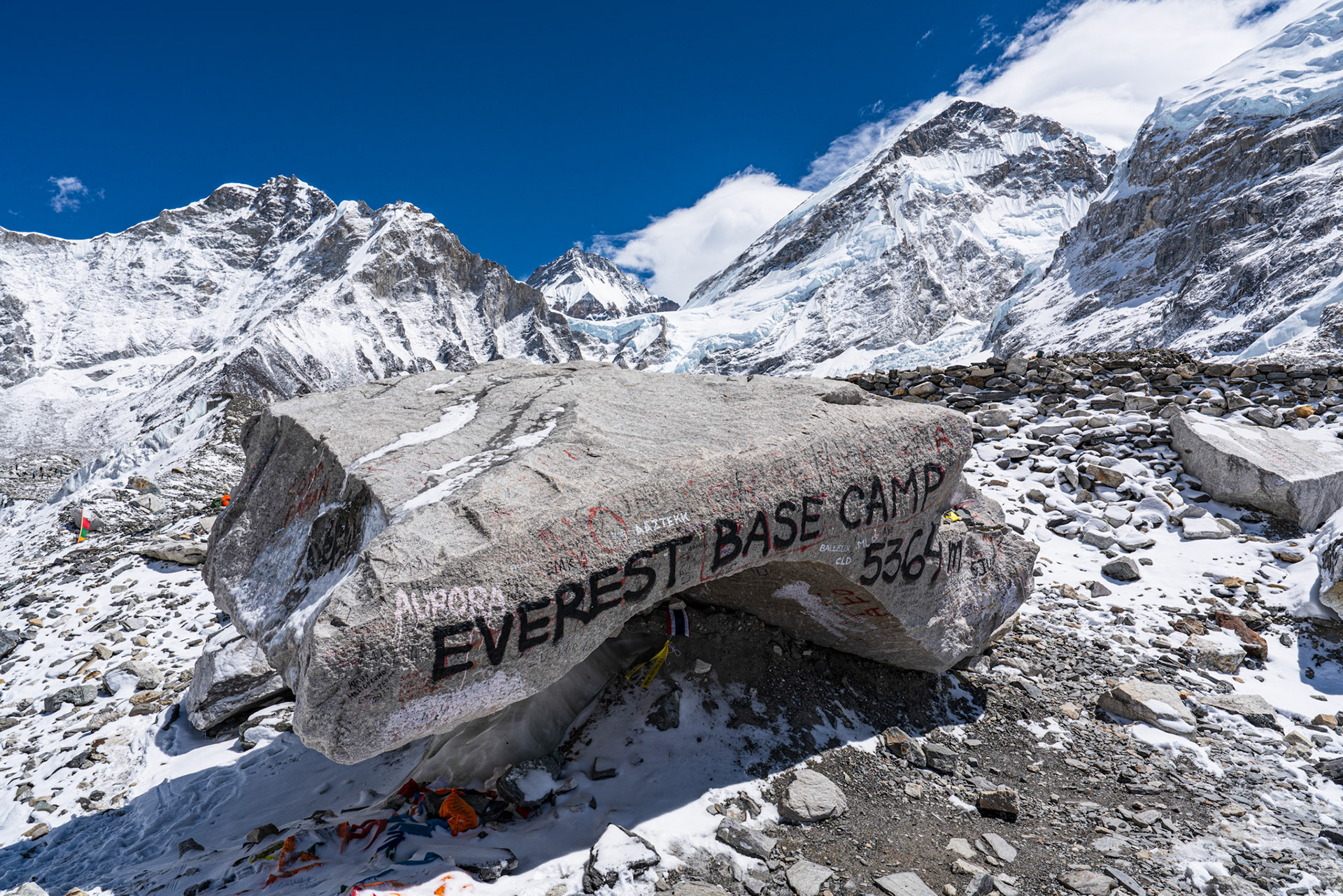
5'140m - 5'364m
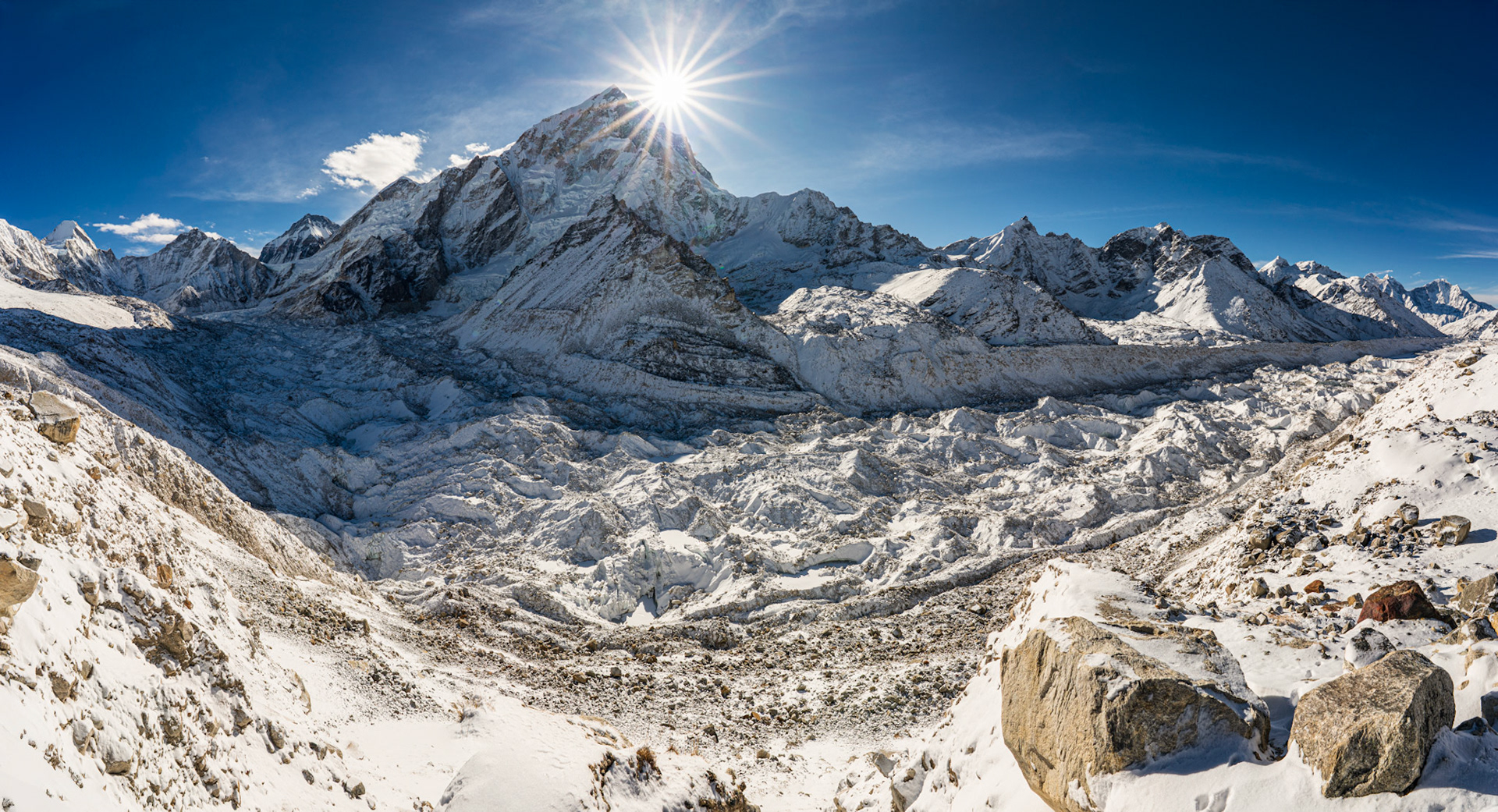
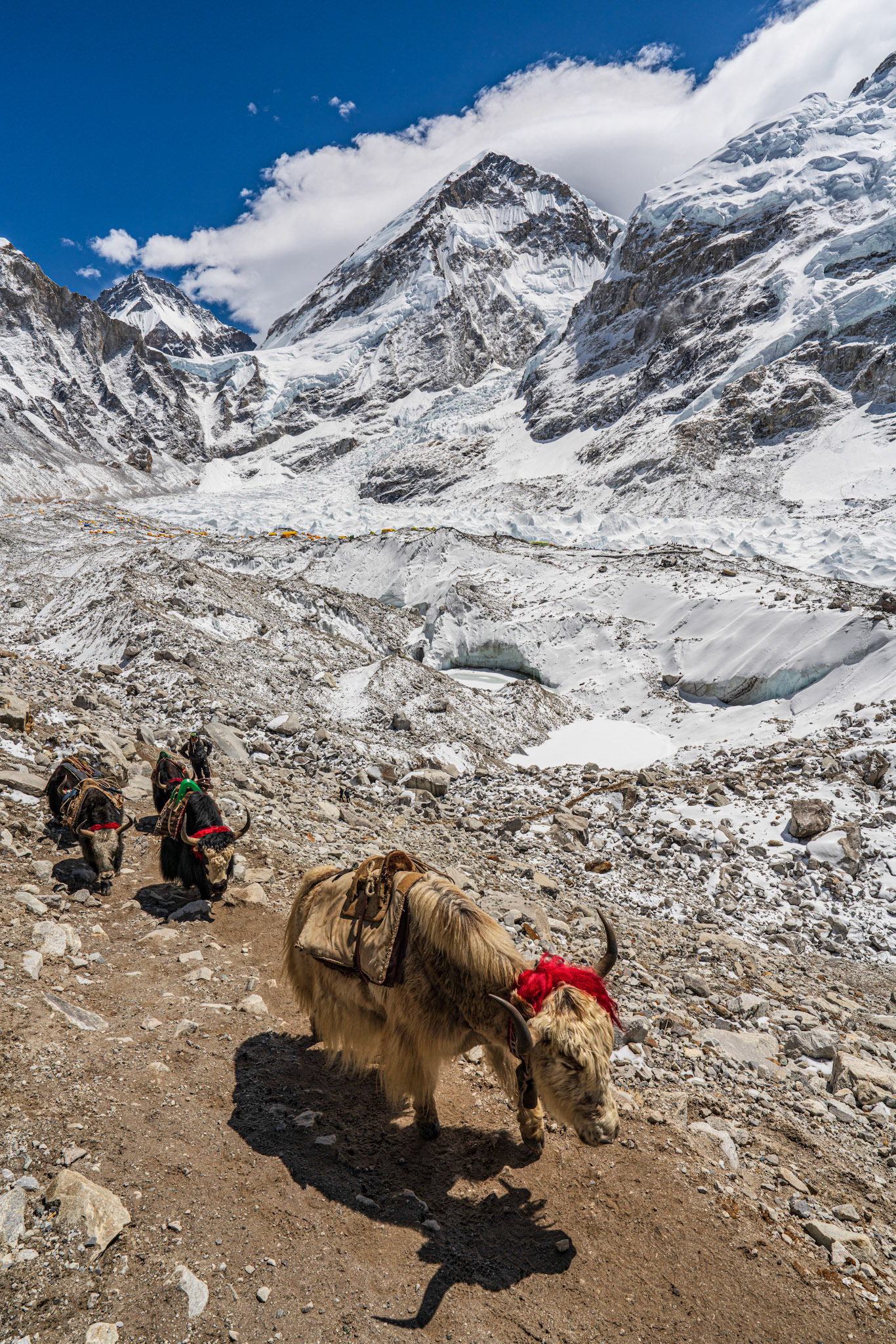
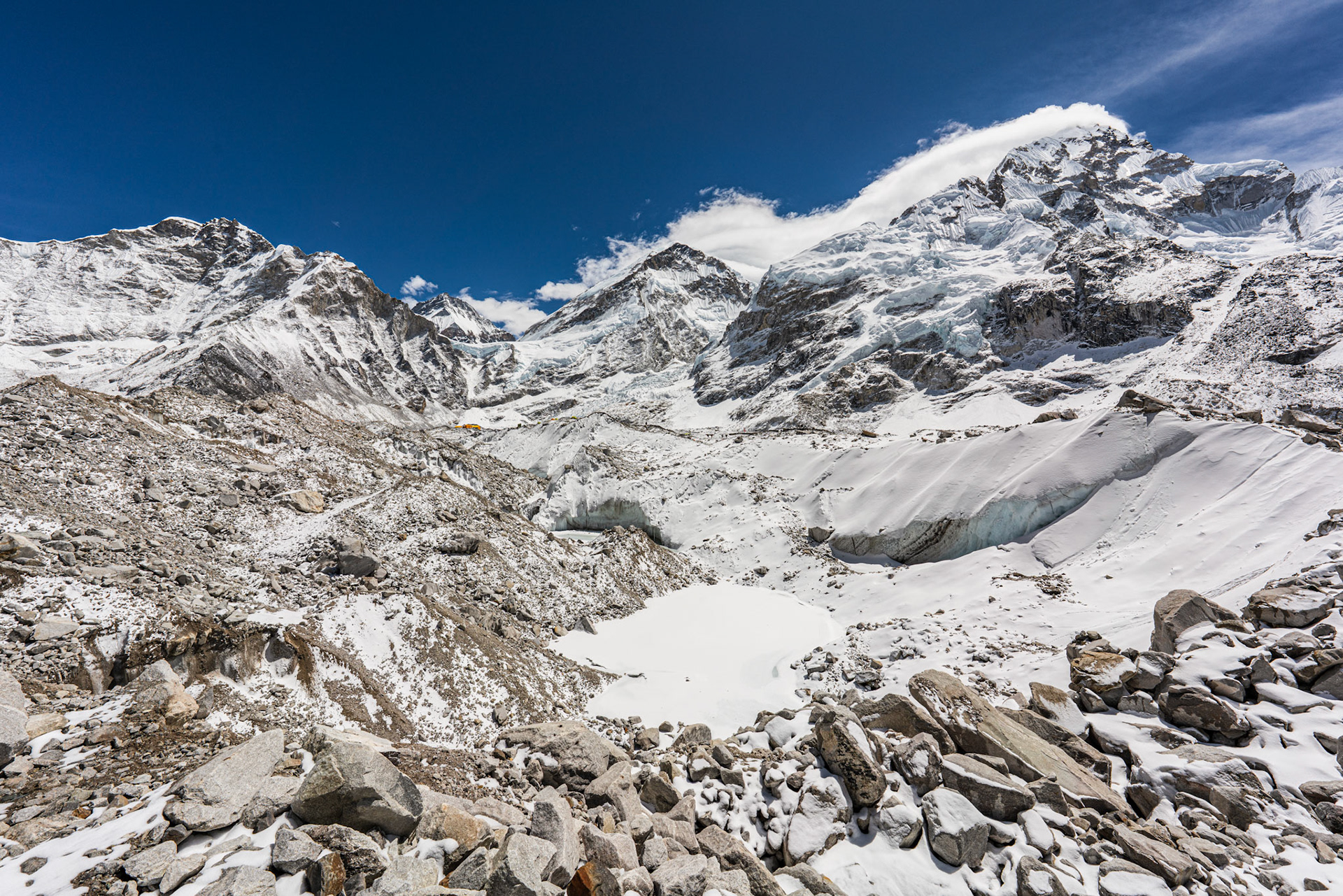
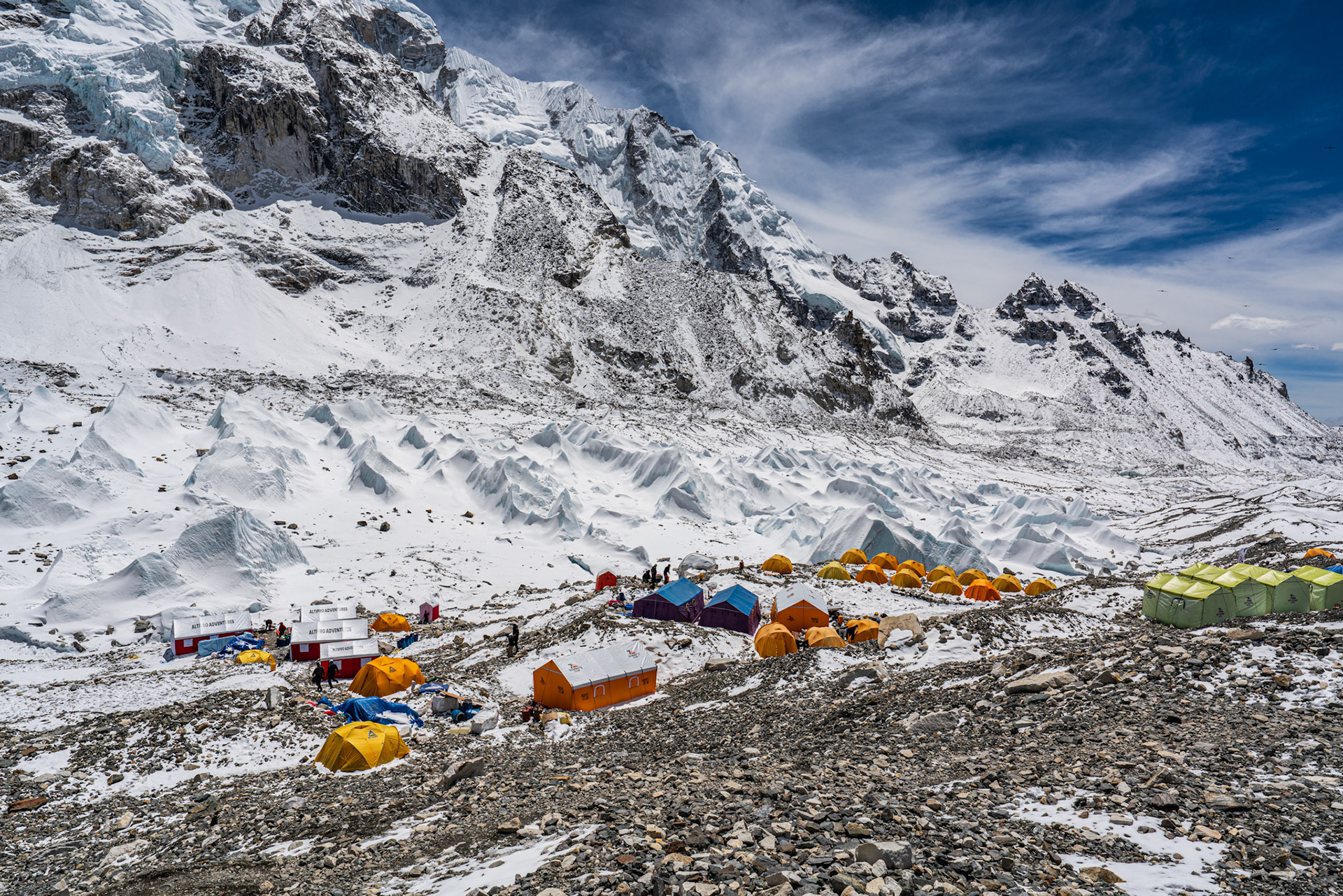
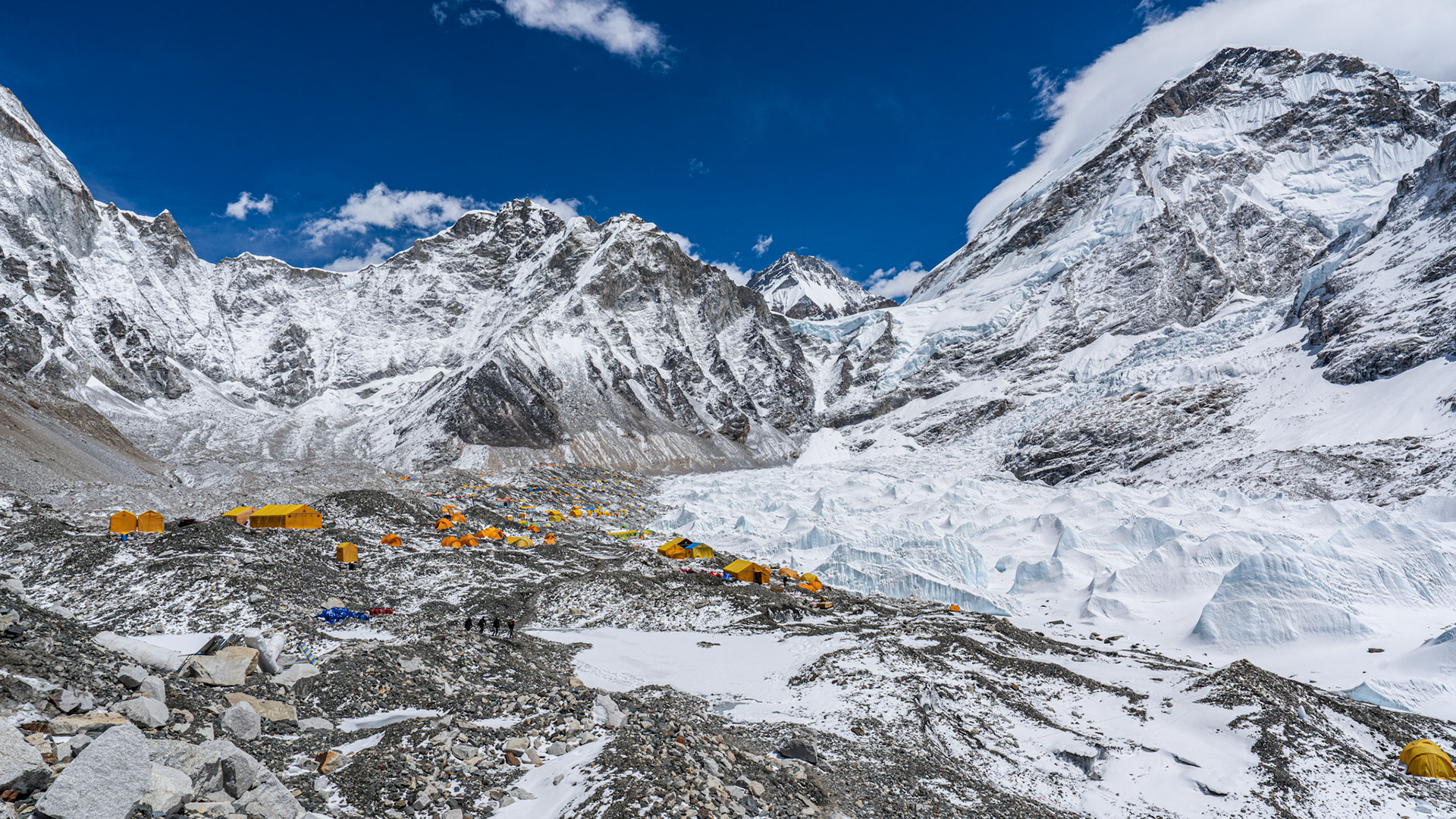
The trek from Gorak Shep to Everest Base Camp is one of the most iconic sections of the entire journey. The trail leads across rocky glacial terrain beside the Khumbu Glacier, with dramatic views of ice formations, surrounding peaks, and the raw high-altitude landscape of the Himalayas.
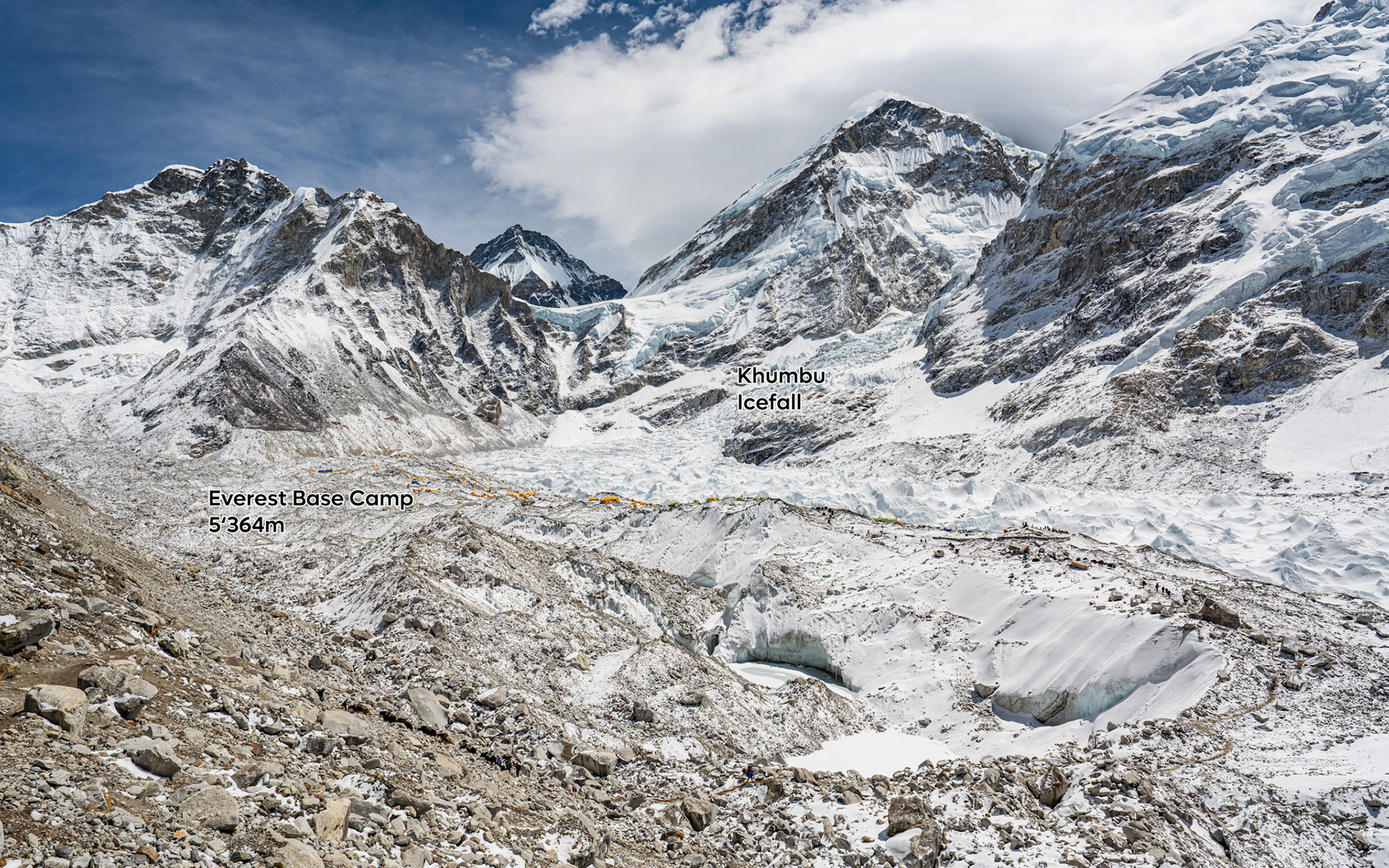
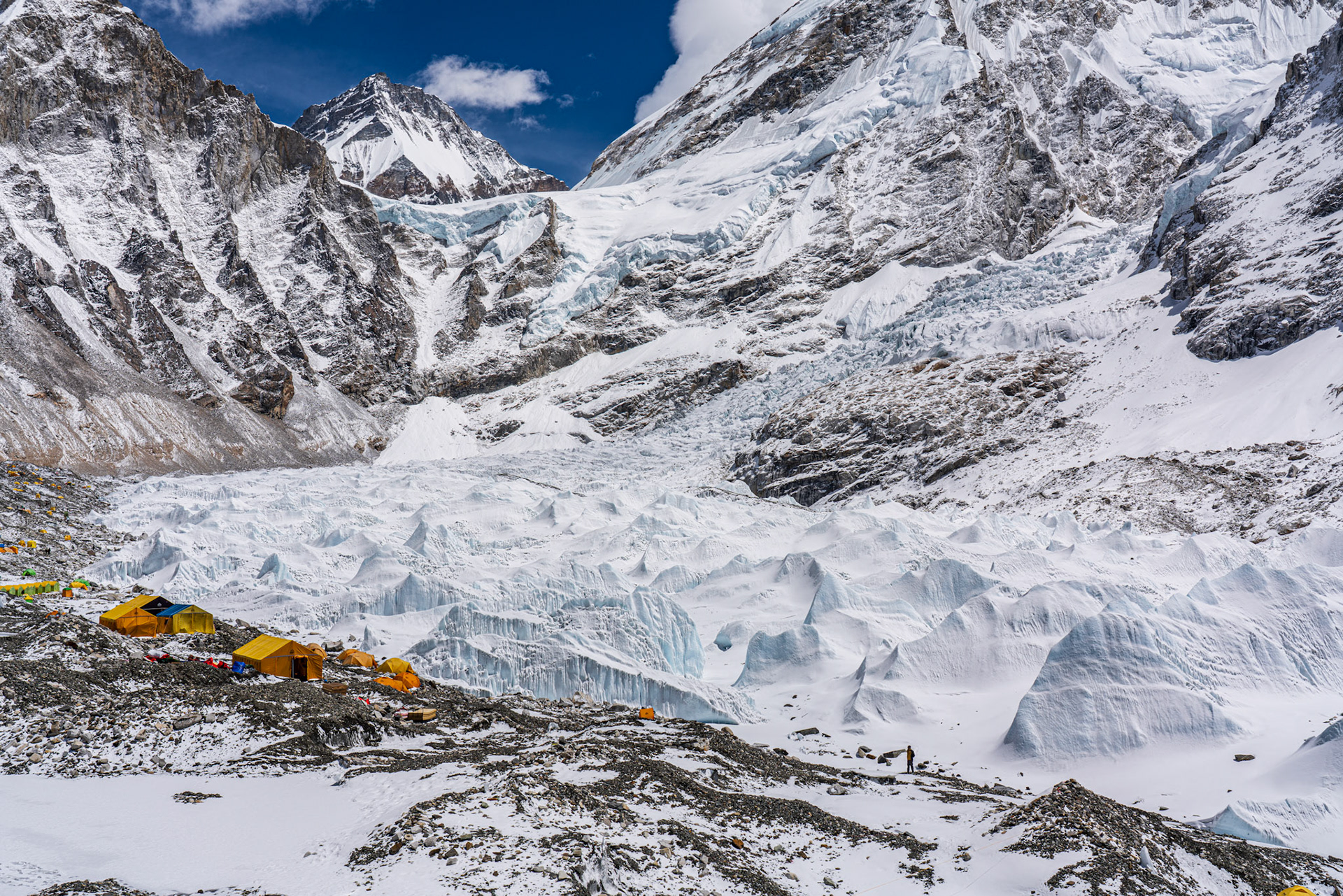
Reaching Everest Base Camp at around 5'364 meters is an unforgettable moment and the symbolic goal of the trek. While Mount Everest itself is not fully visible from Base Camp, the atmosphere is unique, surrounded by expedition tents during climbing season, towering ice walls, and the legendary Khumbu Icefall, where climbers begin their ascent toward the summit.

Kala Patthar: The Classic Everest Viewpoint
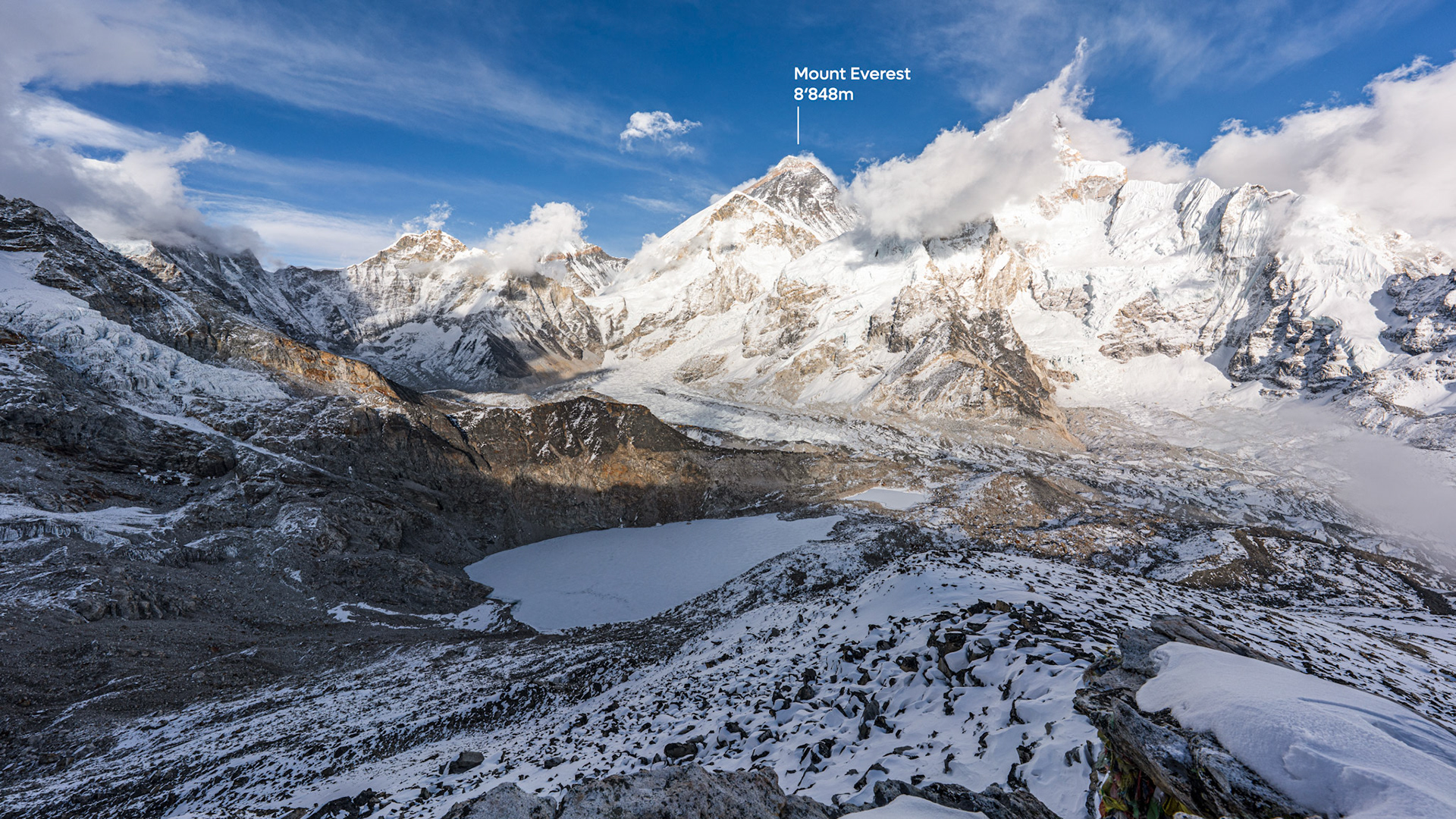
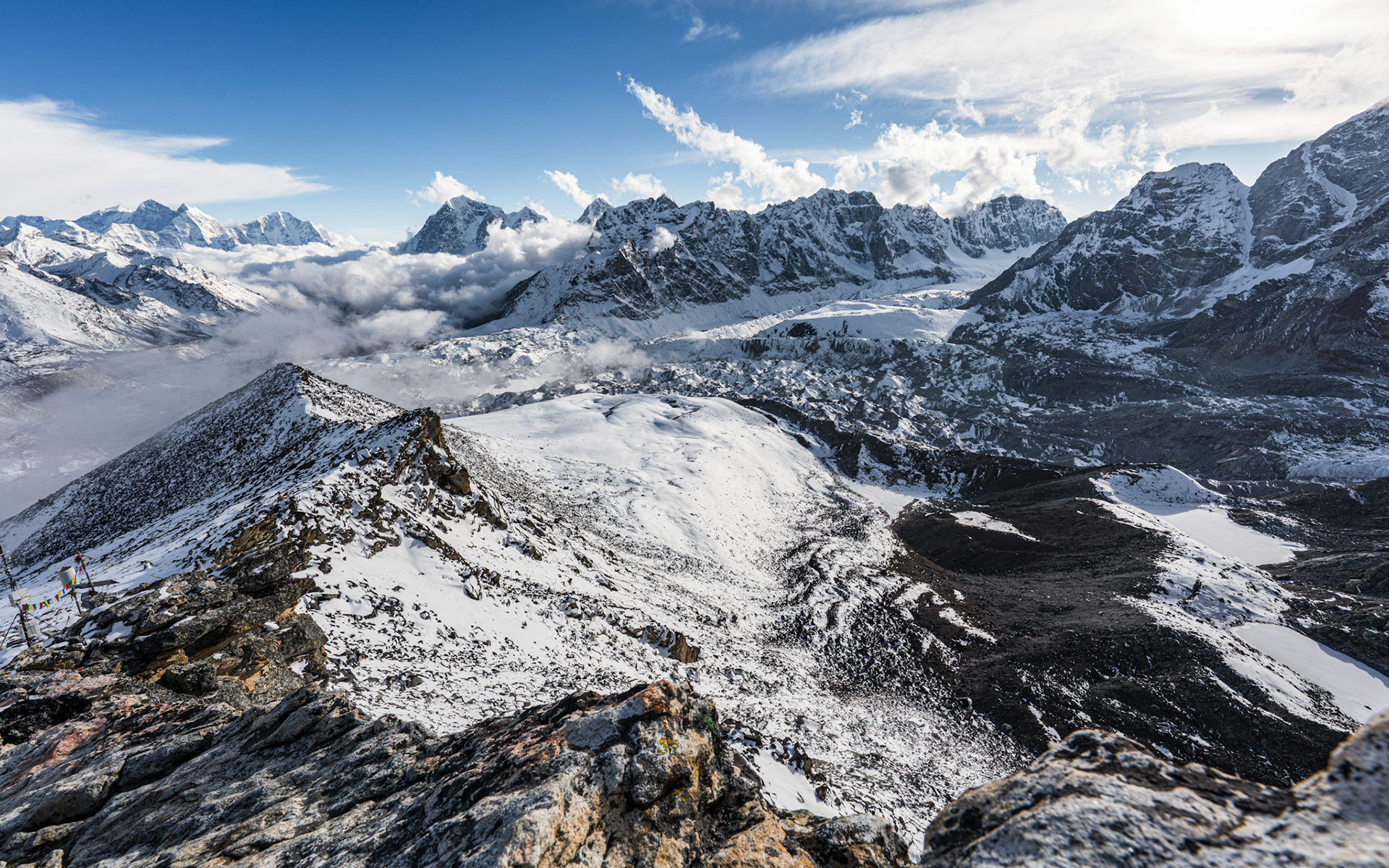
Kala Patthar is one of the most famous viewpoints in the Everest region and a major highlight after reaching Everest Base Camp. Starting from Gorak Shep, the steep climb leads to around 5'545 meters, where the landscape opens into one of the most breathtaking panoramas in the Himalayas.
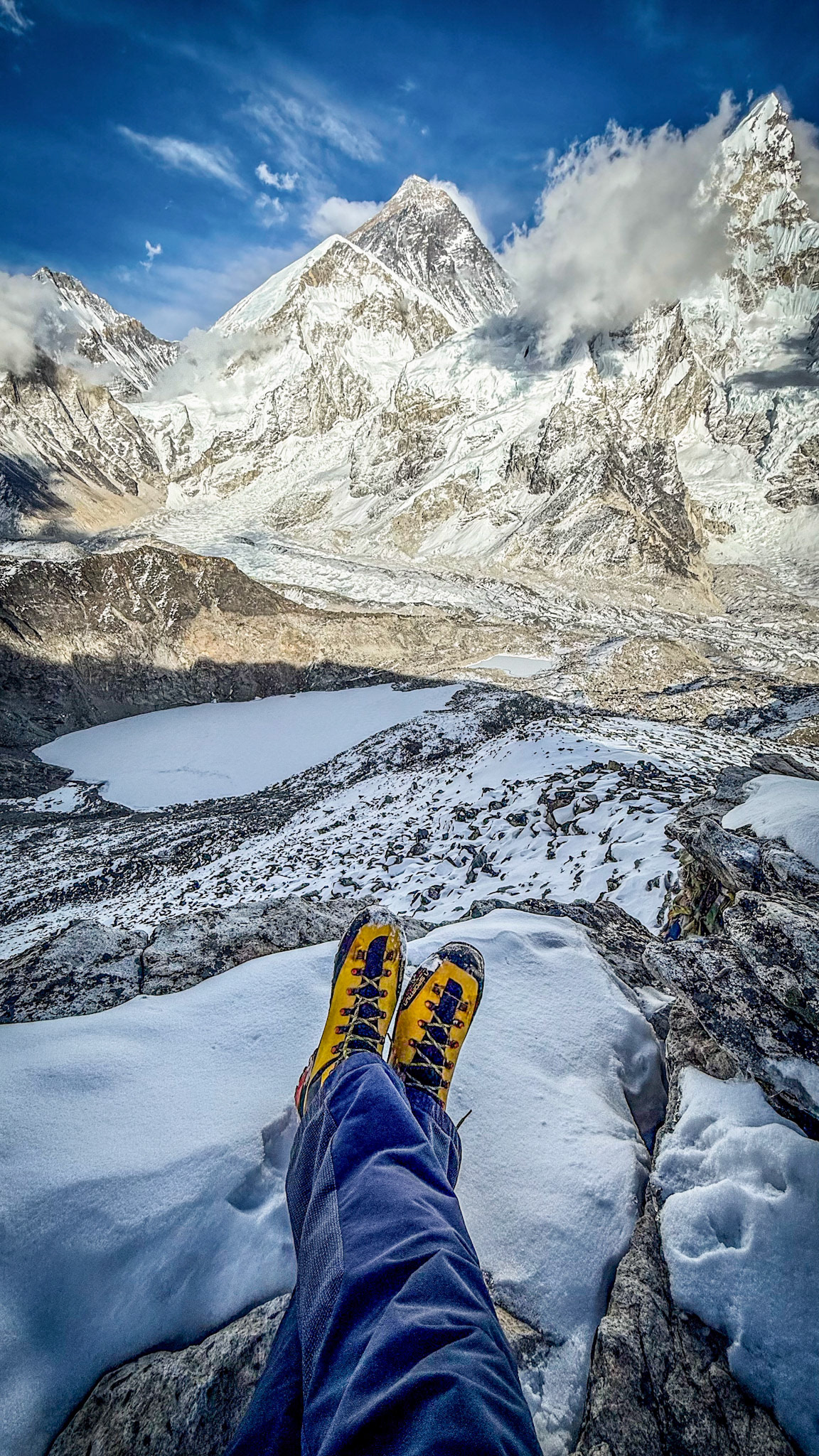
Unlike Everest Base Camp, Kala Patthar offers a clear and iconic view of Mount Everest, including its summit pyramid, together with Lhotse, Nuptse, Pumori, and the surrounding peaks. Especially at sunrise or sunset, the view is unforgettable, with golden light touching the highest mountains on Earth.
The Way Down: Walking Trail or Helicopter Return
After reaching Everest Base Camp and Kala Patthar, the classic way down follows the trekking route back through the Khumbu Valley. Walking down allows more time to enjoy the villages, monasteries, suspension bridges, and changing landscapes at a slower pace. It is the traditional ending of the journey and gives the trek a strong sense of completion.
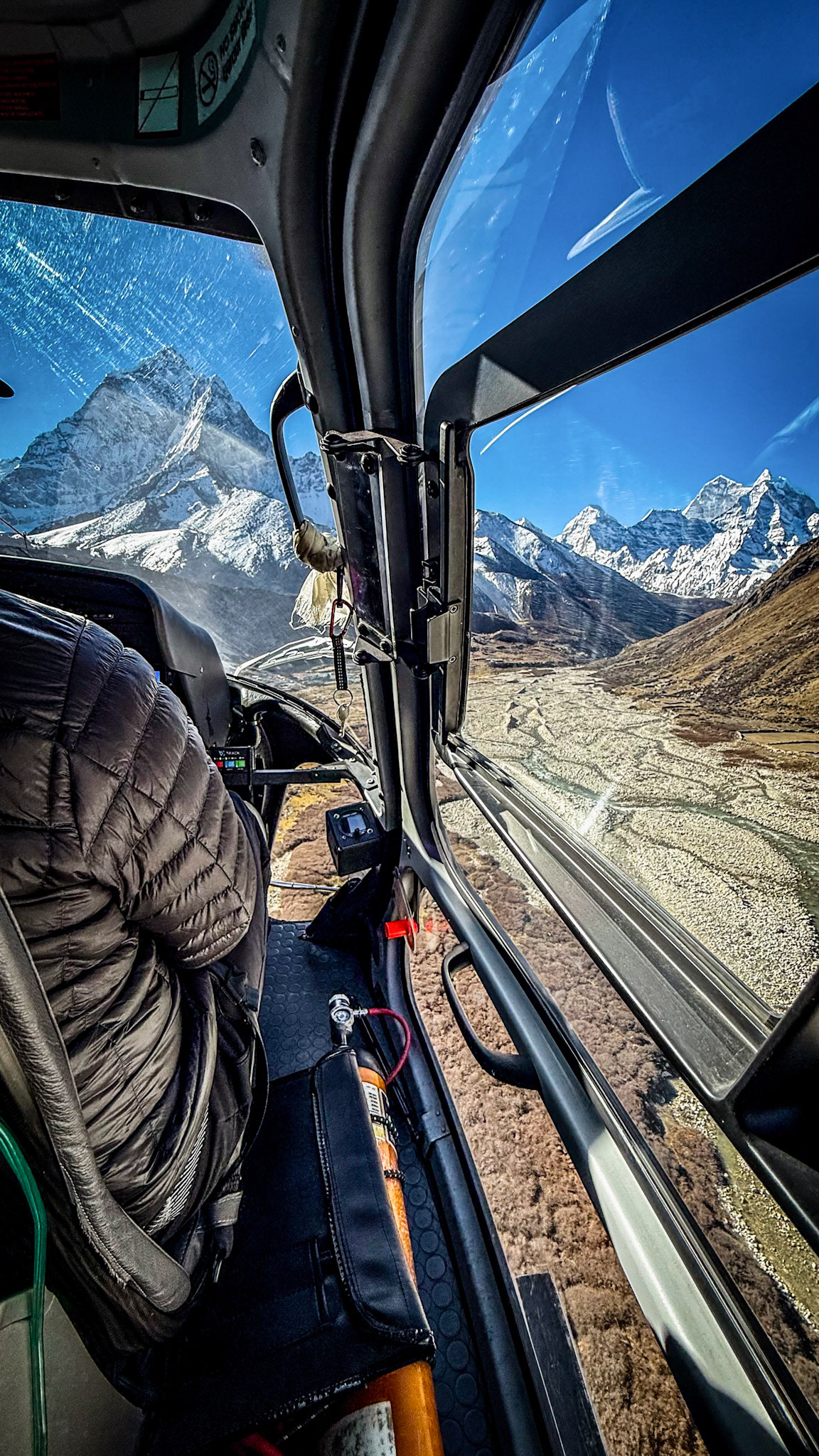
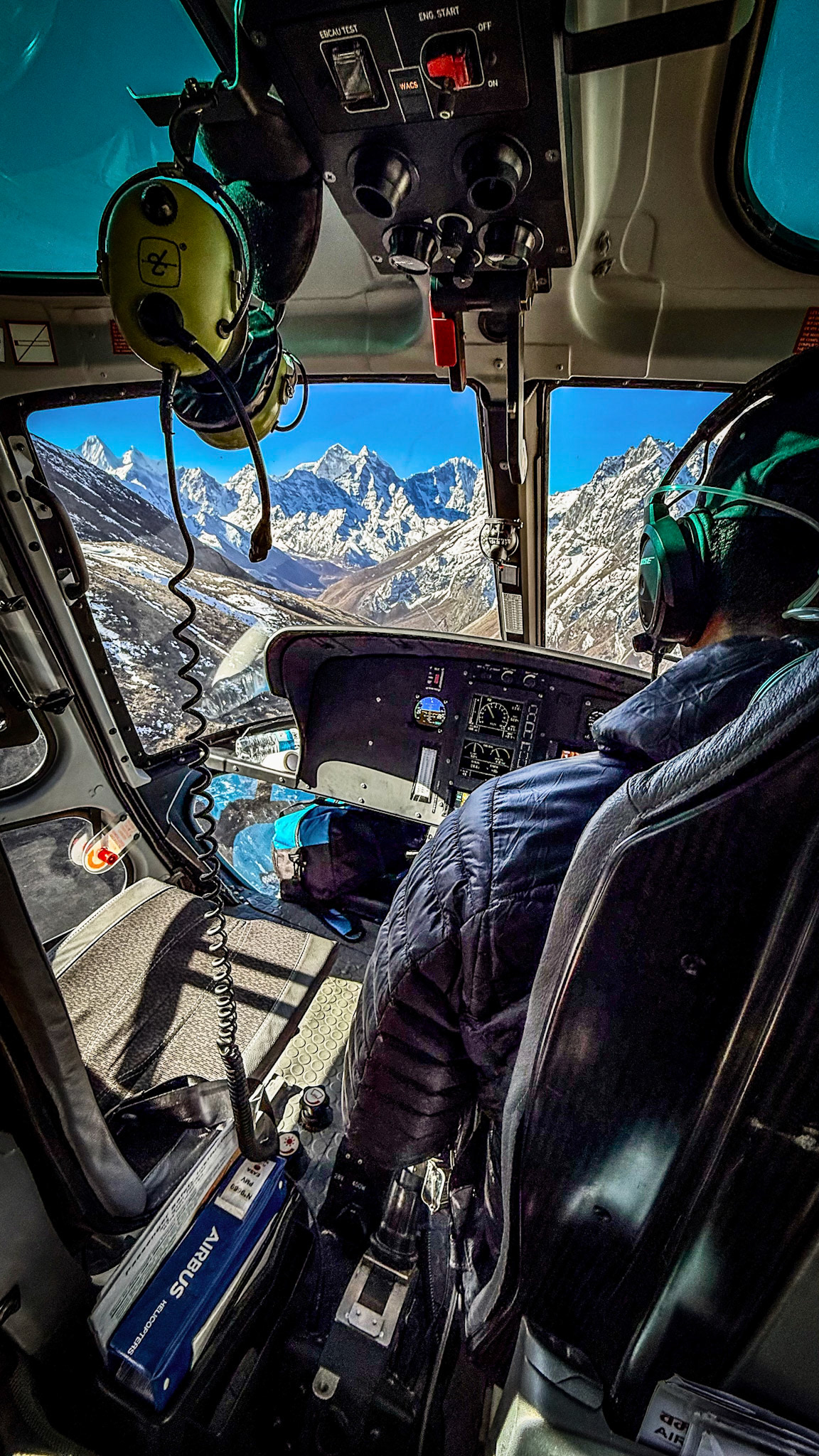
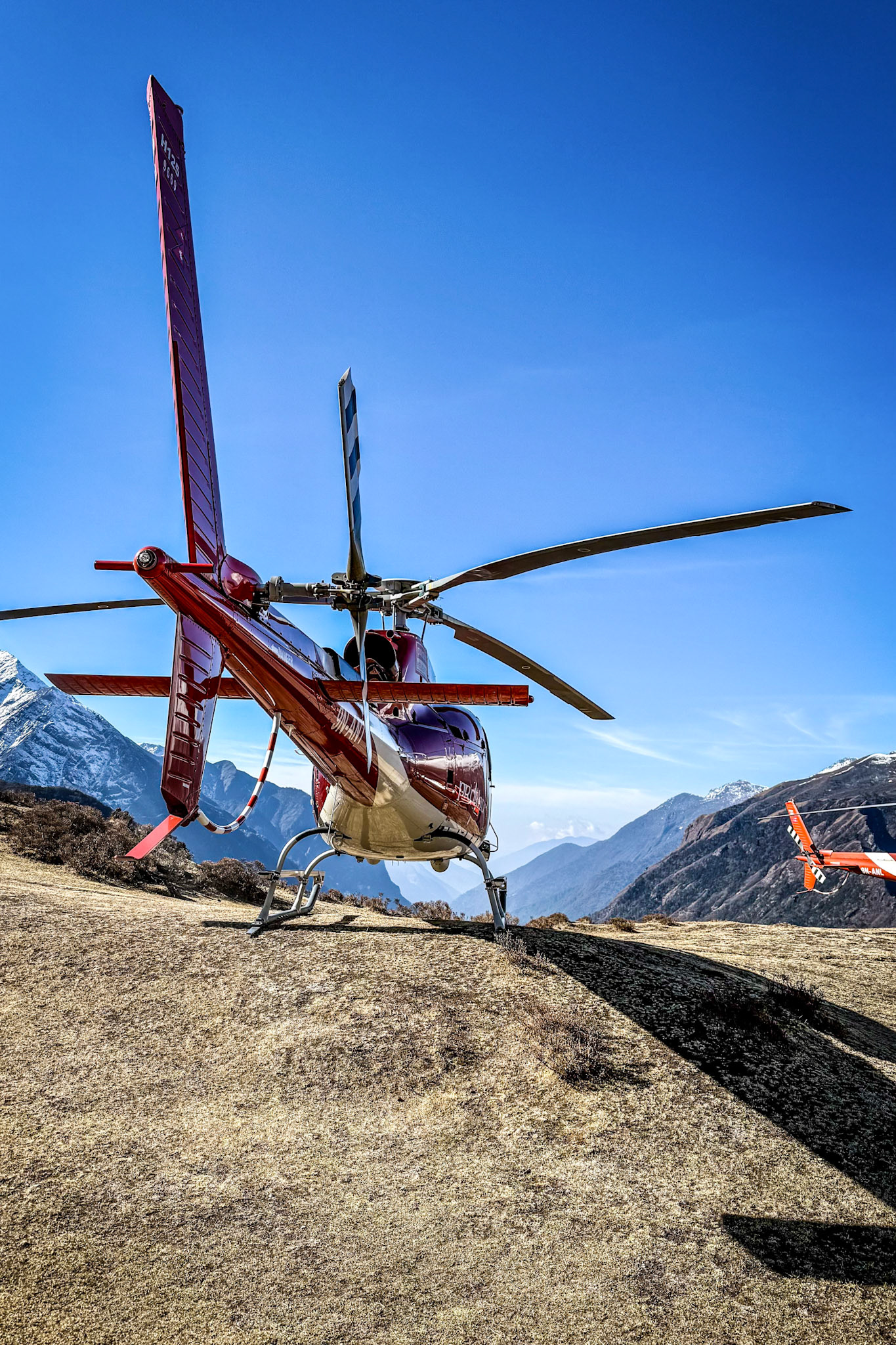
For those looking for a faster and more spectacular return, a helicopter flight offers a completely different perspective. Flying above glaciers, valleys, and Himalayan peaks provides unforgettable aerial views of the Everest region and saves several days of walking. Whether returning on foot or by helicopter, the descent marks the end of an extraordinary adventure through one of the world’s most impressive mountain landscapes.